Why Japan Has One of the World’s Lowest Diabetes Rates Despite Eating So Much Rice — The Surprising Habit Everyone Can Learn From
Rice is a staple food in many Asian countries, yet Japan stands out for a remarkable reason: its population consumes rice frequently but has one of the lowest diabetes rates in the world. This paradox has intrigued global nutrition experts for years.
Recent analyses of Japanese eating habits reveal that it isn’t rice that protects them — it’s how they eat it. Their unique strategies not only prevent spikes in blood sugar but also support long-term metabolic health.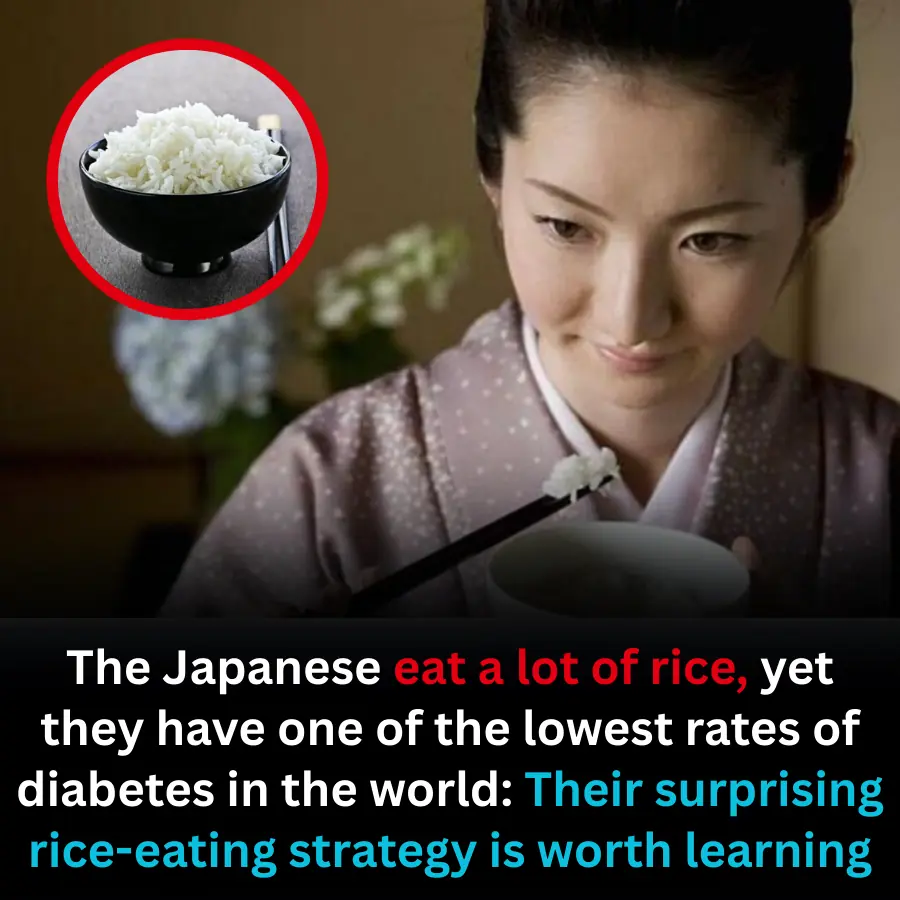
1. They Always Pair Rice With High-Fiber, High-Protein Sides
A typical Japanese meal rarely consists of rice alone. It is always accompanied by:
-
Vegetables (seaweed, pickles, root vegetables)
-
Fish or tofu
-
Miso soup
-
Fermented foods
These additions create a balanced meal that:
-
Slows down carbohydrate absorption
-
Reduces glucose spikes
-
Improves gut microbiome health
The fiber and protein act as a buffer, preventing the rapid rise in blood sugar that usually follows a bowl of white rice.
2. They Prefer Smaller Bowls and Controlled Portions
Portion control plays a crucial role. Instead of eating large plates of rice, Japanese families use small rice bowls, averaging ½ to ⅔ the size of Western portions.
This naturally reduces calorie intake and prevents chronic overeating — two key factors linked to diabetes.
3. They Eat Rice With Low-Glycemic Side Dishes
Many traditional Japanese foods help stabilize blood sugar, such as:
-
Natto (fermented soybeans)
-
Fish rich in omega-3
-
Seaweed (rich in iodine and minerals)
-
Konjac (low-calorie, high in soluble fiber)
These ingredients slow digestion and improve insulin sensitivity.
4. Their Meals Are Designed Around “Hara Hachi Bu”
“Hara Hachi Bu,” a traditional Japanese philosophy, means “eat until you are 80% full.”
This practice significantly reduces the risk of metabolic disorders by:
-
Preventing overeating
-
Supporting healthy weight maintenance
-
Reducing insulin resistance
5. They Stay Active All Day
Even though rice is a carbohydrate-rich food, the Japanese lifestyle balances it out:
-
Frequent walking
-
Cycling
-
Standing more than sitting
-
Household chores
-
Active commuting
This steady, low-intensity activity helps the body burn glucose efficiently and improves insulin function.
The Real Secret: Rice Isn’t the Enemy — Blood Sugar Spikes Are
According to global nutrition experts, the Japanese diet demonstrates a powerful truth:
Carbs aren’t dangerous when paired correctly.
Unbalanced meals are.
When rice is eaten:
-
In small portions
-
With vegetables and protein
-
Alongside fermented foods
-
As part of an active lifestyle
…it does not lead to diabetes — it can even support a healthier metabolism.
What You Can Learn From the Japanese Way of Eating Rice
-
Eat vegetables and protein before rice
This lowers the glycemic response. -
Use a smaller bowl
Reduce quantity without feeling deprived. -
Add fermented foods
They support gut health and improve glucose control. -
Walk 10–15 minutes after meals
A simple action that dramatically reduces blood sugar spikes. -
Avoid eating rice alone
Always pair it with fiber-rich dishes.