A steaming cup of green tea fills the frame, glowing a soft jade color—exactly the kind of image that fuels “miracle food” headlines. The message on the graphic is tempting: eight foods may help protect against cancer. It’s an appealing idea, because it suggests a simple shortcut to a complex problem.
But cancer prevention doesn’t work like a magic list. No food can “destroy” cancer cells in the human body on its own, and no diet replaces screening, medical care, or proven treatments. Still, decades of research do point to an important takeaway: overall dietary patterns—especially diets rich in plants and fiber—are linked with lower cancer risk, while certain habits (like frequent processed meat intake) raise risk.
With that grounded perspective, here are eight foods that researchers often discuss for their potential protective roles, plus realistic ways to include them.
1) Green tea
Green tea is rich in catechins (like EGCG), compounds that show anti-cancer activity in lab studies. Human evidence, however, is mixed—some reviews conclude the data are inconsistent and not strong enough to recommend green tea specifically as cancer prevention.
How to use it: Enjoy it as an unsweetened beverage swap (instead of sugary drinks). Think of it as a healthy habit, not a cure.
2) Cruciferous vegetables (broccoli, cabbage, kale)
These vegetables contain glucosinolates, which break down into compounds like sulforaphane. Observational research often links higher cruciferous intake with lower risk of certain cancers, and they’re strongly aligned with evidence-based prevention guidelines emphasizing vegetables.
How to use it: Aim for a few servings per week—steamed, stir-fried, roasted, or in soups.
3) Beans and lentils (legumes)
Legumes deliver fiber, resistant starch, and micronutrients that support gut health. Major prevention bodies consistently recommend diets including beans and pulses as part of a plant-forward pattern associated with lower cancer risk.
How to use it: Add lentils to soups, chickpeas to salads, or beans to tacos and rice bowls.
4) Whole grains (oats, brown rice, whole wheat)
Whole grains are a major fiber source. Higher fiber intake is repeatedly associated with better metabolic and gut outcomes, and whole grains are central to cancer-prevention dietary recommendations.
How to use it: Swap refined grains for whole grains one meal at a time (oats for breakfast, brown rice or quinoa at dinner).
5) Berries (blueberries, strawberries)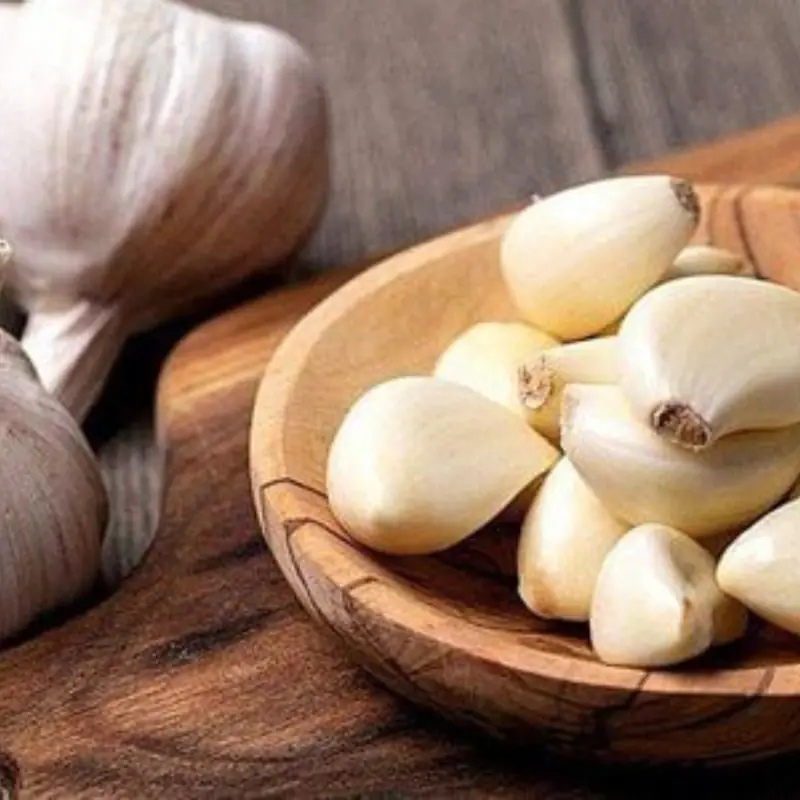
Berries are rich in polyphenols and vitamin C. While human cancer-prevention evidence varies by cancer type and study design, berries are a low-calorie way to increase fruit intake—another consistent recommendation in cancer-prevention guidance.
How to use it: Add to yogurt, oatmeal, smoothies, or snack bowls.
6) Tomatoes (especially cooked)
Tomatoes contain lycopene, an antioxidant that becomes more bioavailable when cooked with a little fat. Research has explored links between lycopene-rich diets and lower risk in some cancers, though results are not universal.
How to use it: Try tomato-based sauces, soups, or roasted tomatoes with olive oil.
7) Garlic and onions (allium vegetables)
Allium vegetables contain sulfur compounds that have shown anti-cancer effects in lab and some population studies. Like many nutrition findings, they’re best viewed as part of a broader healthy pattern rather than a standalone shield.
How to use it: Cook with garlic and onions regularly—easy, flavorful, and budget-friendly.
8) Nuts and seeds (walnuts, almonds, pumpkin seeds)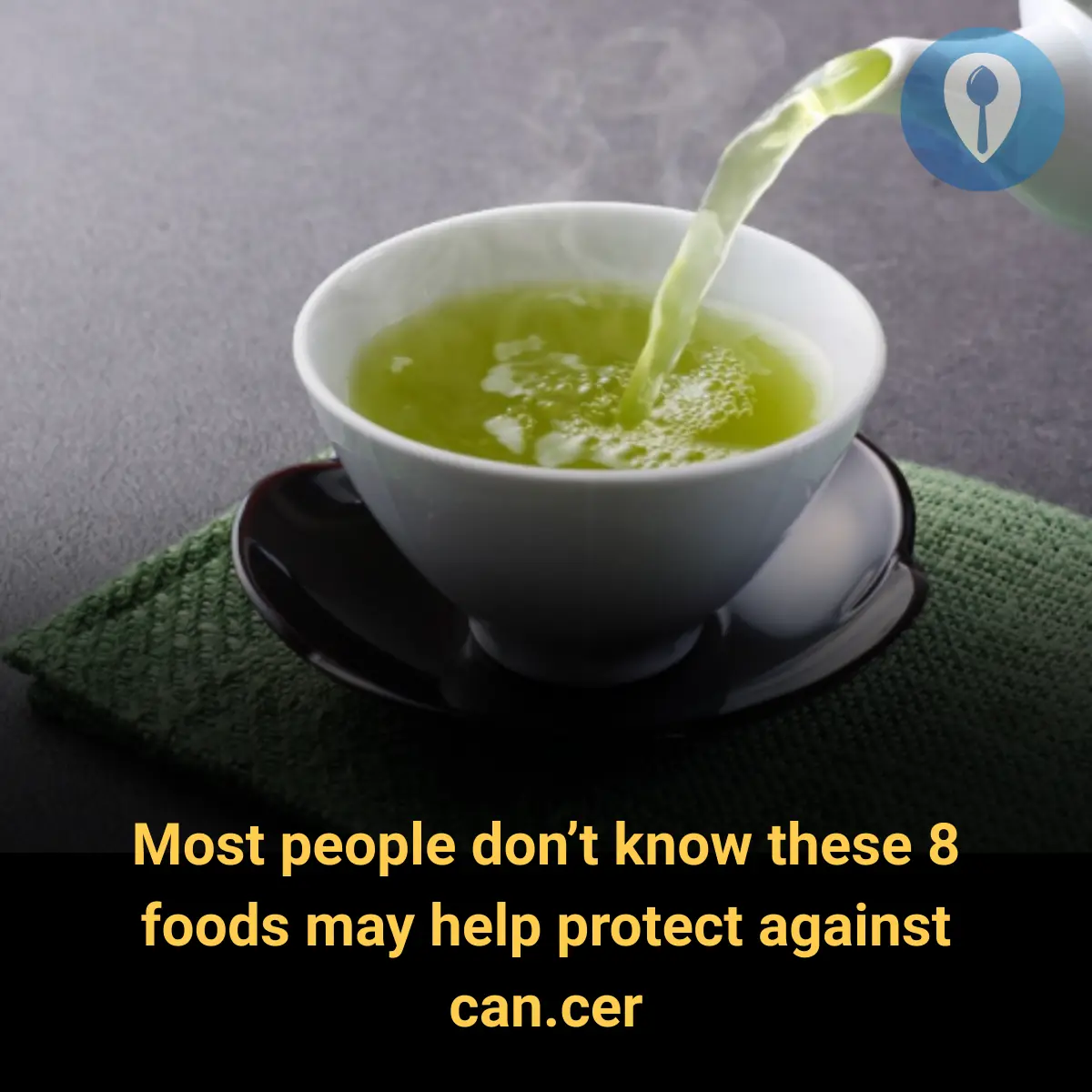
Nuts and seeds provide healthy fats, fiber, minerals, and phytochemicals. In dietary guidelines, they often appear as a recommended protein/fat source in a balanced eating pattern associated with better long-term health outcomes.
How to use it: Keep portions moderate (a small handful), choose unsalted when possible, and use as toppings for salads and oatmeal.
The bigger truth: what matters more than any “top 8” list
If your goal is real risk reduction, the strongest evidence supports habits like:
-
Eating mostly plant-based foods (whole grains, vegetables, fruits, beans)
-
Maintaining a healthy weight and staying active
-
Limiting processed meat, which is classified as carcinogenic to humans (Group 1) for colorectal cancer
-
Limiting or avoiding alcohol (a known risk factor in multiple cancers)