Reminder: If You See These 5 Signs When Buying Shrimp, Don’t Bring Them Home!
If you buy and eat the 5 types of shrimp listed below, you are putting yourself and your family at risk, leading to both "wasted money and health problems."
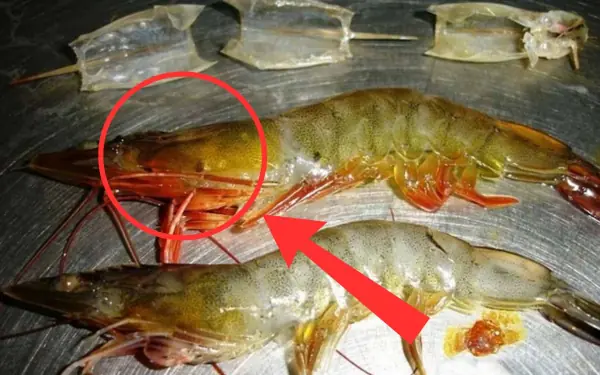
Shrimp is a highly nutritious food that frequently appears in meals for most families. With high levels of protein, vitamins, and essential minerals like calcium, phosphorus, and iron, shrimp not only supports physical development but also enhances health and beauty. However, these benefits are only present when you choose fresh, high-quality shrimp. If you’re not careful and buy poor-quality shrimp, it could affect your meal and put your health at risk.
Here are 5 signs you should avoid when buying shrimp, as they could lead to negative impacts on your body:
- Straight, Rigid Shrimp
Fresh shrimp usually have a naturally curved body due to muscle contraction, especially when they are still alive or properly stored. If you find shrimp with a straight and stiff body, it’s likely they have been dead for a long time or frozen for an extended period.
The flavor of such shrimp won’t be delicious, and they will lose much of their nutritional value. Fresh shrimp are rich in histidine, but when dead, histidine breaks down into histamine, which is harmful. Particularly, spoiled or dead shrimp provide an ideal environment for bacteria to grow, such as Vibrio, which can cause food poisoning. Symptoms like stomach pain, diarrhea, or vomiting can occur after consuming this type of shrimp.
- Unusual Color of Shrimp
Fresh shrimp typically have a natural grayish-blue color or a slight translucence. If you see shrimp that are pale white, brown, red, black, or have any unusual colors, it’s best not to buy them.
This is a sign that the shrimp have spoiled or were improperly stored. As shrimp begin to decompose, not only does the quality of the meat deteriorate, but toxins are also produced, which can harm your digestive system and potentially lead to gastritis or food poisoning. The shrimp may have been treated with preservatives, genetically modified, raised in unsafe environments, or infected with diseases.
- Strange Odor of Shrimp
Fresh shrimp, whether alive or dead, usually only have a mild, characteristic seafood smell. If you notice a sour, foul, or chemical-like smell, it’s a clear indication that the shrimp are no longer safe to consume.
These shrimp might have been soaked in preservatives or bleach to extend shelf life. Accumulated chemicals can harm the liver, kidneys, and even weaken the immune system. In less severe cases, the unpleasant odor comes from shrimp that are deteriorating, reducing their nutritional value and making them unappetizing, so it’s best not to buy them.
- Shrimp with Broken Heads or Legs
When buying shrimp at the market, make sure to check whether the head is still attached to the body. A healthy, fresh shrimp will have its head firmly attached, whereas if the head is detached, it means the shrimp has been dead for a long time and the flesh has already deteriorated. Similarly, if the shrimp has lost all its legs or the legs are black, it’s another sign the shrimp has been dead for an extended period.
Eating such shrimp increases your risk of consuming bacteria and harmful substances from decomposition. Additionally, shrimp that have lost body parts like heads or legs lose moisture quickly, causing the meat to dry out and become less tasty.
- Slimy Shell or Overly Soft Meat
Fresh shrimp have smooth, shiny shells and firm meat. If the shrimp have a slimy, sticky shell or the meat is too soft and mushy, it’s a sign they have spoiled. The slime on the shell not only diminishes the appetizing feel but also creates a perfect breeding ground for harmful bacteria, including those that cause food poisoning like Salmonella or Vibrio.
Eating such shrimp can cause digestive discomfort and potentially lead to stomach-related illnesses, especially in children or people with weakened immune systems. In severe cases, it can lead to food poisoning or intestinal infections. Additionally, shrimp with slimy shells or soft meat (not molted shrimp) lack appealing flavor.
When buying shrimp, be mindful of the selection process. Prefer live shrimp over frozen ones. Carefully observe the color, shape, smell, and texture of the shrimp. Be sure to read the information on the packaging or ask the seller about the shrimp's origin.