Vegetables are widely considered essential for a healthy diet. They provide vitamins, fiber, and plant-based nutrients that support the body’s immune system and long-term wellness. However, experts warn that not all vegetables are safe if they are improperly stored, processed, or already spoiled.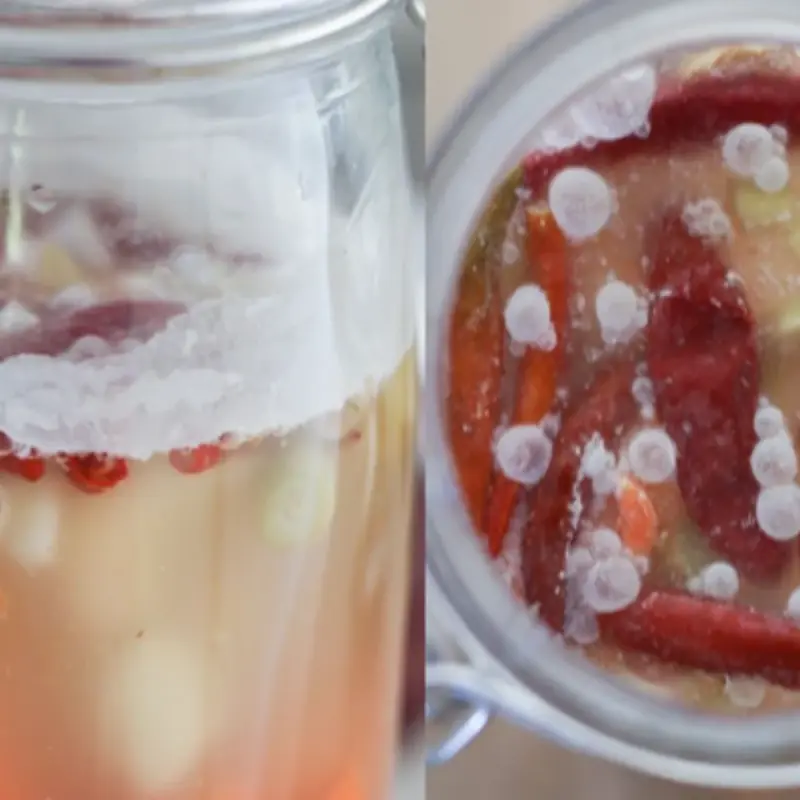
Recent discussions online and in health communities have raised alarm about certain vegetables that are still commonly consumed despite being flagged for potential health risks, including concerns connected to foodborne toxins and contamination.
The image circulating with the warning message shows a jar of preserved vegetables with visible cloudiness and possible bacterial or mold growth—an example of how everyday foods may become dangerous under unsafe conditions.
What Does “Flagged for Possible Cancer Risks” Really Mean?
Medical experts emphasize that vegetables themselves are not inherently “cancer-causing.” In fact, most vegetables are associated with lower cancer risk when eaten fresh and prepared safely.
However, certain conditions may lead to the formation of harmful compounds, such as:
-
Mold toxins (mycotoxins) that may appear in spoiled produce
-
Nitrosamines, which can form in heavily preserved or pickled foods under certain conditions
-
Pesticide residue if vegetables are not washed properly
-
Bacterial contamination, especially in homemade fermented products
These factors do not mean vegetables automatically cause cancer—but they can increase health risks over time, especially if exposure is repeated.
The Role of Mold and Fermentation: A Hidden Danger in Preserved Foods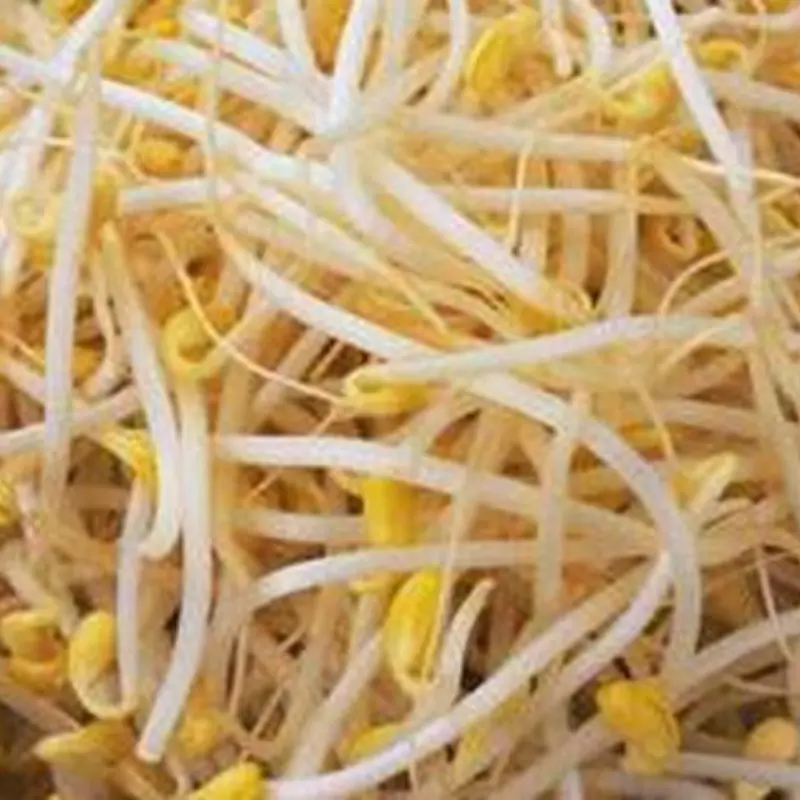
The photo appears to show vegetables stored in a sealed container with signs of cloudiness and white spots—conditions that may indicate mold growth or harmful fermentation.
Food safety specialists explain that mold is not always harmless. Some molds can produce toxins that cannot be fully removed by simply rinsing, scraping, or heating. When contaminated foods are eaten repeatedly, long-term exposure may raise health concerns.
Homemade pickled vegetables, fermented jars, or stored leftovers can become risky when:
-
the container is not sterilized
-
the salt-to-water ratio is incorrect
-
the food is left at room temperature too long
-
the mixture is sealed without proper fermentation knowledge
Even if the smell seems acceptable, dangerous bacteria or toxins may still be present.
Vegetables That Often Face Safety Warnings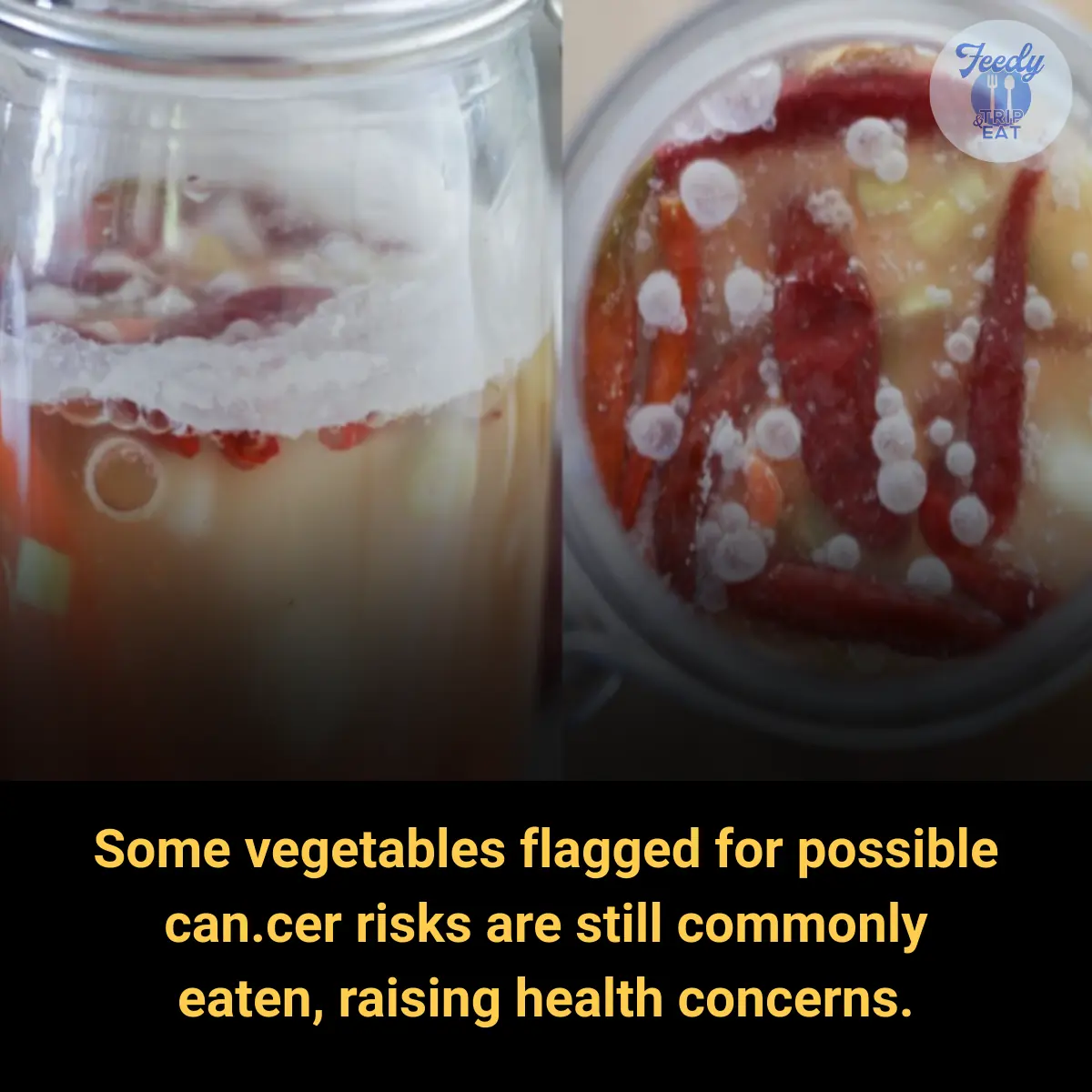
Certain vegetables are more likely to develop spoilage problems if stored incorrectly. These include:
1) Pickled or salted vegetables
Improper preservation may lead to high levels of harmful byproducts.
2) Sprouts (mung bean sprouts, alfalfa sprouts)
Because they grow in warm, moist environments, sprouts are more vulnerable to bacterial contamination if hygiene is poor.
3) Leafy greens stored too long
Greens that are wet or bruised can spoil quickly and develop harmful microbes.
4) Vegetables with visible mold or soft rot
Even a small area of mold may suggest deeper contamination.
Experts stress that the warning is not about avoiding vegetables, but about avoiding spoiled or unsafe versions of them.
Why Many People Still Eat Them
Despite health warnings, many households continue eating these foods for several reasons:
-
Traditional habits (pickled vegetables are common in many cultures)
-
Cost-saving behavior (people don’t want to waste food)
-
Lack of awareness about mold toxins and contamination
-
Misconceptions, such as believing “boiling kills everything”
However, while heat can kill some germs, it may not eliminate certain toxins that have already formed.
How to Reduce Risk: Practical Food Safety Tips
Doctors and food safety experts recommend simple steps to reduce risk:
-
Throw away vegetables that show mold, sliminess, or bad smell
-
Wash produce thoroughly and use clean cutting boards
-
Store vegetables at safe temperatures (refrigerate quickly)
-
Avoid eating pickled/fermented jars that look cloudy, bubbly, or unusual
-
Don’t consume homemade preserved foods if the process was not hygienic
-
Eat a variety of fresh vegetables instead of relying heavily on preserved foods
The safest choice is always fresh, properly washed produce.