Washing Pots and Pans This Way Increases the Risk of Burns and Lung Damage, but Many People Think It's Clean
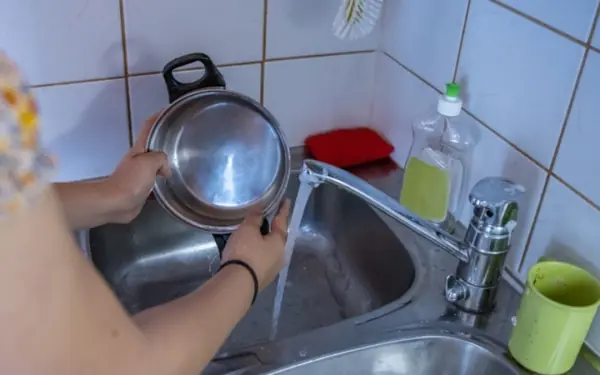
Washing pots and pans is a common daily task, but it turns out that it's easy to make mistakes. One of these mistakes is the habit of pouring cold water or dishwashing liquid directly into a hot pot or pan. Many people think this is harmless, or even that it saves time or helps clean more effectively. However, the truth is the opposite. According to Dr. Tan Dunci (Taiwan, China), this is a dangerous mistake that not only harms health but also affects the longevity of cooking utensils.
The Harm of Pouring Cold Water or Dishwashing Liquid into Hot Pots and Pans
First, Dr. Tan Dunci warns that this habit increases the risk of burns from steam and splattering oil. When cold water is poured into a hot pot or pan, the sudden temperature difference creates a large amount of steam, sometimes accompanied by a small popping sound. This steam can splash out at high temperatures, causing burns to the hands, face, or other areas of the skin. This is particularly dangerous for children if they are near the cooking area.
Second, this method of washing can damage the lungs and the respiratory system in general. The steam released when a hot pot or pan comes into contact with cold water can carry oils, chemicals, or other harmful substances accumulated on the surface of the cookware. According to Dr. Tan Dunci, inhaling this steam for an extended period can irritate the respiratory tract, damage the lungs, and even increase the risk of diseases like pneumonia or allergies. The situation is even more serious if the cookware has recently been used for greasy dishes with various spices.
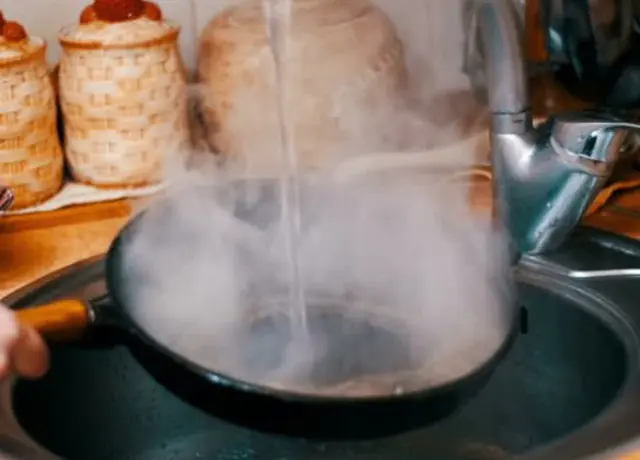
Third, although it may seem cleaner, the habit of pouring cold water or dishwashing liquid directly into a hot pot or pan actually makes it harder to clean. It can cause remaining food or grease to harden on the surface, making cleaning more difficult. Pouring dishwashing liquid directly into a hot pot or pan can lead to the thermal decomposition of chemicals in the dishwashing liquid. Not only does this make cleaning harder, but it also creates harmful substances that could stick to food in future cooking sessions, affecting taste and health in the long run.
Finally, Dr. Tan Dunci explains that the temperature difference between the hot pot and cold water can cause the cookware to warp, crack, or damage the non-stick coating. This not only reduces the lifespan of the cookware but also poses the risk of releasing toxins from the non-stick coating into the food.
How to Safely and Effectively Clean Pots and Pans
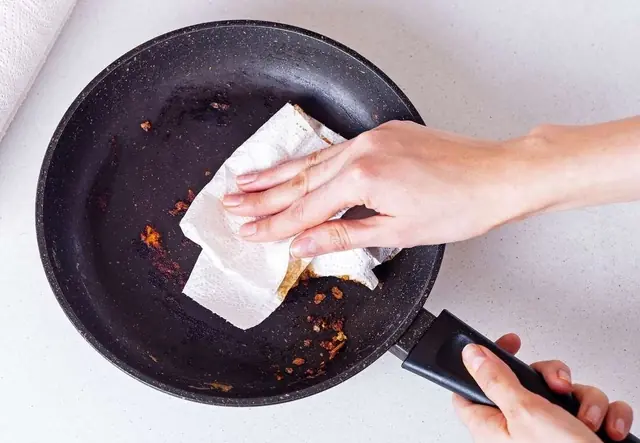
To protect your health and prolong the life of your cookware, you can follow these three steps suggested by Dr. Tan Dunci:
- Wipe the surface of the pot or pan after cooking: Use a kitchen towel to remove excess grease or leftover food before washing.
- Heat some warm water before cleaning: Add a little warm water to the pot and simmer on low heat to soften any stuck-on residue, then rinse under running water.
- Avoid using strong cleaning agents: If necessary, use natural cleaning solutions like vinegar or baking soda to clean without damaging the cookware surface. Avoid using abrasive scrubbing brushes or metal utensils.
Additionally, after washing, make sure to dry the pot or pan thoroughly and store it in a dry, ventilated place!