The idea that certain vegetables are “feared” by cancer cells has become a popular headline across social media. While this phrase is clearly exaggerated, it reflects a real scientific foundation: some vegetables contain powerful compounds that may help protect the body against cellular damage and disease.
However, it’s important to separate fact from fiction. No single food can eliminate cancer, but certain vegetables can support your body’s natural defenses. Let’s explore what these foods are and how they contribute to better health.
Understanding the Claim
The phrase “cancer cells fear” is not a medical term. It typically refers to how certain plant compounds have shown the ability—mainly in laboratory studies—to:
- Slow the growth of abnormal cells
- Promote cell repair mechanisms
- Reduce inflammation and oxidative stress
These effects are promising, but they do not mean that eating these vegetables alone can prevent or cure cancer.
1. Leafy Green Vegetables: Everyday Protection
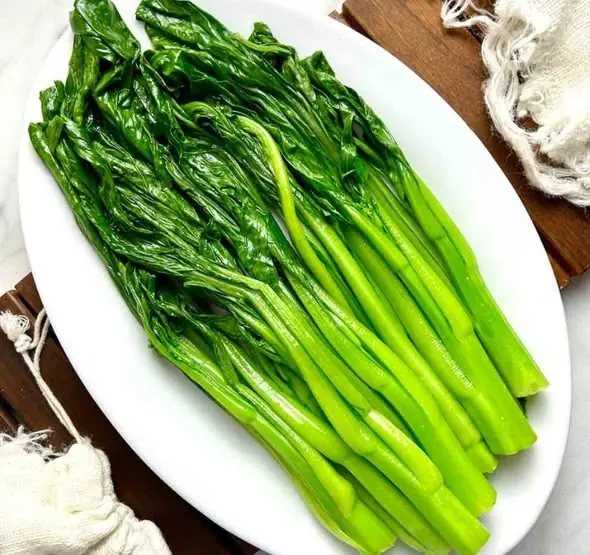
The vegetable shown in the image resembles leafy greens such as Chinese greens (choy sum or similar varieties), which are widely consumed in Asian diets.
Key Nutrients:
- Chlorophyll
- Folate
- Vitamin C and K
- Dietary fiber
Health Benefits:
Leafy greens help support detoxification processes in the body. Chlorophyll may bind to harmful compounds, while fiber aids in eliminating waste through the digestive system.
Studies suggest that diets rich in leafy greens are associated with a reduced risk of certain cancers, particularly those affecting the digestive tract.
2. Cruciferous Vegetables: Natural Defense Boosters
Vegetables like broccoli, cabbage, and kale are known for their cancer-related benefits.
Key Compounds:
- Sulforaphane
- Glucosinolates
How They Work:
These compounds may activate enzymes that help the body detoxify harmful substances. In laboratory studies, sulforaphane has shown the ability to:
- Inhibit the growth of cancer cells
- Promote apoptosis (programmed cell death)
However, these results are mostly observed in controlled environments, not directly in human diets.
3. Colorful Vegetables: Antioxidant Power
Brightly colored vegetables—such as carrots, tomatoes, and peppers—are rich in antioxidants.
Important Nutrients:
- Beta-carotene
- Lycopene
- Flavonoids
Health Impact:
These compounds help neutralize free radicals, which can damage DNA and contribute to cancer development.
For example, lycopene (found in tomatoes) has been studied for its potential role in lowering the risk of prostate cancer.
Why These Vegetables Don’t Lead to Weight Gain
One of the key claims in the headline is that these vegetables “won’t make you fat.” This is generally accurate because:
- They are low in calories
- High in fiber, which increases satiety
- Contain minimal fat
Incorporating them into your meals can support weight management and overall metabolic health.
The Limits of Food-Based Prevention
No “Magic” Foods
Despite the benefits, no vegetable can:
- Completely prevent cancer
- Replace medical treatment
- Act as a cure
Cancer is influenced by many factors, including genetics, lifestyle, and environmental exposure.
The Role of a Balanced Diet
What matters most is not a single food, but a consistent dietary pattern that includes:
- A variety of vegetables
- Whole grains
- Lean proteins
- Healthy fats
Expert Advice
Health professionals recommend:
- Eating at least 5 servings of fruits and vegetables daily
- Including a variety of colors and types
- Avoiding overcooking to preserve nutrients
They also emphasize combining a healthy diet with regular exercise and routine health screenings.
The Danger of Misleading Headlines
Phrases like “cancer cells fear this vegetable” can be misleading. They may:
- Create false expectations
- Oversimplify complex health issues
- Distract from evidence-based medical advice
It’s important to approach such claims critically and rely on scientifically supported information.
Conclusion
While the idea that certain vegetables are “feared” by cancer cells is an exaggeration, the underlying message is valid: vegetables are essential for maintaining health and reducing disease risk.
Leafy greens, cruciferous vegetables, and colorful produce all provide nutrients and compounds that support your body’s natural defenses. They are low in calories, rich in fiber, and beneficial for long-term wellness.