1. What is snoring?
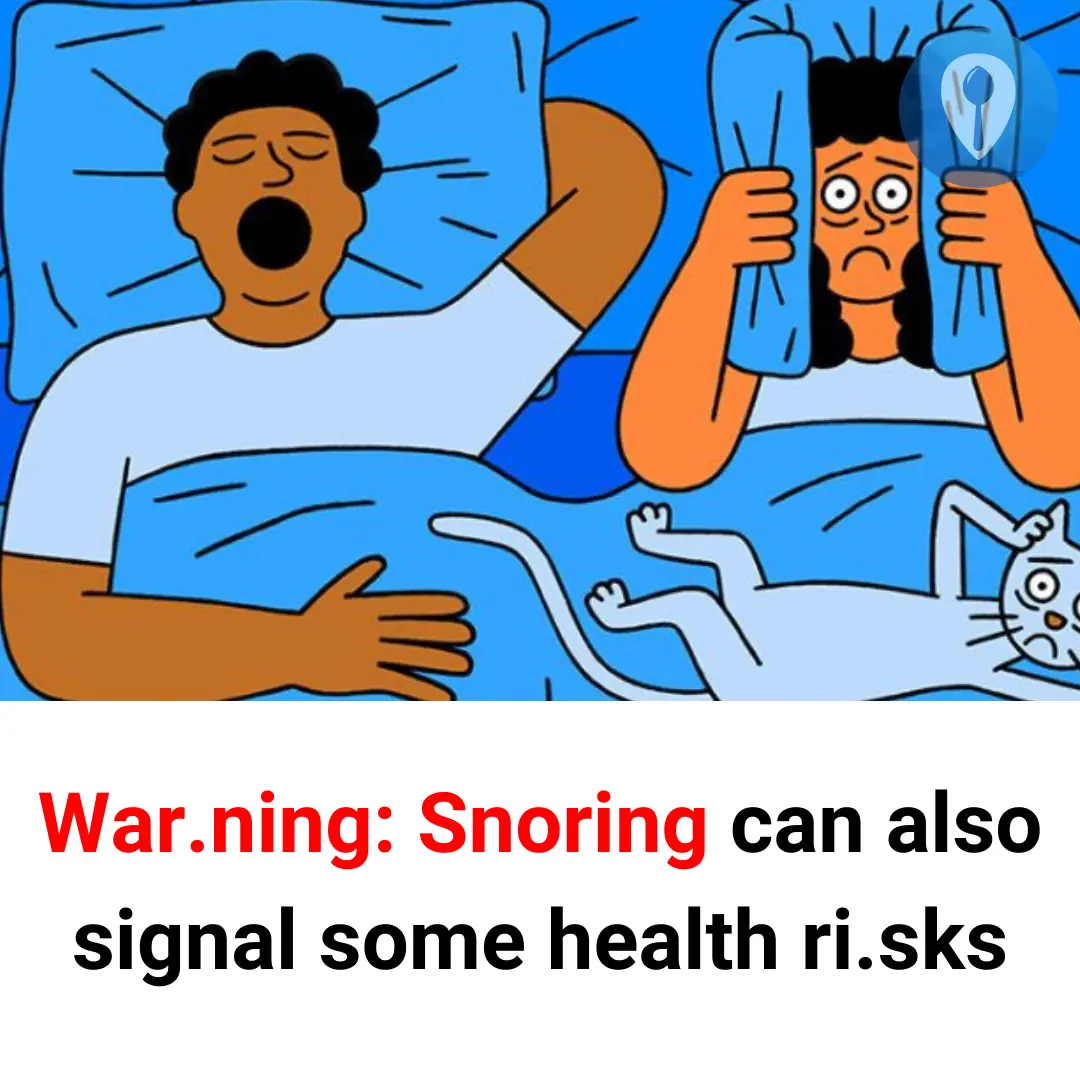
Snoring is the sound produced when the tissues of the upper respiratory tract vibrate during sleep. Snoring often occurs during inhalation but can also occur during exhalation. Snoring is a common behavior, occurring in 44% of men and 28% of women between the ages of 30 and 60. When breathing during sleep, due to the amount of air entering through the narrow throat behind, causing the surrounding mucosa to vibrate, creating a snoring sound.
2. What causes snoring?
In most cases, obstruction, causing the air between the larynx and nose to not circulate normally, causes snoring. Snoring can also be caused by diseases such as allergies, nasal congestion, large tonsils, etc. Snoring can also be caused by congenital abnormalities such as a narrow throat, large tongue base, too long throat, thick tongue base, etc.
3. Is snoring dangerous?
Snoring can warn of some of the following health risks
In addition to causing discomfort to the person sleeping with them, the person with sleep apnea can also warn of some health risks.
Children who snore often have difficulty falling asleep, thereby reducing the quality of sleep, such as not sleeping soundly or deeply, affecting both physical and mental development, due to the brain lacking oxygen while sleeping. Snoring in children can also cause sleep apnea. Snoring will also affect the shape of the face because the mouth often has to be open to breathe while sleeping.
For adults, when they have sleep apnea, the soft tissues, as well as the mucous membrane of the throat, cause the trachea to become blocked, leading to a lack of oxygen in the lungs and brain. In order for the breathing process to resume normally, the brain will send a signal to dilate the throat and trachea. A person with sleep apnea, meaning having these disorders, will have a higher risk of sleep apnea, affecting sleep quality, making the patient tired because the brain does not get complete rest. At a serious level, snoring can also disrupt brain waves, reduce memory, work productivity, concentration, mental fatigue ...
In addition, people with sleep apnea are also at risk of other diseases such as high blood pressure, myocardial infarction, arrhythmia, stroke during sleep. Snoring also reduces sexual ability, affecting marital relations.
4. Can snoring be cured?
The cause of snoring is also due to being overweight or obese. Therefore, overweight people should lose weight to limit snoring
Some simple ways to treat snoring can be done as follows:
- Increasing physical exercise regularly and consistently will help reduce and maintain a stable weight, while also helping to increase the amount of oxygen to the brain.
- Before going to bed, limit or do not drink alcohol about 4 hours before going to bed.
- Using sedatives can cause the throat muscles to relax, causing snoring. Therefore, do not use sedatives or any drugs with such effects before going to bed.
- Limit eating a lot at dinner to avoid bloating and flatulence.
- Snoring can also be caused by allergic rhinitis. Therefore, it is necessary to completely treat this disease so as not to affect sleep.
- To reduce snoring while sleeping, lie on your side and keep your head elevated to make it easier to breathe.
- In case of complications in the heart or lungs, the patient needs to wear a high-pressure air pump to bring air into the nose and lungs, helping the breathing process to take place normally. - People with sleep apnea due to cleft palate can use dental appliances to keep the cleft palate from sagging and the trachea from being blocked by a small tongue.