Bananas are among the most popular fruits in the world. Convenient, affordable, and naturally sweet, they are often the first thing people reach for in the morning when they need a quick source of energy. Some people enjoy a banana before heading to work, while others eat one before exercise or as a light breakfast.
Because bananas are packed with important nutrients such as potassium, vitamin B6, vitamin C, fiber, and natural carbohydrates, they are often viewed as a healthy choice. However, many people wonder whether eating bananas on an empty stomach affects the body differently than eating them with other foods.
The answer is not entirely straightforward. For many healthy individuals, eating a banana before breakfast can be a nutritious way to start the day. At the same time, certain effects—both positive and negative—may occur depending on a person's metabolism, digestive health, and overall dietary habits.
Here are five potential effects of eating bananas before breakfast.
1. You May Experience a Quick Energy Boost
One of the main reasons people choose bananas in the morning is their ability to provide rapid energy.
Bananas contain natural sugars, including:
-
Glucose
-
Fructose
-
Sucrose
These carbohydrates are quickly digested and absorbed by the body.
Why This Matters
After several hours of sleep, the body's energy reserves may be lower than they were the night before.
A banana can help replenish energy by supplying:
-
Easily digestible carbohydrates
-
Essential nutrients
-
Small amounts of fiber
Many athletes also consume bananas before workouts because they provide a convenient source of fuel.
The Result
Some people notice:
-
Increased alertness
-
Improved energy levels
-
Reduced feelings of hunger
-
Better exercise performance
However, the energy boost may be temporary if the banana is consumed alone.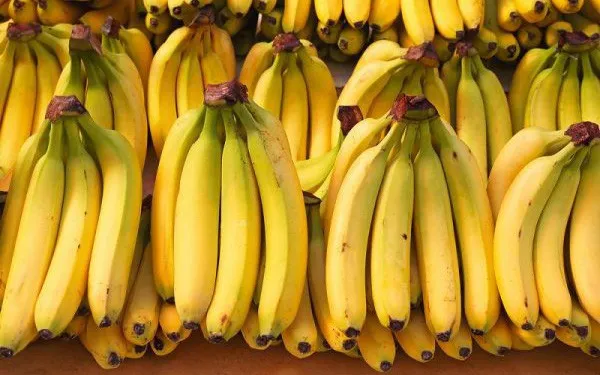
2. Your Blood Sugar May Rise Quickly
Although bananas are nutritious, they also contain natural sugars.
When eaten on an empty stomach, these sugars may enter the bloodstream relatively quickly.
Potential Effects
This may lead to:
-
A rapid increase in blood sugar
-
Increased insulin release
-
Temporary energy enhancement
For most healthy individuals, this response is normal.
However, some people may experience:
-
Mid-morning hunger
-
Energy fluctuations
-
Feelings of fatigue later
Who Should Be More Cautious?
People with:
-
Diabetes
-
Prediabetes
-
Insulin resistance
may benefit from pairing bananas with protein or healthy fats rather than eating them alone.
Examples include:
-
Greek yogurt
-
Nuts
-
Peanut butter
-
Eggs
This combination may help stabilize blood sugar levels.
3. Bananas May Support Digestive Health
Bananas contain dietary fiber, which plays an important role in digestive function.
A medium banana provides both:
-
Soluble fiber
-
Insoluble fiber
Possible Benefits
Fiber may help:
-
Support regular bowel movements
-
Promote digestive comfort
-
Feed beneficial gut bacteria
-
Improve satiety
Bananas also contain a type of fiber called resistant starch, particularly when slightly green.
Resistant Starch
This compound acts somewhat like a prebiotic, helping nourish healthy bacteria in the digestive tract.
For some individuals, eating a banana in the morning may encourage healthy digestion throughout the day.
4. You May Feel Full for a Short Time
Bananas are relatively filling compared to many other snack foods.
Their fiber content helps slow digestion and may increase feelings of fullness.
Benefits
A morning banana may help:
-
Reduce hunger temporarily
-
Prevent overeating
-
Provide a satisfying start to the day
However, bananas are relatively low in protein and fat.
These nutrients are important for prolonged satiety.
Why Breakfast Balance Matters
A breakfast consisting solely of a banana may not keep some people satisfied for very long.
Adding protein and healthy fats can help create a more balanced meal.
Examples include:
-
Banana with almonds
-
Banana and yogurt
-
Banana with oatmeal
-
Banana and nut butter
These combinations often provide longer-lasting fullness.
5. You May Increase Your Potassium Intake
Bananas are famous for their potassium content.
Potassium is an essential mineral involved in numerous bodily functions.
Potassium Helps Support
-
Muscle function
-
Nerve signaling
-
Fluid balance
-
Heart rhythm
-
Blood pressure regulation
A medium banana contains a significant amount of potassium, making it a convenient source of this important nutrient.
Why Potassium Matters
Many adults fail to consume enough potassium through their diets.
Increasing intake through fruits and vegetables may help support overall cardiovascular health.
Eating a banana in the morning can contribute to meeting daily potassium needs.
Are Bananas Safe to Eat on an Empty Stomach?
For most healthy people, the answer is yes.
Bananas are generally considered a nutritious food and can be safely eaten before breakfast.
They provide:
-
Vitamins
-
Minerals
-
Fiber
-
Natural carbohydrates
However, individual responses vary.
Some people feel energized and satisfied after eating a banana alone.
Others may notice:
-
Hunger returning quickly
-
Energy crashes
-
Digestive discomfort
Personal experience often determines what works best.
Common Myths About Bananas on an Empty Stomach
Myth 1: Bananas Are Dangerous to Eat First Thing in the Morning
There is no strong scientific evidence suggesting that bananas are harmful when eaten on an empty stomach for most healthy individuals.
Myth 2: Bananas Cause Dangerous Potassium Levels
Healthy kidneys regulate potassium efficiently.
For most people, normal banana consumption does not cause excessive potassium levels.
Myth 3: Bananas Always Cause Weight Gain
Weight gain depends on overall calorie balance and lifestyle habits, not any single food.
Bananas can fit into a healthy diet and weight-management plan.
Who Might Benefit Most From Morning Bananas?
Bananas may be particularly useful for:
Athletes
The carbohydrate content provides readily available energy.
Busy Professionals
Bananas are portable and require no preparation.
Students
A quick source of nutrients before school or study sessions.
Older Adults
Soft texture and nutrient density make bananas easy to consume.
Who Might Prefer Pairing Bananas With Other Foods?
Certain individuals may benefit from combining bananas with additional nutrients.
This includes people who:
-
Have diabetes
-
Experience blood sugar fluctuations
-
Become hungry quickly
-
Require sustained energy
Combining bananas with protein or healthy fats often creates a more balanced breakfast.
Healthy Breakfast Ideas Featuring Bananas
Banana and Greek Yogurt
Provides protein and probiotics.
Banana Oatmeal Bowl
Offers fiber and long-lasting energy.
Banana Smoothie
Combine with milk, yogurt, and berries.
Banana With Peanut Butter
Adds healthy fats and protein.
Banana and Nuts
Creates a satisfying, nutrient-dense snack.
The Bigger Picture: Overall Diet Matters Most
While bananas offer many nutritional benefits, overall dietary habits have a much greater impact on long-term health.
Healthy eating patterns generally emphasize:
-
Fruits
-
Vegetables
-
Whole grains
-
Lean proteins
-
Healthy fats
Bananas can be a valuable part of this approach.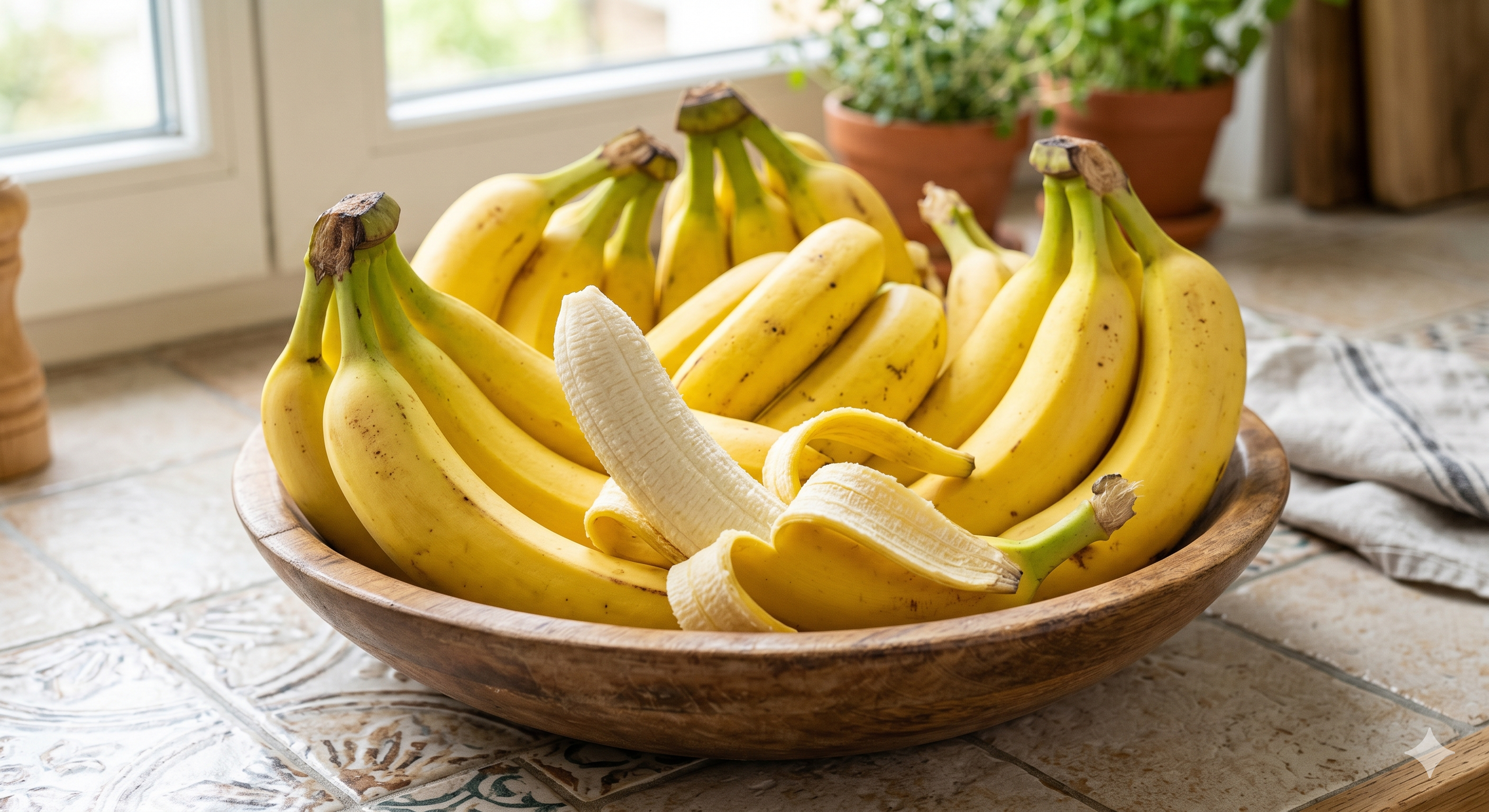
Final Thoughts
Eating bananas before breakfast can have several effects on the body. They may provide a quick energy boost, contribute to potassium intake, support digestive health, and help reduce hunger in the short term. At the same time, because bananas contain natural sugars and relatively little protein or fat, some individuals may experience blood sugar fluctuations or feel hungry again relatively quickly.
For most healthy people, bananas are a nutritious choice and can be safely enjoyed first thing in the morning. Pairing them with protein-rich or healthy-fat foods may provide even greater benefits by promoting longer-lasting energy and satiety.
As with many aspects of nutrition, the best approach depends on individual needs, preferences, and overall dietary habits. Listening to your body and maintaining a balanced diet remain some of the most effective strategies for supporting long-term health and wellness.