
Start Your Day Right: 15 Amazing Benefits of Eating Banana and Avocado for Breakfast
15 Powerful Reasons to Add Banana and Avocado to Your Morning Routine
Health 03/06/2026 00:06
Diabetes is often discussed in relation to blood sugar, insulin, and diet. While managing glucose levels is certainly important, many people are unaware that one of the most serious complications of diabetes involves the heart.
In fact, cardiovascular disease is one of the leading causes of illness and death among people with diabetes. What makes this risk particularly concerning is that it often develops quietly over many years, without obvious warning signs.
Many individuals focus on controlling their blood sugar while overlooking the impact diabetes can have on blood vessels, circulation, and heart function. Understanding this hidden connection can help people take steps to protect their long-term health.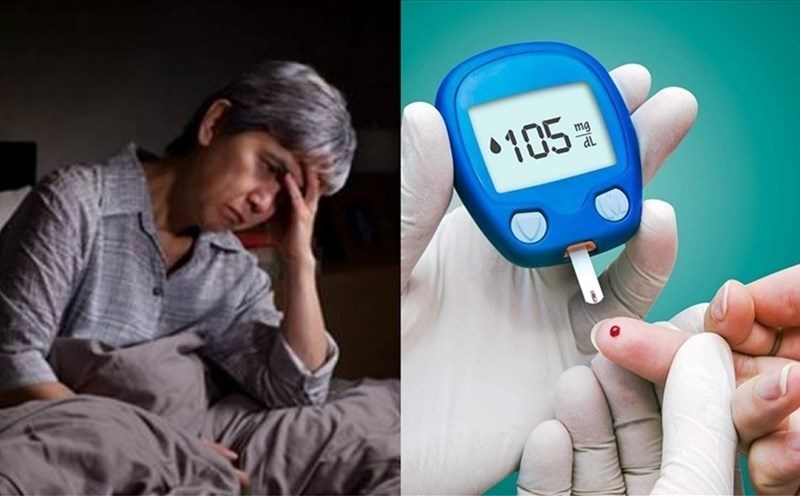
Diabetes affects far more than blood sugar levels.
When blood glucose remains elevated over time, it can damage:
Blood vessels
Nerves
The heart muscle
The circulatory system
This damage may gradually increase the risk of several cardiovascular conditions.
Coronary artery disease
Heart attacks
Heart failure
Stroke
Peripheral artery disease
The risk exists in both type 1 and type 2 diabetes, although it is generally more common in people with type 2 diabetes.
Several factors contribute to the increased risk.
High blood sugar can damage the inner lining of blood vessels.
Over time, this damage may promote the buildup of fatty deposits known as plaque.
This process is called atherosclerosis.
As plaque accumulates:
Arteries become narrower
Blood flow becomes restricted
The risk of heart attack and stroke increases
Diabetes is associated with ongoing low-grade inflammation throughout the body.
Inflammation can contribute to:
Blood vessel damage
Plaque formation
Cardiovascular complications
Researchers believe inflammation plays a significant role in the progression of heart disease.
Many people with diabetes also develop hypertension.
High blood pressure forces the heart to work harder and places additional strain on blood vessels.
The combination of diabetes and hypertension significantly increases cardiovascular risk.
Diabetes often affects cholesterol balance.
Common findings include:
High triglycerides
Low HDL ("good") cholesterol
Increased small, dense LDL particles
These changes may accelerate artery damage.
One of the most dangerous aspects of diabetes-related heart disease is that symptoms may be subtle or absent.
Some individuals develop significant artery narrowing without realizing it.
In certain cases, nerve damage caused by diabetes may even reduce the ability to feel chest pain.
This phenomenon is sometimes referred to as a "silent heart attack."
As a result, some people may experience serious cardiac events with little warning.
Although heart disease can develop quietly, certain symptoms deserve immediate attention.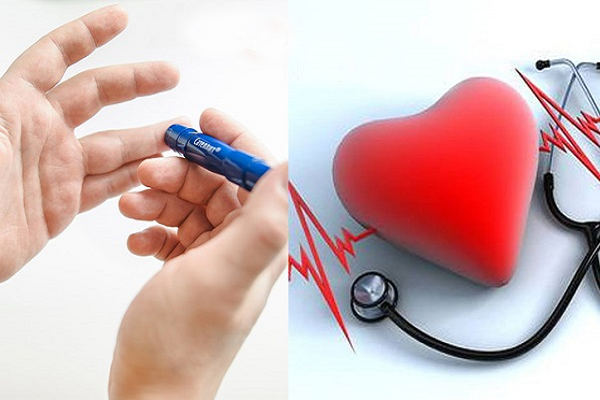
This may feel like:
Pressure
Tightness
Burning
Squeezing
Difficulty breathing during activity or rest may indicate heart-related issues.
Extreme tiredness that seems out of proportion to activity levels can sometimes be an early warning sign.
Reduced blood flow may contribute to these symptoms.
Fluid retention can occur when the heart is not pumping efficiently.
Heart-related discomfort is not always limited to the chest.
Some people experience pain in:
The jaw
Neck
Back
Shoulders
Arms
Anyone experiencing these symptoms should seek medical evaluation promptly.
Many people associate diabetes with heart attacks but are less familiar with heart failure.
Heart failure does not mean the heart has stopped working.
Instead, it means the heart is unable to pump blood as effectively as it should.
Shortness of breath
Swollen ankles
Persistent fatigue
Reduced exercise tolerance
Research has shown that people with diabetes have a higher risk of developing heart failure compared to those without diabetes.
Obesity is closely linked to both diabetes and cardiovascular disease.
Excess body weight can contribute to:
Insulin resistance
High blood pressure
Inflammation
Elevated cholesterol levels
Together, these factors place additional strain on the heart.
Maintaining a healthy weight may help reduce cardiovascular risk.
Managing blood sugar is one of the most important strategies for protecting cardiovascular health.
Keeping glucose levels within target ranges may help:
Reduce blood vessel damage
Lower inflammation
Improve overall metabolic health
Regular monitoring and adherence to treatment plans play important roles in long-term disease management.
The good news is that many cardiovascular risk factors can be improved through healthy lifestyle choices.
Exercise helps:
Improve circulation
Lower blood pressure
Support weight management
Increase insulin sensitivity
Even moderate activity can provide meaningful benefits.
A balanced diet may include:
Fruits
Vegetables
Whole grains
Lean proteins
Healthy fats
Reducing highly processed foods may support both blood sugar and heart health.
Smoking significantly increases the risk of heart disease.
For individuals with diabetes, the combination of smoking and elevated blood sugar can be particularly harmful.
Poor sleep has been linked to:
Insulin resistance
High blood pressure
Increased cardiovascular risk
Most adults benefit from consistent, high-quality sleep.
Routine healthcare visits help identify problems before symptoms appear.
Doctors may monitor:
Keeping blood pressure under control is essential for protecting the heart.
Regular testing helps assess cardiovascular risk.
Kidney disease and heart disease often occur together in people with diabetes.
Measures such as A1C testing provide information about long-term glucose management.
While not every case can be prevented, many risk factors can be reduced.
Effective prevention often includes:
Healthy eating
Regular exercise
Weight management
Blood sugar control
Blood pressure management
Cholesterol monitoring
Smoking cessation
Small improvements made consistently can have a significant impact over time.
Unfortunately, heart disease often develops without noticeable symptoms.
Cardiovascular risk can begin increasing years before symptoms appear.
While blood sugar management is critical, blood pressure, cholesterol, weight, and lifestyle habits are also important.
Emergency medical attention is needed if symptoms include:
Chest pain
Sudden shortness of breath
Fainting
Severe dizziness
Sudden weakness on one side of the body
Difficulty speaking
Prompt treatment can be lifesaving.
One of the greatest hidden dangers of diabetes is its impact on the heart. High blood sugar can gradually damage blood vessels, promote inflammation, and increase the risk of heart attacks, heart failure, and other cardiovascular conditions. Because these problems often develop silently, many people remain unaware of the danger until complications occur.
The encouraging news is that awareness, healthy lifestyle choices, regular medical care, and effective diabetes management can significantly reduce risk. Understanding the connection between diabetes and heart health empowers individuals to take proactive steps toward protecting both their cardiovascular system and their overall well-being.
When it comes to diabetes, managing blood sugar is only part of the picture. Taking care of the heart is equally important for a healthier future.
15 Powerful Reasons to Add Banana and Avocado to Your Morning Routine

The Hidden Risks of Combining Eggs with These 7 Common Foods

The Heart Health Benefits of These 5 Nutrient-Rich Vegetables

5 Nighttime Symptoms That Could Be Signs of Diabetes
Peeing in the Shower: What Actually Happens and What You Should Know

Don't Ignore These 6 Symptoms - They Could Be Signs of Fatty Liver Disease

Constantly Coughing Up Mucus? Here Are Some Possible Reasons Why

Your Fingernails May Be Revealing Hidden Health Clues You Shouldn't Ignore

Making This Mistake Could Be as Dan.ger.ous as Drinking Poi.son!

Yet Many People Still Don't Believe It

Before You Begin Your Day, Consider These 5 Expert-Recommended Habits
This Everyday Drink Could Be Quietly Affecting Your Liver Health

The Surprising Health Benefits of Eating Oregano Regularly

5 Serious Liver Disease Symptoms You Should Never Ignore
Doctors Say These 10 Symptoms Could Be Early Clues Of Blocked Arteries

A frightening sleep experience may have a surprising scientific cause.
Experts reveal surprising ways eggs support health beyond nutrition.

Persistent vomiting revealed a hidden medical condition inside the boy.

What Science and Tradition Say About Eating Garlic Fried in Ghee Daily 🧄

Don't Replace Your Shower Head Until You Try This Easy Cleaning Solution

Why Steamed Ginger Remains a Popular Natural Remedy for Immune Support
15 Powerful Reasons to Add Banana and Avocado to Your Morning Routine
The Hidden Risks of Combining Eggs with These 7 Common Foods
The Heart Health Benefits of These 5 Nutrient-Rich Vegetables
5 Nighttime Symptoms That Could Be Signs of Diabetes
Peeing in the Shower: What Actually Happens and What You Should Know
Don't Ignore These 6 Symptoms - They Could Be Signs of Fatty Liver Disease
Constantly Coughing Up Mucus? Here Are Some Possible Reasons Why
Your Fingernails May Be Revealing Hidden Health Clues You Shouldn't Ignore

How a Common Kitchen Ingredient May Help You Clean Your Stove Faster

After Hearing the Explanation, You'll Want to Try It Too

Baldness May Be a Sign of He.art Dise.ase
Making This Mistake Could Be as Dan.ger.ous as Drinking Poi.son!
Yet Many People Still Don't Believe It

What Excess Chin Hair in Women May Reveal About Hormonal Health?
Before You Begin Your Day, Consider These 5 Expert-Recommended Habits
This Everyday Drink Could Be Quietly Affecting Your Liver Health