Heart disease remains one of the leading health concerns worldwide, affecting millions of people every year. While genetics, age, and certain medical conditions can influence heart health, everyday lifestyle choices play a major role in protecting the cardiovascular system.
One of the simplest and most effective ways to support heart health is through diet. Vegetables are packed with vitamins, minerals, fiber, antioxidants, and plant compounds that help nourish the body and support healthy blood vessels, cholesterol levels, and blood pressure.
While nearly all vegetables can contribute to a healthy eating pattern, some stand out because of their impressive nutritional profiles and their potential benefits for cardiovascular health.
Here are five vegetables that deserve a regular place on a heart-healthy plate.
1. Broccoli
Broccoli is often considered one of the healthiest vegetables available.
Rich in vitamins, minerals, fiber, and antioxidants, broccoli provides nutrients that support multiple aspects of cardiovascular health.
Key Nutrients
Broccoli contains:
-
Vitamin C
-
Vitamin K
-
Folate
-
Potassium
-
Fiber
-
Sulforaphane
Potential Heart Benefits
The fiber found in broccoli may help support healthy cholesterol levels by assisting the body in removing excess cholesterol.
Broccoli is also rich in antioxidants, which help protect blood vessels from oxidative stress and inflammation.
Adding broccoli to meals several times per week is an easy way to increase vegetable intake and support overall wellness.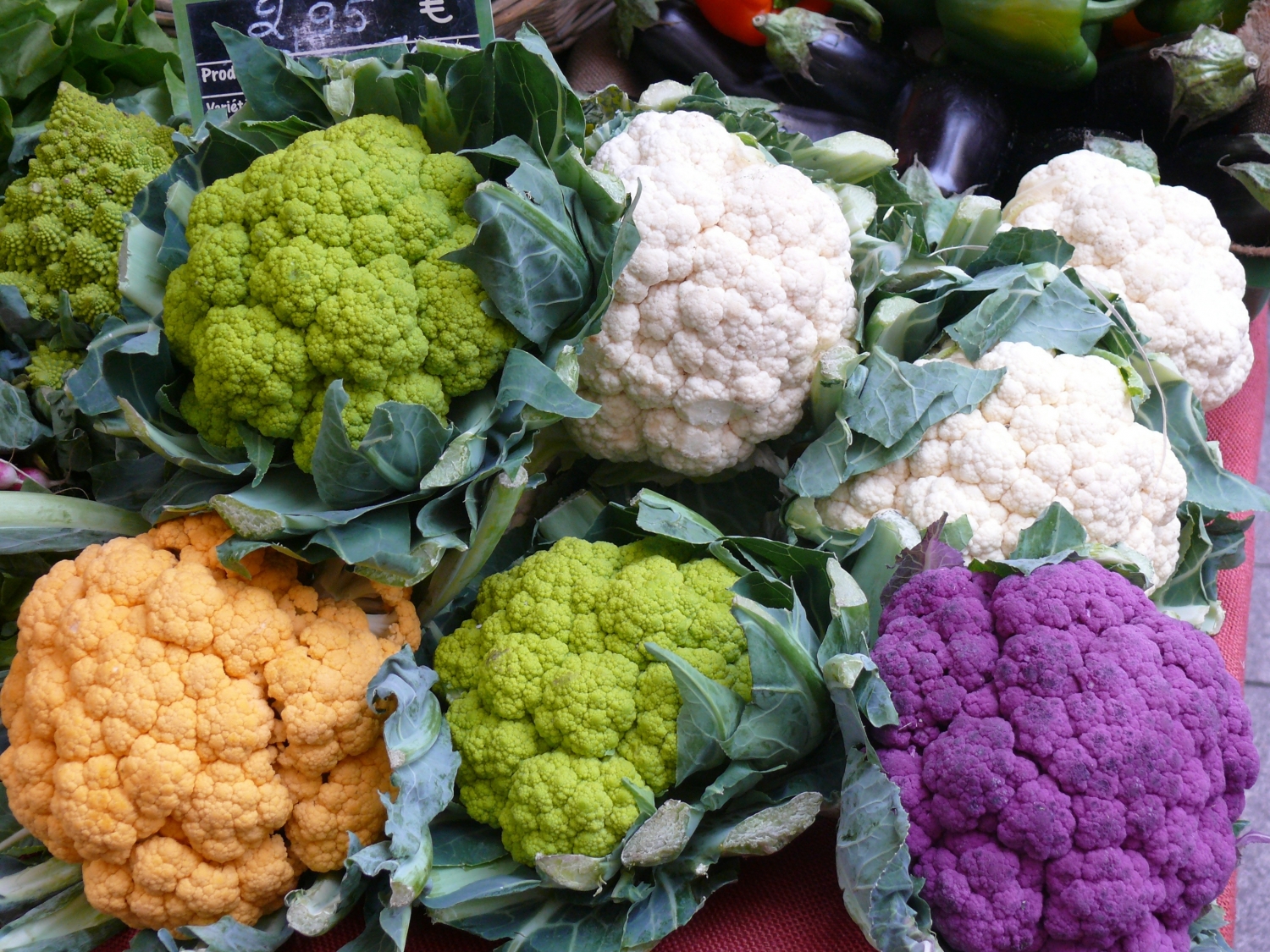
Easy Ways to Enjoy Broccoli
-
Steamed as a side dish
-
Added to stir-fries
-
Mixed into soups
-
Roasted with olive oil
-
Added to salads
2. Spinach
Spinach is a nutrient powerhouse that has earned its reputation as a heart-friendly food.
Key Nutrients
Spinach provides:
-
Iron
-
Magnesium
-
Potassium
-
Folate
-
Vitamin K
-
Nitrates
Potential Heart Benefits
Natural nitrates found in spinach may help support healthy blood vessel function.
The potassium content can help maintain healthy blood pressure by balancing sodium levels in the body.
Additionally, spinach contains antioxidants that help protect cells from damage.
Ways to Add Spinach to Your Diet
-
Fresh salads
-
Smoothies
-
Omelets
-
Soups
-
Pasta dishes
Because spinach has a mild flavor, it is one of the easiest vegetables to incorporate into daily meals.
3. Beets
Beets are known for their deep red color and unique nutritional properties.
Key Nutrients
Beets contain:
-
Folate
-
Potassium
-
Fiber
-
Vitamin C
-
Natural nitrates
Potential Heart Benefits
Research has attracted attention to the nitrate content of beets.
The body converts nitrates into nitric oxide, a compound that helps blood vessels relax and widen.
This process may support:
-
Healthy circulation
-
Blood vessel flexibility
-
Normal blood pressure
Beets also provide antioxidants that help combat oxidative stress.
Delicious Ways to Eat Beets
-
Roasted
-
Grated into salads
-
Blended into smoothies
-
Added to soups
-
Pickled
Their naturally sweet flavor makes them appealing even to people who do not usually enjoy vegetables.
4. Garlic
Garlic has been valued for centuries in both cooking and traditional wellness practices.
Key Nutrients
Garlic contains:
-
Manganese
-
Vitamin B6
-
Selenium
-
Sulfur compounds such as allicin
Potential Heart Benefits
Allicin, one of garlic's most studied compounds, has been investigated for its potential role in supporting cardiovascular health.
Some studies suggest garlic may help support:
-
Healthy blood pressure
-
Normal cholesterol levels
-
Blood vessel function
While garlic is not a substitute for medical treatment, it can be a flavorful addition to a balanced diet.
Ways to Use Garlic
-
In sauces
-
Roasted whole
-
Mixed into vegetables
-
Added to soups
-
Included in marinades
Fresh garlic typically offers the strongest flavor and aroma.

5. Tomatoes
Tomatoes are one of the most widely consumed vegetables in the world, although botanically they are classified as fruits.
Key Nutrients
Tomatoes provide:
-
Vitamin C
-
Potassium
-
Folate
-
Lycopene
Potential Heart Benefits
Lycopene is a powerful antioxidant responsible for the red color of tomatoes.
Researchers have studied lycopene for its potential role in cardiovascular health and its ability to help protect cells from oxidative damage.
Tomatoes are also naturally low in calories and can be incorporated into a variety of meals.
Ways to Enjoy Tomatoes
-
Fresh salads
-
Sandwiches
-
Soups
-
Sauces
-
Roasted dishes
Interestingly, cooked tomatoes often provide more bioavailable lycopene than raw tomatoes.
Why Vegetables Matter for Heart Health
Vegetables offer several important benefits that support cardiovascular wellness.
Fiber
Fiber may help:
-
Support healthy cholesterol levels
-
Improve digestion
-
Promote fullness
Potassium
Potassium helps maintain healthy blood pressure by balancing sodium levels.
Antioxidants
Antioxidants help protect blood vessels and cells from oxidative stress.
Low Calorie Density
Vegetables provide valuable nutrients without excessive calories, making them helpful for maintaining a healthy weight.
Other Heart-Healthy Lifestyle Habits
Although vegetables are important, they are only one part of a heart-healthy lifestyle.
Additional habits include:
Staying Physically Active
Regular exercise supports circulation, blood pressure, and overall cardiovascular health.
Maintaining a Healthy Weight
Healthy weight management reduces strain on the heart.
Avoiding Tobacco
Smoking damages blood vessels and significantly increases cardiovascular risk.
Managing Stress
Chronic stress may contribute to unhealthy behaviors and cardiovascular strain.
Prioritizing Sleep
Adequate sleep supports healthy blood pressure and metabolic function.
Building a Heart-Friendly Plate
A simple heart-conscious meal might include:
-
Grilled fish or beans
-
Steamed broccoli
-
Spinach salad
-
Roasted beets
-
Tomato slices
-
Garlic-seasoned vegetables
This combination provides a variety of nutrients that support overall health and wellness.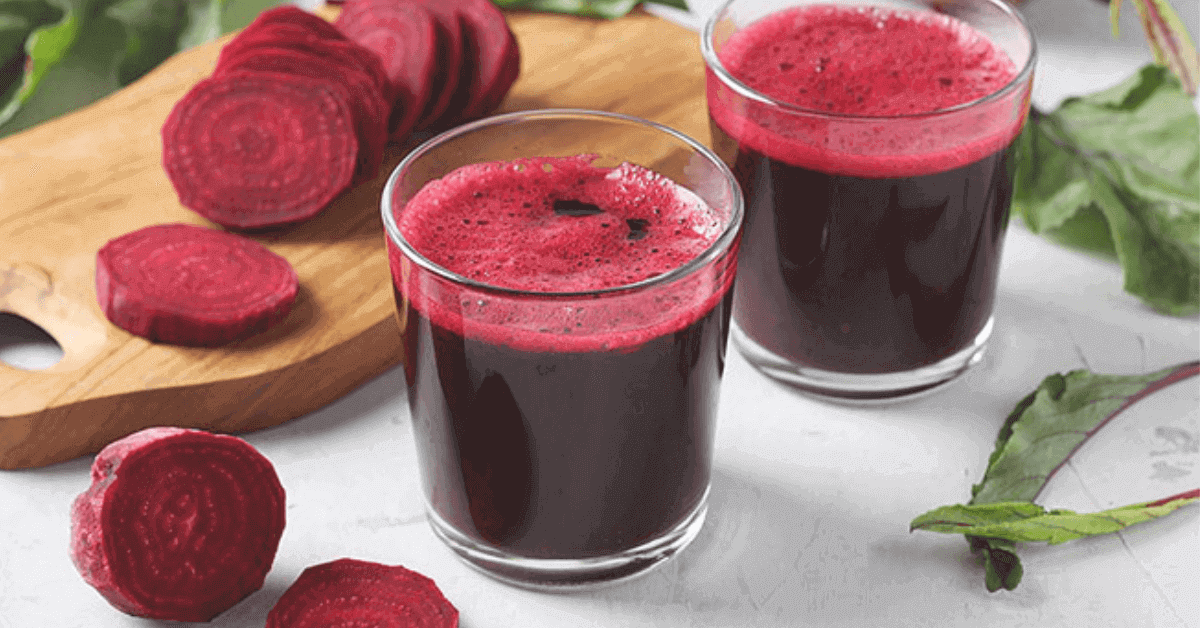
Final Thoughts
Taking care of your heart does not require complicated diets or expensive supplements. Often, the most effective choices begin with simple, everyday foods. Broccoli, spinach, beets, garlic, and tomatoes are five vegetables packed with nutrients that may support cardiovascular health when included as part of a balanced diet.
While no single food can guarantee protection from heart disease, consistently choosing nutrient-rich vegetables can contribute to healthier blood vessels, improved cholesterol management, better blood pressure control, and overall well-being.
Small dietary changes practiced consistently over time can have a meaningful impact. If you're looking for a simple place to start supporting your heart, these five vegetables are an excellent addition to your plate.