
A Strange Sleeping Position That Many People Find Surprisingly Comfortable
After Hearing the Explanation, You'll Want to Try It Too
Tips 02/06/2026 22:44
Keeping a stove clean can be one of the most frustrating household chores. No matter how careful we are while cooking, spills, grease splatters, burnt food residue, and stubborn stains seem to find their way onto the stovetop. Over time, these messes can become baked onto the surface, making cleaning more difficult and time-consuming.
Many people turn to expensive cleaning products, scrubbing pads, and harsh chemicals in an attempt to restore their stove to a spotless condition. However, there is a surprisingly simple ingredient that may already be sitting in your kitchen cabinet: salt.
Salt has been used for generations as a natural cleaning aid. Thanks to its mild abrasive properties and ability to absorb moisture and grease, it can help loosen stubborn messes and make stove cleaning easier. While salt is not a miracle cleaner and won't replace every cleaning product, it can be a useful addition to your household cleaning routine.
Let's explore how this simple salt hack works and why so many people continue to use it.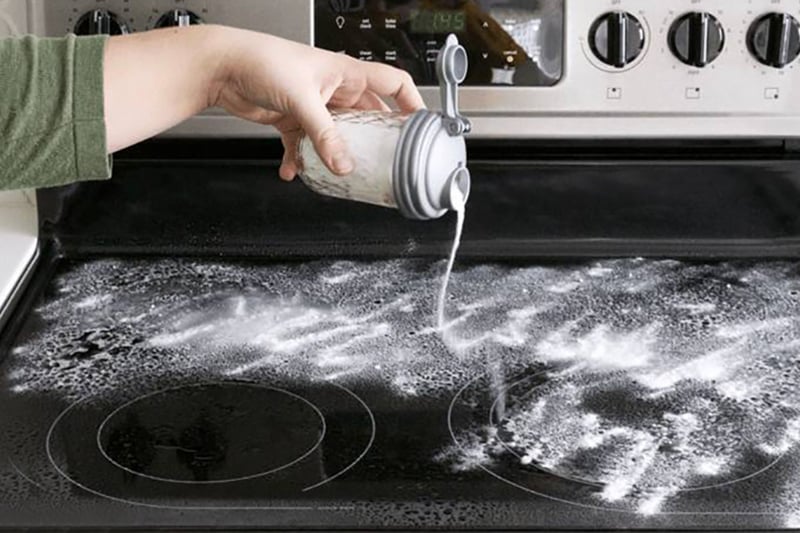
Most people think of salt primarily as a seasoning, but it has several characteristics that make it useful for cleaning.
Salt is:
Mildly abrasive
Inexpensive
Widely available
Non-toxic
Easy to use
Unlike harsh scrubbing materials that may scratch delicate surfaces, salt can provide gentle friction that helps lift grime without causing significant damage when used correctly.
Its coarse texture helps break apart dried food particles and stubborn residue that can cling to stove surfaces.
One of the biggest challenges when cleaning a stove is dealing with food that has become baked onto the surface.
Examples include:
Boiled-over pasta water
Burnt sauce splatters
Grease buildup
Melted sugar
Overflowing soups
These messes often harden as they cool, making them difficult to remove with a simple wipe.
This is where salt can be particularly helpful.
One of the simplest approaches involves using salt immediately after a spill occurs.
Safety always comes first.
Allow the stove to cool slightly if necessary, but some people find that cleaning is easier while the surface is still warm—not hot.
Never place your hands on a dangerously hot surface.
Cover the spill or stain with a generous layer of table salt or coarse salt.
The salt begins absorbing moisture and can help prevent some spills from hardening further.
Allow the salt to remain on the affected area for several minutes.
This gives it time to absorb grease and moisture.
Using a damp cloth or sponge, gently wipe away the salt along with the loosened residue.
Many people find that the stain lifts more easily than it would without the salt treatment.
Grease is one of the most common stove-cleaning frustrations.
Cooking oils often splatter onto nearby surfaces, leaving behind sticky residue.
Salt may help by:
Absorbing excess oil
Providing mild scrubbing action
Reducing slippery buildup
For greasy spots:
Sprinkle salt over the grease.
Let it sit for several minutes.
Wipe with a damp cloth.
Finish with a mild cleaner if needed.
This method may reduce the amount of scrubbing required.
Many cleaning enthusiasts combine salt with baking soda for additional cleaning power.
Salt provides gentle abrasion.
Baking soda helps neutralize odors and break down grime.
Together they can create an effective cleaning mixture for many kitchen surfaces.
Mix:
1 tablespoon salt
1 tablespoon baking soda
Small amount of water
Create a paste and apply it to stubborn stains.
Allow it to sit for several minutes before wiping clean.
Gas stoves often feature cast iron grates that accumulate grease and burnt residue.
Salt can help loosen debris from these surfaces.
Remove the grates.
Sprinkle with coarse salt.
Scrub gently using a damp sponge.
Rinse and dry thoroughly.
This method may help reduce buildup while minimizing the need for harsh chemicals.
One of the most effective times to use salt is immediately after a spill.
When food boils over:
Turn off the burner.
Sprinkle salt over the spill.
Allow it to absorb moisture.
Wipe clean once safe.
Acting quickly can prevent stains from becoming harder to remove later.
Salt costs very little compared to specialized cleaning products.
Most households already have it in the kitchen.
Many people prefer using simple household ingredients when possible.
No complicated preparation is required.
Salt can be used throughout the kitchen for various cleaning tasks.
Salt's usefulness extends beyond the stove.
Many people also use it for:
Salt may help remove odors and surface residue.
Salt can assist with light scrubbing inside mugs.
Salt is sometimes combined with hot water as part of routine maintenance.
It may help loosen stuck-on food in pots and pans.
Although salt is generally safe for cleaning, there are a few things to keep in mind.
Certain materials may be sensitive to abrasive cleaning.
Always test a small area first.
Salt should provide gentle scrubbing assistance, not aggressive abrasion.
Leaving salt on metal surfaces for long periods may contribute to corrosion in some situations.
After cleaning, wipe surfaces thoroughly.
While salt can be surprisingly effective, some situations may require additional cleaning methods.
Examples include:
Heavy carbon buildup
Deeply burnt stains
Commercial kitchen residue
Long-neglected grease accumulation
In these cases, specialized cleaning products may still be necessary.
Salt works best as part of a regular maintenance routine rather than as a solution for severe neglect.
Keeping a stove clean is easier when messes are addressed regularly.
A simple routine might include:
Wipe spills after cooking
Remove grease splatters
Deep clean burners and grates
Use salt for stubborn spots
Inspect hidden areas
Remove accumulated grease
Consistent maintenance helps prevent difficult buildup from forming.
Many traditional household cleaning methods have survived for generations because they are practical and effective.
Salt remains popular because it offers:
Convenience
Affordability
Simplicity
Versatility
Sometimes the most useful cleaning solutions are not found in expensive specialty products but in ingredients already sitting on the kitchen shelf.
Cleaning a stove doesn't always require costly cleaners or endless scrubbing. A simple handful of salt can help absorb grease, loosen burnt-on food, and provide gentle abrasive action that makes cleaning easier.
While salt is not a cure-all for every kitchen mess, it can be a valuable tool for maintaining a cleaner stovetop with less effort. Combined with regular maintenance and prompt cleanup of spills, this simple kitchen staple may help save time and reduce frustration.
The next time a stubborn spill appears on your stove, consider reaching for the salt shaker before reaching for expensive cleaning products. You may be surprised by how effective this simple household hack can be.
After Hearing the Explanation, You'll Want to Try It Too

How to Choose Garlic That Delivers Better Flavor and Storage Life

The Supermarket Meat Facts Every Consumer Should Know

Have you ever noticed a small hole or tiny indentation near the front of someone's ear?

What Does the Semicolon Tattoo Really Mean?

One Small Change Can Make Your Boiled Eggs Perfect


Young mango leaves are a traditional remedy known for their blood sugar-lowering effects and their ability to prevent diabetes complications.


This simple household hack is easy to do and can benefit almost any home.
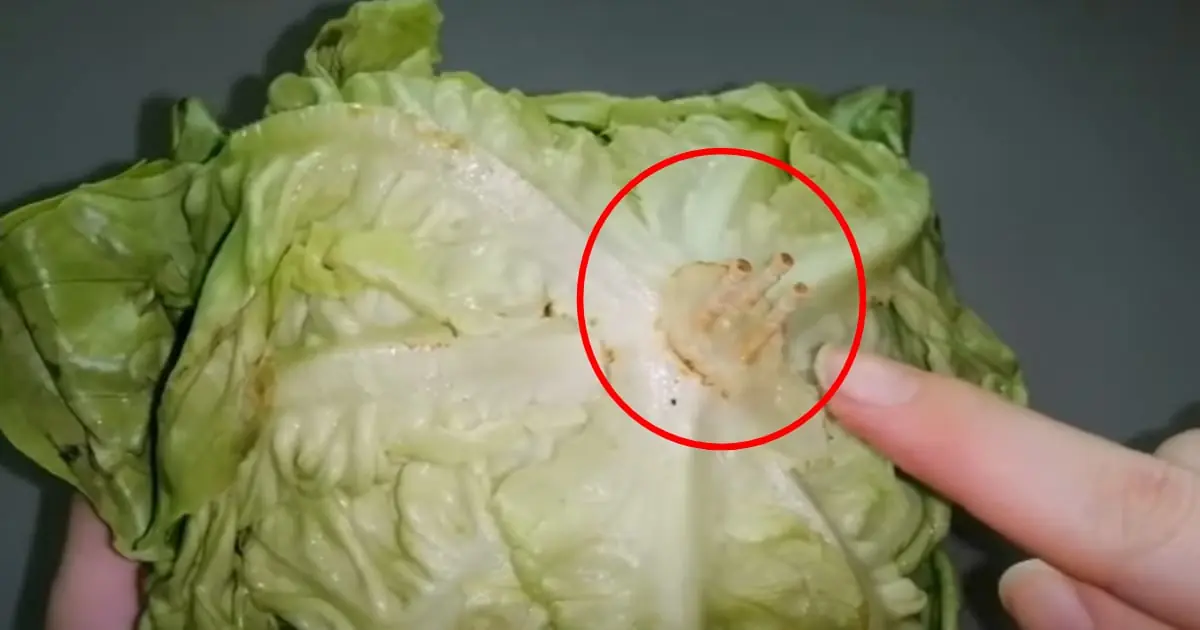
The toothpick trick may sound unusual, but it can help keep lettuce fresh much longer.
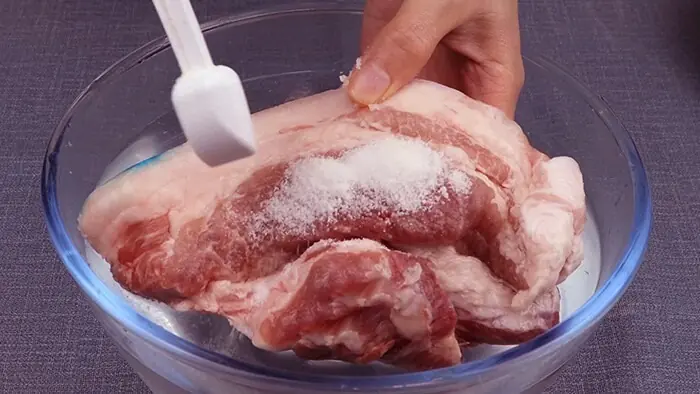
These are simple methods trusted by many home cooks.
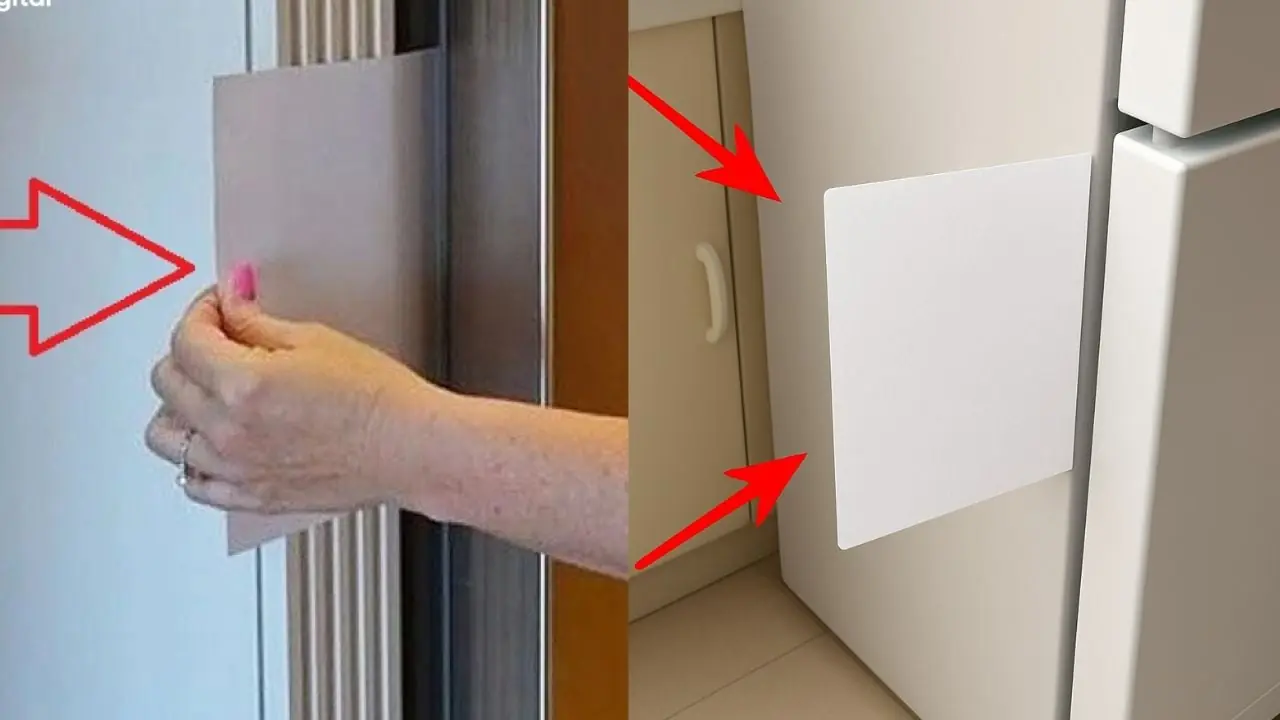
The method is surprisingly simple.

The Japanese Sleep Trick That Could Change Your Summer Nights

Want Better-Tasting Shrimp? Start by Learning How to Choose Fresh Ones

Can You Tell Real Honey From Fake in Seconds?

When Staying at a Hotel or Motel, If You Notice These 3 Things, Ask for a Different Room Immediately.

The Best Ways to Store Rice and Reduce the Risk of Mold and Insect Infestations

After Using the Bathroom, Is It Better to Leave the Door Open or Closed?

5 Nighttime Symptoms That Could Be Signs of Diabetes

Peeing in the Shower: What Actually Happens and What You Should Know

Don't Ignore These 6 Symptoms - They Could Be Signs of Fatty Liver Disease

Diabetes and Heart Health: The Silent Threat You Shouldn't Ignore

Constantly Coughing Up Mucus? Here Are Some Possible Reasons Why

Your Fingernails May Be Revealing Hidden Health Clues You Shouldn't Ignore
After Hearing the Explanation, You'll Want to Try It Too

Baldness May Be a Sign of He.art Dise.ase

Making This Mistake Could Be as Dan.ger.ous as Drinking Poi.son!

Yet Many People Still Don't Believe It

What Excess Chin Hair in Women May Reveal About Hormonal Health?

Before You Begin Your Day, Consider These 5 Expert-Recommended Habits

This Everyday Drink Could Be Quietly Affecting Your Liver Health
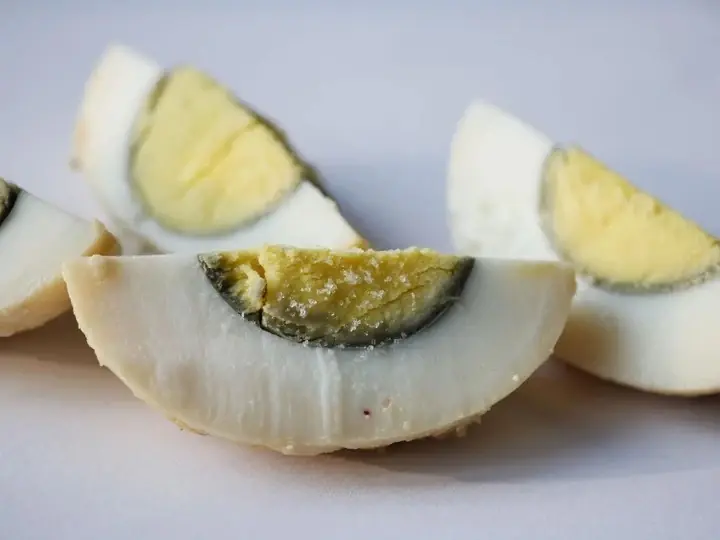
What That Greenish Layer Around the Yolk Really Means?
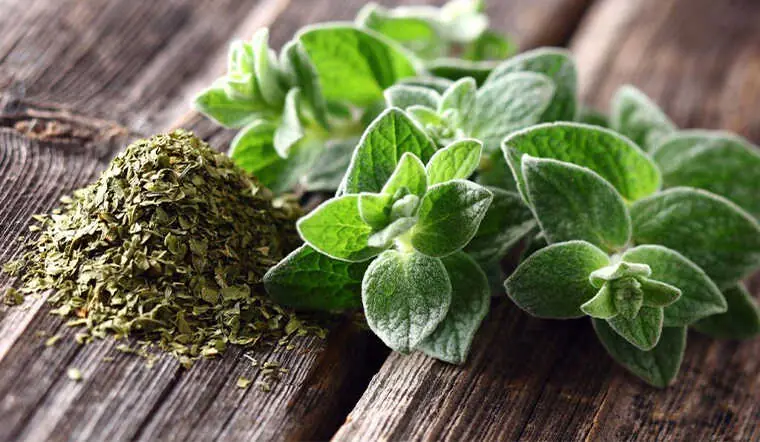
The Surprising Health Benefits of Eating Oregano Regularly

5 Serious Liver Disease Symptoms You Should Never Ignore
How to Choose Garlic That Delivers Better Flavor and Storage Life

Doctors Say These 10 Symptoms Could Be Early Clues Of Blocked Arteries

A frightening sleep experience may have a surprising scientific cause.