Most people think of fingernails as simply a cosmetic feature, but they can actually provide valuable clues about overall health. Doctors and healthcare professionals often examine the nails during routine physical examinations because changes in their appearance, texture, shape, or color may sometimes reflect underlying health conditions.
It's important to remember that nail changes do not automatically mean someone has a serious illness. Many nail abnormalities result from aging, minor injuries, nutritional deficiencies, or harmless variations. However, persistent or unusual changes may warrant further investigation.
Your fingernails can act like small windows into your body's internal health. Understanding what they may be telling you can help you recognize when something deserves attention.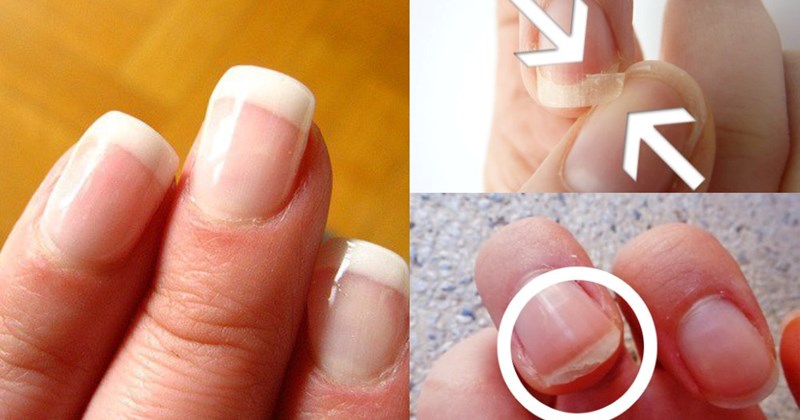
Understanding Healthy Fingernails
Healthy fingernails are typically:
-
Smooth
-
Strong
-
Consistent in color
-
Free of deep grooves or pits
-
Slightly curved
Most healthy nails appear pale pink because of the blood vessels beneath the nail bed.
Small variations are normal, and nail appearance can differ from person to person.
However, significant changes in color, thickness, shape, or texture may sometimes indicate a health concern.
1. Brittle or Easily Broken Nails
Brittle nails are one of the most common nail complaints.
Symptoms may include:
-
Cracking
-
Splitting
-
Peeling
-
Frequent breakage
Possible Causes
Brittle nails can result from:
-
Frequent hand washing
-
Repeated exposure to cleaning products
-
Aging
-
Dry environments
In some cases, they may also be associated with:
-
Iron deficiency
-
Thyroid disorders
-
Nutritional deficiencies
If brittle nails persist despite proper nail care, it may be worth discussing with a healthcare provider.
2. Pale Nails
Healthy nails usually have a pink appearance.
Nails that appear unusually pale may sometimes indicate:
-
Anemia
-
Poor circulation
-
Nutritional deficiencies
Why It Happens
Anemia occurs when the body lacks sufficient healthy red blood cells or hemoglobin to carry oxygen effectively.
Reduced oxygen delivery can affect the appearance of the nail beds.
Blood tests can often identify the underlying cause.
3. Yellow Nails
Yellow discoloration may occur for several reasons.
Common causes include:
-
Nail polish staining
-
Aging
-
Smoking
However, persistent yellow nails may sometimes be associated with:
-
Fungal infections
-
Lung disease
-
Thyroid disorders
-
Diabetes
When to Seek Evaluation
Medical advice may be appropriate if yellowing is accompanied by:
-
Thickened nails
-
Nail separation
-
Slow nail growth
4. White Spots on the Nails
White spots are extremely common.
Many people assume they indicate calcium deficiency, but this is often a misconception.
Common Causes
White spots are frequently caused by:
-
Minor nail injuries
-
Trauma to the nail matrix
-
Small areas of nail damage
In most cases, these spots grow out naturally as the nail grows.
They are rarely a sign of serious illness.
5. Spoon-Shaped Nails
Spoon-shaped nails, medically known as koilonychia, curve upward instead of maintaining their normal shape.
The center of the nail may appear depressed.
Possible Causes
This condition has been associated with:
-
Iron deficiency anemia
-
Certain nutritional deficiencies
-
Some genetic conditions
Medical evaluation is recommended if spoon-shaped nails develop unexpectedly.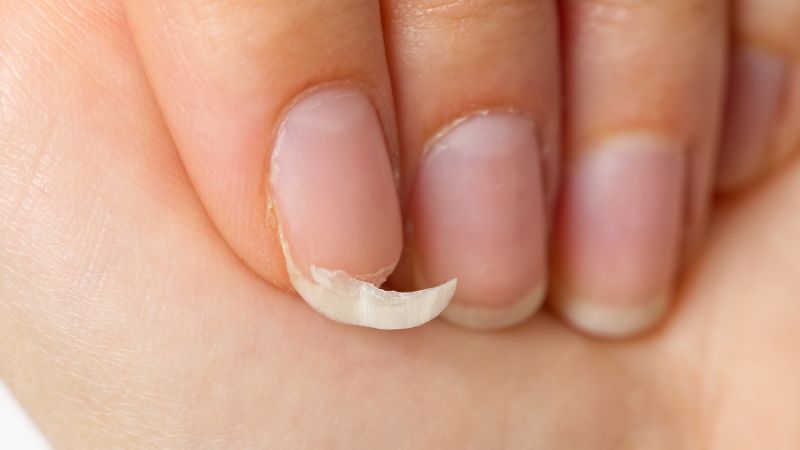
6. Clubbed Fingertips
Clubbing causes the fingertips to enlarge and the nails to curve downward around the tips.
This change usually develops gradually over time.
Potential Associations
Clubbing may sometimes occur in individuals with:
-
Chronic lung disease
-
Certain heart conditions
-
Digestive disorders
Although uncommon, clubbing should be evaluated by a healthcare professional.
7. Dark Lines Under the Nail
Dark streaks or lines beneath a nail may have several causes.
Some are harmless and result from:
-
Minor injuries
-
Pigmentation changes
However, certain dark streaks may require medical attention.
Warning Signs
Seek evaluation if a dark line:
-
Appears suddenly
-
Widens over time
-
Changes in appearance
-
Is not related to an injury
A healthcare provider can determine whether further investigation is needed.
8. Horizontal Grooves or Deep Ridges
Horizontal grooves running across the nails are known as Beau's lines.
Possible Causes
They may occur after:
-
Severe illness
-
High fever
-
Major surgery
-
Significant physical stress
These grooves develop when nail growth temporarily slows or stops.
The lines often grow out naturally as the nail recovers.
9. Pitted Nails
Pitting refers to small dents or depressions on the nail surface.
Conditions Associated With Pitting
Pitting may occur in people with:
-
Psoriasis
-
Eczema
-
Certain autoimmune conditions
Not everyone with pitted nails has a medical condition, but persistent changes should be discussed with a healthcare provider.
10. Blue or Purple Nails
Bluish nails may indicate reduced oxygen levels in the blood.
Possible causes include:
-
Poor circulation
-
Respiratory conditions
-
Heart problems
-
Exposure to cold temperatures
Emergency Situations
Sudden blue discoloration accompanied by breathing difficulties requires immediate medical attention.
What Causes Nail Changes?
Nail changes may result from many factors, including:
Aging
Natural aging often affects nail thickness and texture.
Nutrition
Deficiencies in:
-
Iron
-
Zinc
-
Protein
-
Certain vitamins
can influence nail health.
Medical Conditions
Conditions affecting:
-
The heart
-
Lungs
-
Liver
-
Kidneys
-
Thyroid
may sometimes produce nail changes.
Injuries
Even minor trauma can alter nail appearance.
Medications
Certain medications can affect nail growth and color.
How Fast Do Fingernails Grow?
Fingernails grow more slowly than many people realize.
On average:
-
Fingernails grow approximately 3 millimeters per month.
-
A complete fingernail may take 4 to 6 months to fully regrow.
Because of this slow growth, nail changes may reflect events that occurred weeks or even months earlier.
Supporting Healthy Nail Growth
Several habits can help maintain strong, healthy nails.
Eat a Balanced Diet
Focus on:
-
Fruits
-
Vegetables
-
Lean proteins
-
Whole grains
-
Healthy fats
Stay Hydrated
Proper hydration supports overall tissue health.
Protect Your Hands
Wear gloves when using harsh cleaning products.
Avoid Excessive Nail Trauma
Limit habits such as:
-
Nail biting
-
Picking at cuticles
-
Aggressive manicures
Moisturize Regularly
Moisturizing helps reduce brittleness and dryness.
When Should You See a Doctor?
Consider medical evaluation if you notice:
-
Persistent nail discoloration
-
Significant changes in shape
-
Clubbing
-
Dark streaks
-
Severe brittleness
-
Painful nail abnormalities
A healthcare provider can help determine whether the changes are related to a harmless issue or an underlying medical condition.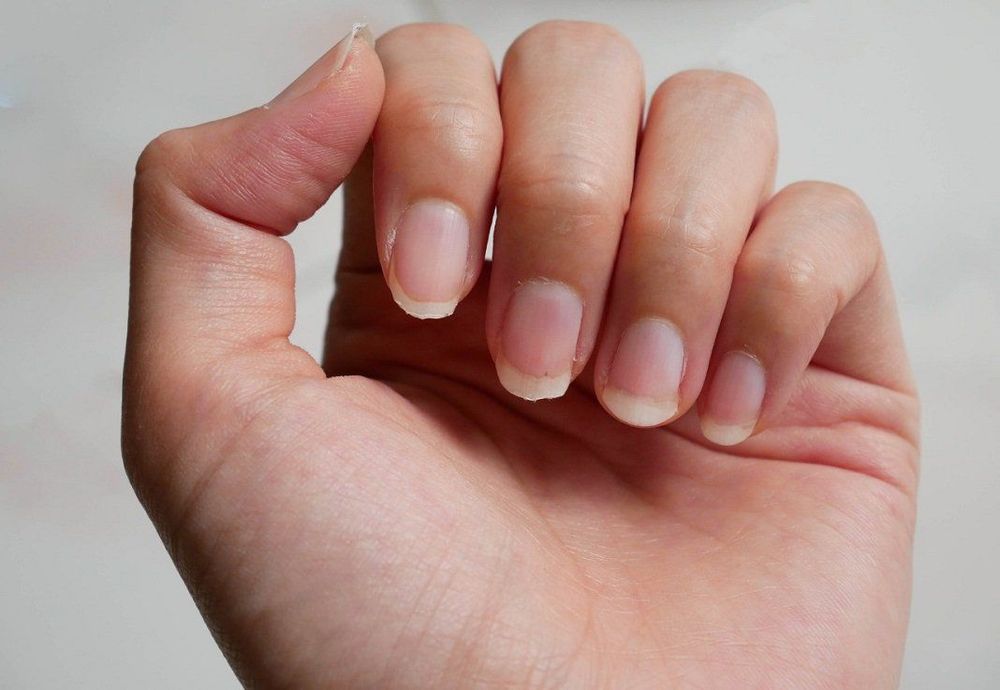
Final Thoughts
Your fingernails do much more than protect your fingertips - they can sometimes provide valuable clues about your overall health. Changes in nail color, texture, shape, thickness, or growth patterns may occasionally reflect nutritional deficiencies, medical conditions, or other health concerns.
While most nail changes are not signs of serious illness, persistent or unusual abnormalities should not be ignored. Paying attention to your nails and seeking medical advice when necessary can help identify potential issues early and support better overall health.
The next time you look at your hands, take a moment to examine your nails. They may be revealing more about your health than you realize.