It's a topic that many people rarely discuss openly, yet surveys and online discussions suggest it is more common than most would admit: urinating in the shower.
Some people view it as a harmless habit that saves water and time, while others consider it unhygienic or potentially problematic. The debate has become increasingly popular on social media, with countless videos, articles, and expert opinions weighing in on the issue.
But what actually happens when you urinate in the shower? Is it safe? Can it affect your health? Does it really save water? And are there any downsides?
Let's take a closer look at the facts.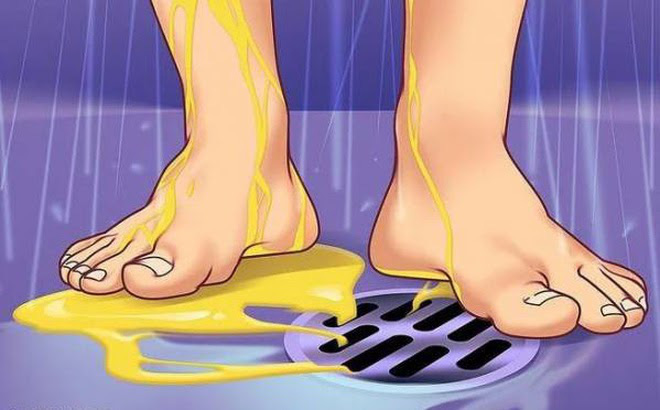
How Common Is Peeing in the Shower?
Although many people are reluctant to discuss it, various surveys have found that a significant percentage of adults admit to occasionally urinating while showering.
The reasons vary.
Some people do it because:
-
It feels convenient.
-
It saves a trip to the toilet.
-
They believe it conserves water.
-
They are already standing under running water.
Whether people consider it acceptable often depends on cultural attitudes, personal preferences, and hygiene beliefs.
What Is Urine Actually Made Of?
Many people assume urine is dirty waste, but the reality is more nuanced.
Healthy urine is composed primarily of:
-
Water (about 95%)
-
Urea
-
Salts
-
Electrolytes
-
Metabolic waste products
In healthy individuals, urine is generally sterile when it leaves the urinary tract, meaning it contains very few or no harmful microorganisms.
However, this does not mean urine is completely free of bacteria in every situation.
People with urinary tract infections or certain medical conditions may have bacteria present in their urine.
What Happens When Urine Goes Down the Shower Drain?
From a plumbing perspective, urine entering a shower drain is generally not much different from urine entering a toilet.
Both drains eventually connect to the wastewater system.
Once urine is diluted by running water, it quickly moves through the drainage system and into sewage treatment facilities.
For most residential plumbing systems, occasional urination in the shower does not create unique problems.
Does It Really Save Water?
One of the most common arguments in favor of peeing in the shower is water conservation.
Consider the Numbers
A typical toilet flush may use several liters of water depending on the toilet model.
If someone urinates during a shower instead of flushing a toilet, that flush is effectively eliminated.
Over time, some people argue this could reduce household water consumption.
However, the overall impact depends on:
-
How often it occurs
-
Toilet efficiency
-
Household size
-
Personal habits
While the water savings may not be enormous for an individual, they can add up over time.
Is It Hygienic?
This is where opinions often differ.
The Argument That It Is Hygienic
Supporters point out that:
-
Urine is mostly water.
-
Running shower water immediately rinses it away.
-
Soap and shampoo are typically being used during the shower.
As a result, many experts consider occasional urination in the shower unlikely to create major hygiene concerns for healthy individuals.
The Argument Against It
Critics argue that:
-
Urine can contain bacteria.
-
Shower floors may harbor microorganisms.
-
Not all urine immediately reaches the drain.
For shared showers, some people simply find the habit unpleasant regardless of scientific considerations.
Can Peeing in the Shower Affect Your Health?
For most healthy individuals, occasional urination in the shower is unlikely to pose significant health risks.
However, there are a few considerations worth discussing.
Urinary Tract Infections
If someone has an active urinary tract infection (UTI), their urine may contain bacteria.
In such situations, proper shower cleaning becomes more important.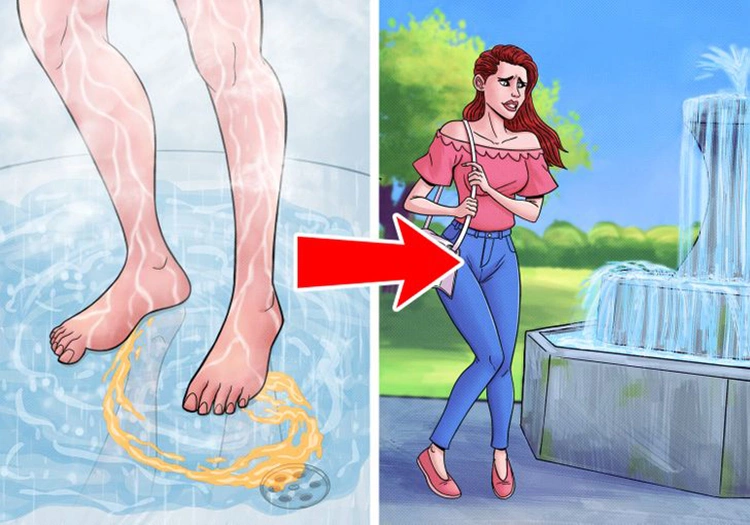
Open Cuts or Wounds
People with open wounds on their feet or legs should maintain good shower hygiene regardless of whether urine is involved.
Keeping shower surfaces clean helps reduce infection risk.
What About the Pelvic Floor?
Recently, some pelvic health specialists have raised concerns about a potential behavioral issue.
The "Running Water" Association
The brain is highly responsive to learned habits.
If someone frequently urinates while hearing running water, they may begin associating the sound of water with the urge to urinate.
Some experts suggest this could potentially contribute to:
-
Increased urinary urgency
-
Difficulty delaying urination
-
Bladder training issues
However, evidence remains limited, and more research is needed.
Is It Different for Men and Women?
Some healthcare professionals have discussed potential differences.
For Men
Standing during urination generally aligns with natural body positioning.
For Women
Some pelvic floor specialists suggest that standing while urinating may not always allow complete relaxation of pelvic muscles.
This concern is unrelated to urine itself and more related to body mechanics.
Again, the significance varies between individuals.
Does Urine Kill Fungus on Feet?
One persistent myth claims that urinating on your feet can treat athlete's foot or fungal infections.
This belief likely stems from the fact that urine contains urea.
The Reality
While urea is used in certain dermatological products, the concentration found naturally in urine is generally not sufficient to treat fungal infections effectively.
Medical treatments specifically designed for fungal infections remain far more reliable.
What About Public Showers?
Public showers introduce additional considerations.
Examples include:
-
Gym showers
-
Locker room facilities
-
Swimming pool showers
Because many people use these spaces, maintaining good hygiene is particularly important.
Public shower floors already contain moisture and microorganisms, making proper cleaning and footwear important regardless of urination habits.
The Psychological Side of the Debate
Interestingly, the topic often generates strong reactions.
Some people view it as:
-
Practical
-
Efficient
-
Environmentally friendly
Others see it as:
-
Unsanitary
-
Socially unacceptable
-
Unpleasant
Much of the disagreement comes from cultural norms rather than scientific evidence.
How to Maintain Shower Hygiene
Regardless of personal habits, keeping a shower clean is important.
Helpful practices include:
Clean Regularly
Remove soap scum, mold, and residue.
Improve Ventilation
Reduce moisture buildup that encourages mold growth.
Rinse Thoroughly
Ensure water flows properly toward the drain.
Disinfect Periodically
Especially in shared bathrooms.
These steps help maintain a hygienic environment for everyone.
Common Myths About Peeing in the Shower
Myth 1: Urine Is Completely Sterile
Not always. Healthy urine contains very few microorganisms, but it is not universally sterile in every circumstance.
Myth 2: Urine Causes Major Plumbing Damage
Normal amounts of urine generally do not damage residential plumbing systems.
Myth 3: It Causes Serious Health Problems
For healthy individuals, occasional urination in the shower is unlikely to create significant health risks.
Myth 4: It Treats Foot Infections
There is no strong evidence supporting urine as an effective treatment for fungal infections.
Should You Do It?
The answer ultimately depends on personal preference.
From a health perspective, occasional urination in the shower by healthy individuals is generally considered low risk.
However, considerations include:
-
Personal comfort
-
Household preferences
-
Shared bathroom use
-
Hygiene practices
Some people choose to avoid it entirely, while others see no issue with it.
Final Thoughts
Peeing in the shower is one of those everyday habits that generates surprisingly passionate debate. While it may seem unusual to discuss openly, the scientific reality is less dramatic than many people assume.
For most healthy individuals, occasional urination in the shower is unlikely to cause significant health or plumbing problems, especially when proper hygiene is maintained. The habit may even save a small amount of water over time.
At the same time, personal preferences, cleanliness standards, and shared living situations play an important role in determining whether it is appropriate in a particular household.
In the end, the facts suggest that peeing in the shower is far less shocking than the internet often makes it seem—but like many habits, it comes down to personal choice, good hygiene, and consideration for others who share the space.