Blood type is something most people rarely think about unless they need a blood transfusion, donate blood, or undergo a medical procedure. Yet for decades, researchers have explored whether blood type might be linked to various health conditions, including heart disease, infections, and even certain types of cancer.
One question that has attracted considerable scientific interest is whether some blood types may be associated with a lower risk of developing cancer. While blood type alone does not determine whether someone will develop cancer, studies have suggested that there may be subtle differences in risk among different blood groups.
It is important to understand that cancer is a complex disease influenced by many factors, including genetics, age, lifestyle, environmental exposures, and overall health. Blood type is only one small piece of a much larger picture.
Let's take a closer look at what current research suggests.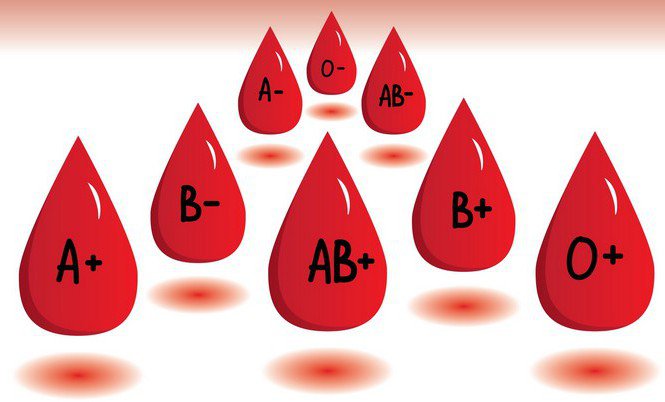
Understanding Blood Types
The ABO blood group system is the most widely recognized method of classifying blood.
The four primary blood types are:
-
Type A
-
Type B
-
Type AB
-
Type O
Each blood type is determined by specific markers, known as antigens, found on the surface of red blood cells.
People also have either:
-
Rh-positive blood
-
Rh-negative blood
Together, these classifications create familiar blood types such as:
-
O+
-
O-
-
A+
-
A-
-
B+
-
B-
-
AB+
-
AB-
Scientists have long investigated whether these blood group differences might influence disease risk.
Why Would Blood Type Affect Cancer Risk?
At first glance, it may seem strange that blood type could be related to cancer.
However, researchers believe several biological mechanisms could help explain potential connections.
These include:
Immune System Function
Blood group antigens are involved in immune system activity.
Differences in immune responses may influence how the body detects and eliminates abnormal cells.
Inflammation
Chronic inflammation has been linked to cancer development.
Some studies suggest blood types may be associated with varying levels of inflammatory markers.
Cell Communication
Blood group antigens appear on various tissues throughout the body, not just red blood cells.
These markers may influence cellular interactions that play roles in disease development.
The Blood Type Most Often Linked to Lower Cancer Risk
Many studies have suggested that people with Type O blood may have a slightly lower risk of developing certain cancers compared to those with other blood types.
What Researchers Have Observed
Several large population studies have found associations between non-O blood types and increased risk for certain cancers.
In particular, researchers have observed possible links involving:
-
Stomach cancer
-
Pancreatic cancer
-
Certain digestive system cancers
As a result, Type O blood has often been identified as the blood group associated with the lowest overall risk in some studies.
However, this does not mean Type O individuals are protected from cancer.
It simply means their statistical risk may be slightly lower for specific cancer types.
Blood Type O and Stomach Cancer
One of the most consistently studied relationships involves stomach cancer.
Research has suggested that people with:
-
Type A blood
may have a somewhat higher risk of developing stomach cancer compared to individuals with Type O blood.
Possible Explanation
Scientists believe blood group antigens may influence how certain bacteria interact with the stomach lining.
One bacterium of particular interest is:
-
Helicobacter pylori (H. pylori)
H. pylori infection is a known risk factor for stomach cancer.
Differences in blood group antigens may affect how the bacterium attaches to tissues.
Blood Type and Pancreatic Cancer
Pancreatic cancer has also been extensively studied in relation to blood type.
Several investigations have suggested:
-
Type O individuals may have a lower risk.
-
Types A, B, and AB may have slightly higher risks.
Why Researchers Are Interested
The pancreas plays important roles in digestion and blood sugar regulation.
Scientists continue to investigate how blood group genes may influence inflammation and cellular processes within the pancreas.
Blood Type and Other Cancers
Research findings become less consistent when examining other cancer types.
Studies have explored potential associations involving:
-
Colorectal cancer
-
Ovarian cancer
-
Breast cancer
-
Lung cancer
-
Liver cancer
Some studies suggest minor differences in risk, while others find no meaningful connection.
Currently, evidence remains mixed for many cancers outside the digestive system.
Important Limitations of the Research
Although these findings are interesting, they should be interpreted carefully.
Association Does Not Mean Cause
Many studies identify statistical associations rather than direct causes.
Having a particular blood type does not cause cancer.
Risk Differences Are Often Small
Even when differences exist, they are usually modest.
Lifestyle factors often have a much greater impact on cancer risk.
Multiple Factors Influence Cancer
Cancer risk depends on numerous variables, including:
-
Smoking
-
Diet
-
Physical activity
-
Alcohol consumption
-
Family history
-
Environmental exposures
-
Age
Blood type is only one of many factors.
The Biggest Cancer Risk Factors Are Not Blood Type
While headlines often focus on blood groups, the most important cancer risk factors remain largely within our control.
Tobacco Use
Smoking is one of the leading causes of preventable cancer worldwide.
Excessive Alcohol Consumption
Alcohol has been linked to several forms of cancer.
Obesity
Excess body weight increases the risk of multiple cancers.
Poor Diet
Diets low in fruits, vegetables, and whole foods may negatively affect health.
Physical Inactivity
Regular exercise helps support overall wellness and may reduce cancer risk.
Sun Exposure
Excessive ultraviolet radiation increases skin cancer risk.
Compared to these factors, the influence of blood type is relatively small.
Can Blood Type Predict Cancer?
The short answer is no.
Doctors do not use blood type as a cancer screening tool.
A person's blood type alone cannot determine:
-
Whether they will develop cancer
-
Which cancer they might develop
-
When cancer could occur
Cancer screening recommendations are based on:
-
Age
-
Family history
-
Personal medical history
-
Risk factors
rather than blood type.
What Scientists Are Learning
Although blood type is not used for diagnosis, studying blood groups may help researchers better understand disease biology.
Future research may provide insights into:
-
Cancer mechanisms
-
Immune system function
-
Personalized medicine
-
Risk assessment models
As scientific knowledge expands, blood type may become one of many factors considered in broader health assessments.
Ways to Reduce Cancer Risk Regardless of Blood Type
No matter what blood type you have, several healthy habits may help lower cancer risk.
Avoid Tobacco
Quitting smoking is one of the most effective steps for improving health.
Eat a Balanced Diet
Focus on:
-
Fruits
-
Vegetables
-
Whole grains
-
Lean proteins
Stay Physically Active
Regular exercise supports overall health.
Maintain a Healthy Weight
Weight management may reduce risk for several cancers.
Limit Alcohol
Moderation is important.
Attend Regular Screenings
Recommended screenings help detect certain cancers at earlier stages.
Common Myths About Blood Type and Cancer
Myth: Type O Blood Prevents Cancer
This is false.
People with Type O blood can still develop cancer.
Myth: Type A Blood Means You Will Get Cancer
Also false.
Most people with Type A blood never develop cancer.
Myth: Blood Type Is More Important Than Lifestyle
Lifestyle factors generally have a far greater influence on cancer risk.
Final Thoughts
Research has suggested that Type O blood may be associated with a slightly lower risk of certain cancers, particularly some cancers of the digestive system. However, blood type is only one small factor among many that influence cancer risk.
The differences observed in studies are generally modest, and having a particular blood type does not guarantee protection or predict disease. Factors such as smoking, diet, physical activity, alcohol use, obesity, and family history remain far more important determinants of overall cancer risk.
Rather than focusing solely on blood type, the best approach is to prioritize healthy lifestyle habits, stay informed about recommended cancer screenings, and work with healthcare professionals to manage individual risk factors. While blood type may offer fascinating insights into human biology, it is only one piece of the much larger puzzle of health and disease.