Most people are familiar with the sound of their heartbeat during exercise, moments of stress, or after climbing a flight of stairs. However, some individuals notice something unusual when they lie down at night: they can hear or feel their heartbeat more prominently than normal.
For some, it sounds like a rhythmic "whooshing," pulsing, or thumping in the ears. Others describe it as being unusually aware of their heartbeat while trying to fall asleep. While this experience is often harmless, persistent or recurring symptoms can sometimes signal an underlying health condition that deserves medical attention.
Understanding the possible causes can help you determine when this sensation is normal and when it may be worth discussing with a healthcare professional.
Why Can You Hear Your Heartbeat When Lying Down?
When you lie down, changes occur in blood flow, circulation, and body position.
Several factors may make your heartbeat more noticeable:
-
Reduced background noise at night
-
Increased awareness while resting
-
Changes in blood circulation
-
Blood vessels becoming closer to the ear structures
-
Temporary increases in heart rate
In many cases, hearing your heartbeat occasionally is not a cause for concern.
However, if it becomes frequent, loud, or persistent, it may indicate that something else is happening in the body.
What Is Pulsatile Tinnitus?
One common explanation for hearing your heartbeat is a condition called pulsatile tinnitus.
Unlike traditional tinnitus, which often causes ringing or buzzing sounds, pulsatile tinnitus creates a rhythmic sound that matches the heartbeat.
People often describe it as:
-
Thumping
-
Whooshing
-
Pulsing
-
Beating sounds
The sound may occur in one ear or both ears.
Why It Happens
Pulsatile tinnitus is often related to blood flow near the ear.
Changes in blood circulation may make blood movement more audible than usual.
Although many causes are harmless, persistent pulsatile tinnitus should be evaluated by a healthcare provider.
1. High Blood Pressure
One of the most common medical causes of hearing your heartbeat is elevated blood pressure.
High blood pressure forces blood through arteries with greater force, creating stronger blood flow that may become noticeable in the ears.
Additional Symptoms May Include
-
Headaches
-
Dizziness
-
Fatigue
-
Blurred vision
Many people with high blood pressure experience no symptoms at all, which is why it is often called the "silent killer."
Regular blood pressure checks are important for early detection.
2. Stress and Anxiety
Mental health can significantly influence how we perceive bodily sensations.
During periods of stress or anxiety:
-
Heart rate may increase
-
Blood pressure may temporarily rise
-
Awareness of internal body sensations may become heightened
As a result, some individuals become more conscious of their heartbeat while resting.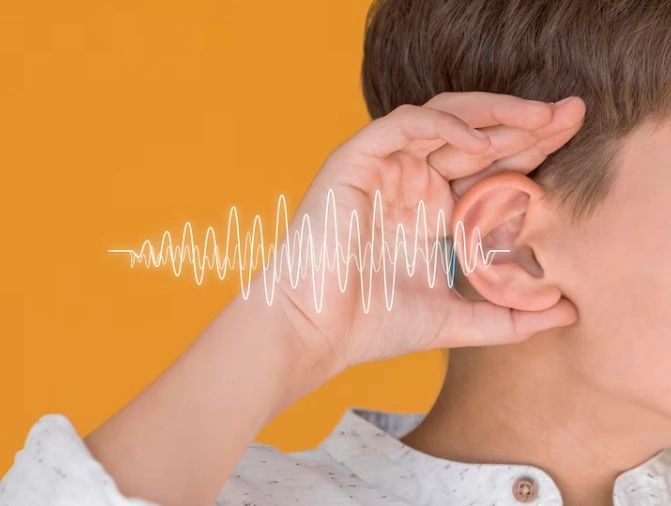
Common Associated Symptoms
-
Difficulty sleeping
-
Restlessness
-
Muscle tension
-
Racing thoughts
Managing stress through relaxation techniques may help reduce these sensations.
3. Anemia
Anemia occurs when the body lacks enough healthy red blood cells to carry oxygen efficiently.
To compensate, the heart may work harder to circulate blood throughout the body.
This increased workload can sometimes make the heartbeat more noticeable.
Symptoms of Anemia
-
Fatigue
-
Weakness
-
Shortness of breath
-
Pale skin
-
Dizziness
Blood testing can often identify anemia and help determine its underlying cause.
4. Thyroid Disorders
An overactive thyroid gland, known as hyperthyroidism, can increase metabolism and cardiovascular activity.
Potential Symptoms Include
-
Rapid heartbeat
-
Palpitations
-
Weight loss
-
Excessive sweating
-
Nervousness
People with thyroid disorders may become more aware of their heartbeat, particularly when lying quietly at night.
5. Heart Rhythm Abnormalities
Certain heart rhythm disorders can cause noticeable heartbeat sensations.
These conditions may include:
-
Atrial fibrillation
-
Premature heartbeats
-
Tachycardia
Warning Signs
-
Fluttering sensations
-
Irregular heartbeat
-
Chest discomfort
-
Lightheadedness
Persistent or unusual heart rhythm symptoms should always be evaluated by a healthcare professional.
6. Blood Vessel Changes Near the Ear
In some cases, abnormalities involving blood vessels can contribute to pulsatile tinnitus.
Examples may include:
-
Narrowed arteries
-
Abnormal blood vessel connections
-
Increased blood flow near the ear
Although these conditions are relatively uncommon, they can sometimes cause persistent heartbeat sounds.
Medical imaging may be required to identify these issues.
7. Pregnancy
Pregnancy causes major changes in blood volume and circulation.
During pregnancy:
-
Blood volume increases
-
Heart rate may rise
-
Circulation becomes more active
Some pregnant women notice a stronger awareness of their heartbeat, particularly during rest.
This is often temporary and resolves after delivery.
When Hearing Your Heartbeat Is Usually Harmless
Occasional awareness of your heartbeat may simply be related to:
-
Lying on one side
-
Sleeping in a quiet room
-
Recent exercise
-
Temporary stress
-
Caffeine consumption
In these situations, symptoms often improve naturally.
Symptoms That Should Not Be Ignored
While occasional heartbeat awareness is common, certain symptoms require medical evaluation.
Seek medical attention if you experience:
-
Persistent pulsing sounds
-
Hearing changes
-
Severe headaches
-
Dizziness
-
Fainting
-
Chest pain
-
Shortness of breath
-
Irregular heartbeat
These symptoms may indicate an underlying condition that requires treatment.
How Doctors Investigate the Cause
Healthcare providers may recommend several tests depending on your symptoms.
Physical Examination
The doctor may listen to your heart and blood vessels.
Blood Pressure Measurement
Elevated blood pressure is a common cause of pulsatile symptoms.
Blood Tests
These may check for:
-
Anemia
-
Thyroid disorders
-
Infection
-
Metabolic conditions
Hearing Tests
Audiology evaluations may help identify ear-related causes.
Imaging Studies
Depending on the situation, imaging may include:
-
Ultrasound
-
CT scans
-
MRI scans
These tests can help identify blood vessel abnormalities or structural problems.
Lifestyle Habits That Support Cardiovascular Health
Maintaining good heart and circulation health may reduce the likelihood of symptoms related to blood flow.
Helpful habits include:
Regular Exercise
Physical activity supports healthy circulation.
Balanced Nutrition
A diet rich in:
-
Fruits
-
Vegetables
-
Whole grains
-
Lean proteins
can support cardiovascular health.
Stress Management
Relaxation techniques may help reduce heart rate and improve sleep quality.
Limiting Excess Caffeine
Some people are particularly sensitive to caffeine's effects on the heart.
Adequate Sleep
Quality sleep supports healthy cardiovascular function.
Can Hearing Your Heartbeat Be Prevented?
Prevention depends on the underlying cause.
For many individuals, managing risk factors such as:
-
High blood pressure
-
Obesity
-
Smoking
-
Stress
-
Poor sleep
may help reduce symptoms.
Regular medical checkups are also important for identifying problems before they become more serious.
Final Thoughts
Hearing your heartbeat while lying down is often harmless and may simply reflect increased awareness of normal bodily functions in a quiet environment. However, persistent or recurring heartbeat sounds - especially when accompanied by other symptoms—can sometimes signal an underlying health issue involving circulation, blood pressure, thyroid function, anemia, or the cardiovascular system.
Paying attention to changes in your body is important. If the sensation becomes frequent, disruptive, or occurs alongside symptoms such as dizziness, chest pain, hearing changes, or shortness of breath, it is wise to seek medical advice.
Your body often provides subtle clues when something needs attention. Listening to those signals and acting early can play an important role in maintaining long-term health and well-being.