
Neck pain, woman shocked to see something sticking out
Neck pain, woman shocked to see something sticking out
Health 08/02/2026 00:20
Hunger is often treated as something to fight or suppress, but in reality it is one of the body’s most intelligent communication systems. When you feel hungry, your physiology is signaling that it needs fuel. The question is not whether to eat — it is what kind of nourishment will sustain you most effectively.
Protein plays a particularly important role in this equation.

Compared with carbohydrates and fats, protein tends to promote a stronger sense of satiety — the feeling of comfortable fullness that helps you remain energized between meals. This occurs partly because protein influences several appetite-regulating hormones, encouraging the brain to recognize that adequate nourishment has been received.
Digestion speed is another factor. Protein generally takes longer for the body to break down, creating a steadier release of energy rather than a rapid spike followed by a noticeable drop.
Many people are familiar with the mid-afternoon slump — that dip in alertness that can make concentration feel harder than it should. While multiple factors contribute to energy fluctuations, meal composition is often one of them. When meals lack sufficient protein, hunger may return sooner, sometimes accompanied by cravings for quick sources of fuel.
Including protein does not require dramatic dietary changes. Small, consistent additions can make a meaningful difference:

Eggs or Greek yogurt at breakfast
Beans, lentils, or tofu in grain bowls
Nuts and seeds as snacks
Fish, poultry, or plant-based proteins at dinner
Balance matters more than excess. The body benefits from distribution throughout the day rather than consuming most protein in a single meal.
Protein also supports muscle maintenance, immune function, and tissue repair — reminders that nourishment is rarely about one isolated outcome.
It is important, however, to approach nutrition with flexibility rather than rigid rules. Needs vary based on age, activity level, and overall health. What remains consistent is the body’s appreciation for steady fuel.

Think of protein less as a dietary trend and more as structural support — something that helps your internal systems operate smoothly.
When meals provide lasting satisfaction, the mind often feels calmer as well. Decisions around food become less urgent, less reactive.
Energy, after all, is not just about stimulation. It is about stability.
And sometimes, that stability begins with what is quietly sustaining you from within.
Neck pain, woman shocked to see something sticking out
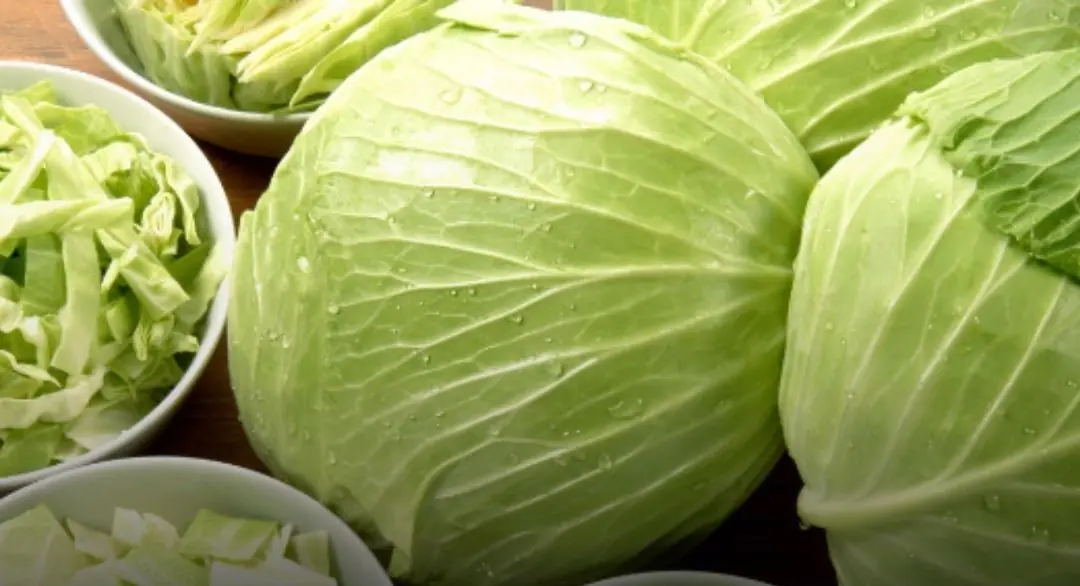
Cabbage Is Very Good for Your Health — But These 4 Types of People Should Not Eat It
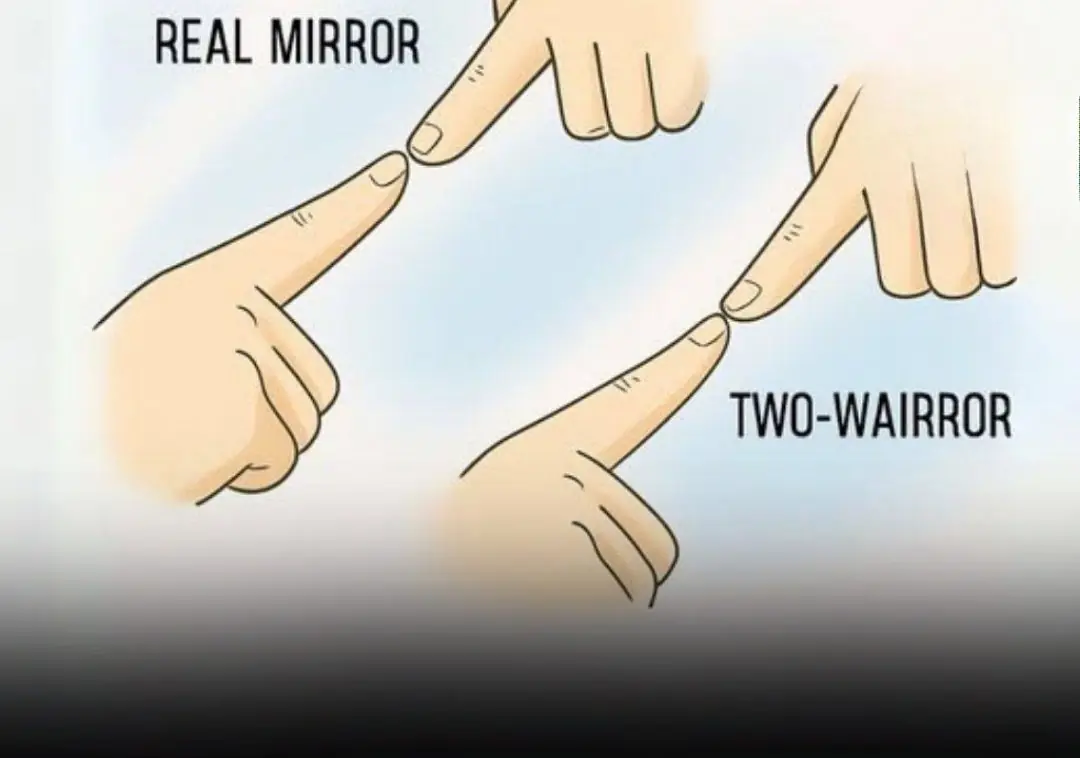
Behind the Glass Lies a Secret: What You Never Knew About Two - Way Mirrors
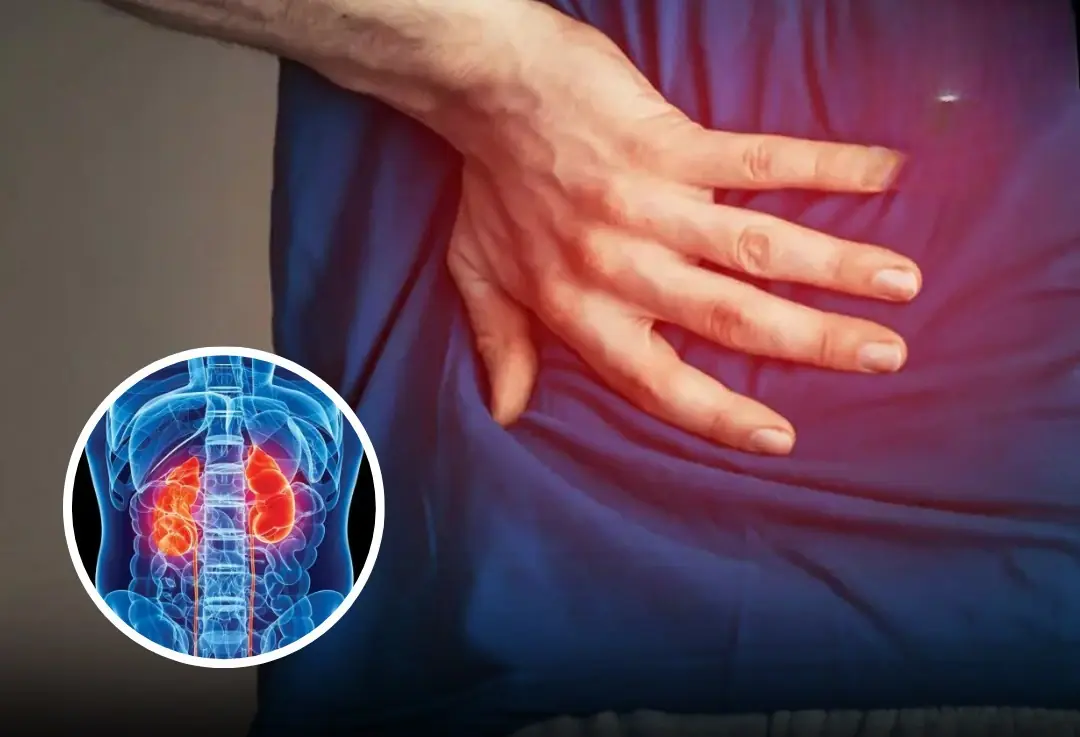
5 Silent Night Symptoms That May Indicate Kidney Dam:age
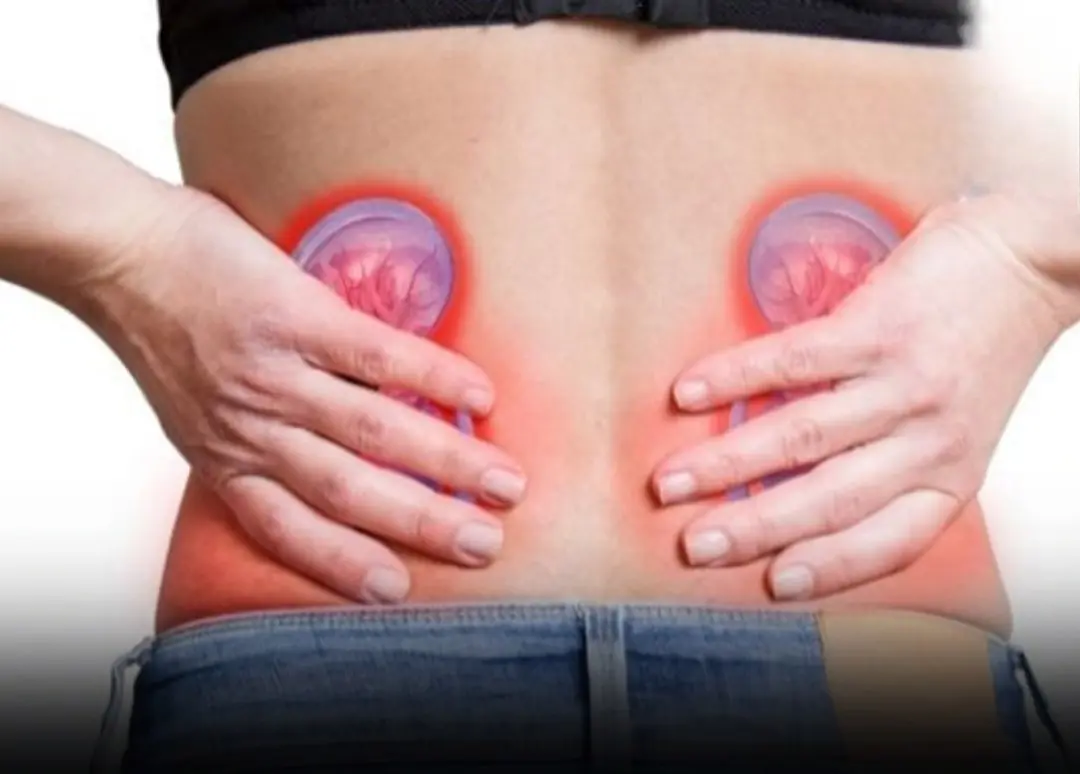
4 Simple Waters That Can Help Treat Kidney Stones Naturally
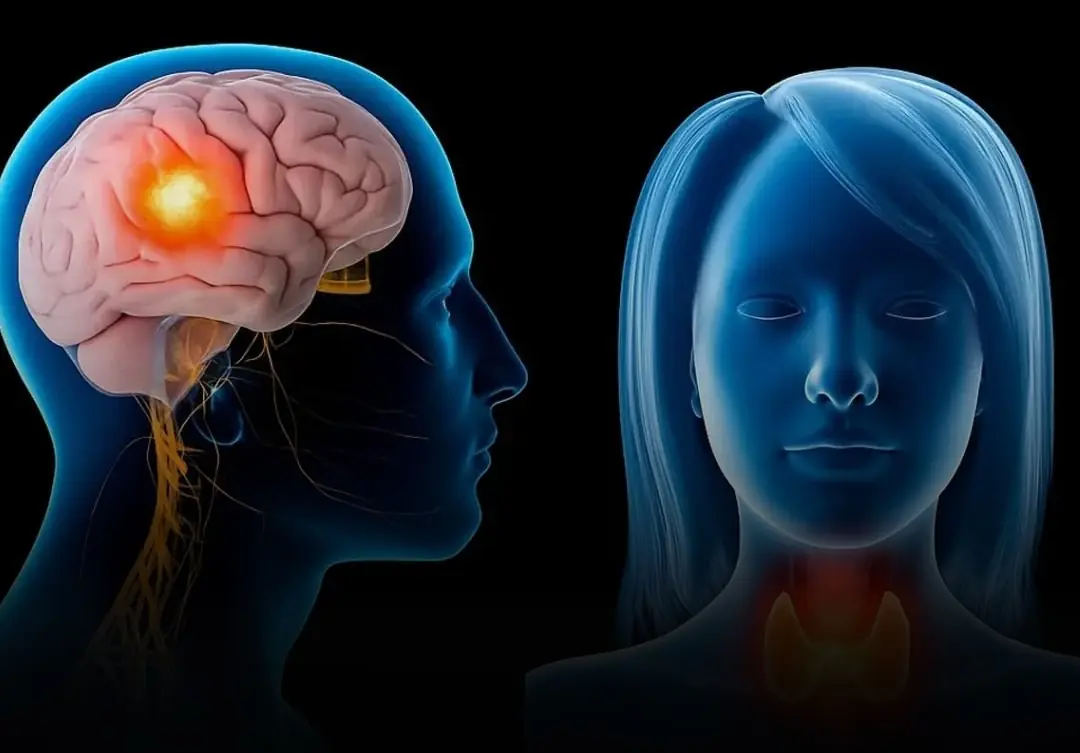
Your Guide to Head & Neck Canc3r: What Raises Your Risk, What Symptoms to Watch For, and How to Stay Safe
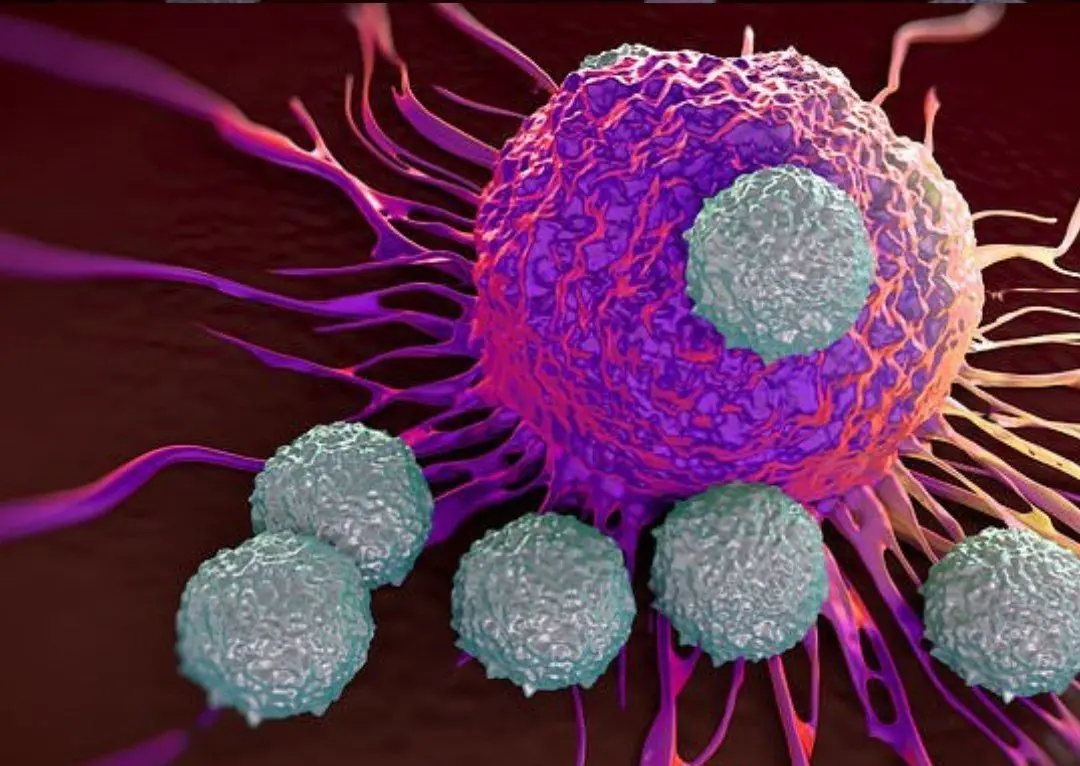
7 foods that support your body in fighting can.cer
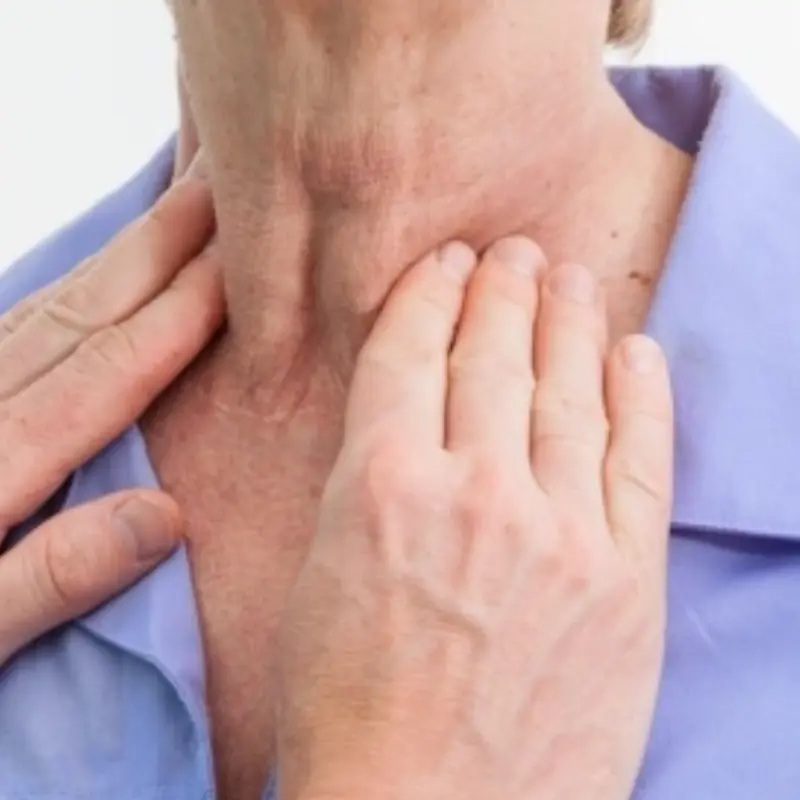
Six everyday foods could quietly disrupt your thyroid health.
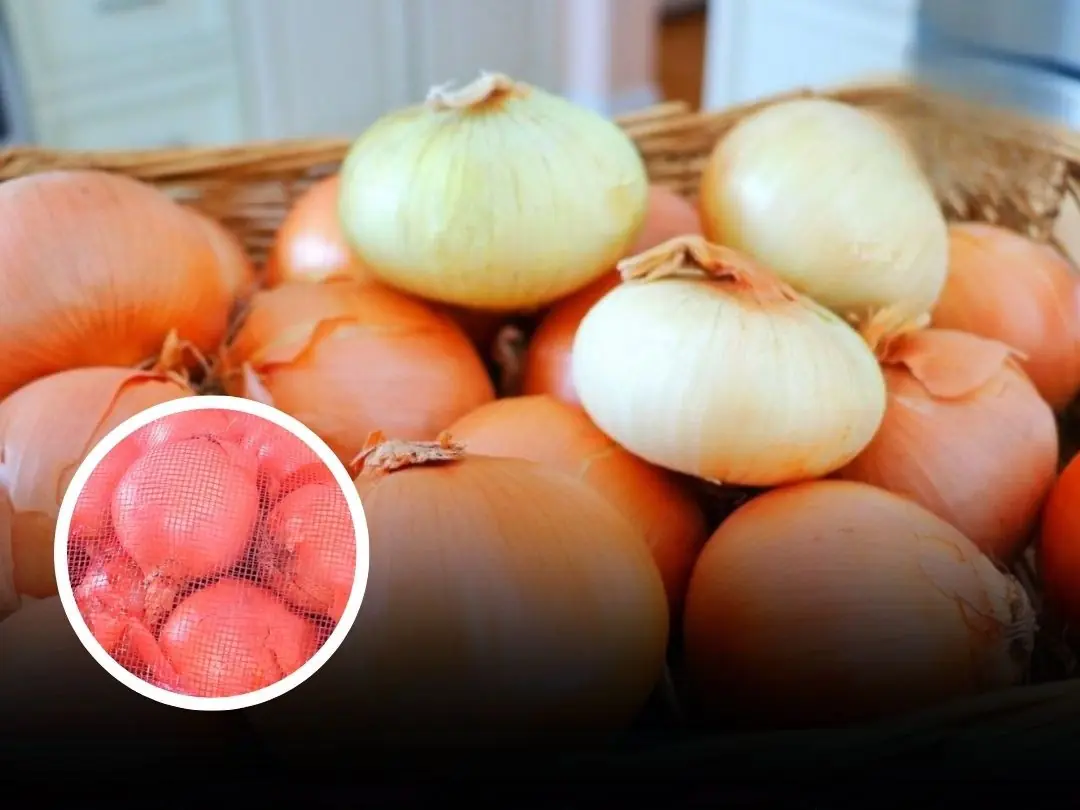
You’re Probably Storing Onions Wrong — Here’s Why They Don’t Belong in the Fridge
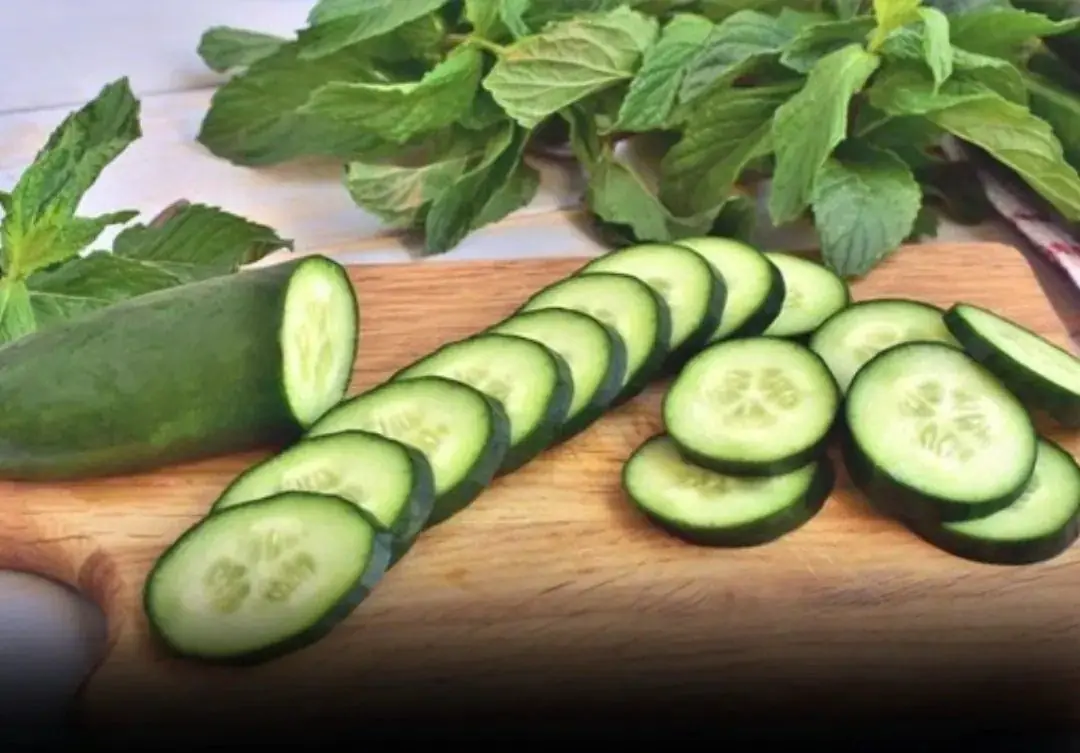
4 groups of people should avoid eating cucumbers
The “3 Don’ts” After Eating and “4 Don’ts” Before Sleep — Simple Habits Linked to Stroke Prevention
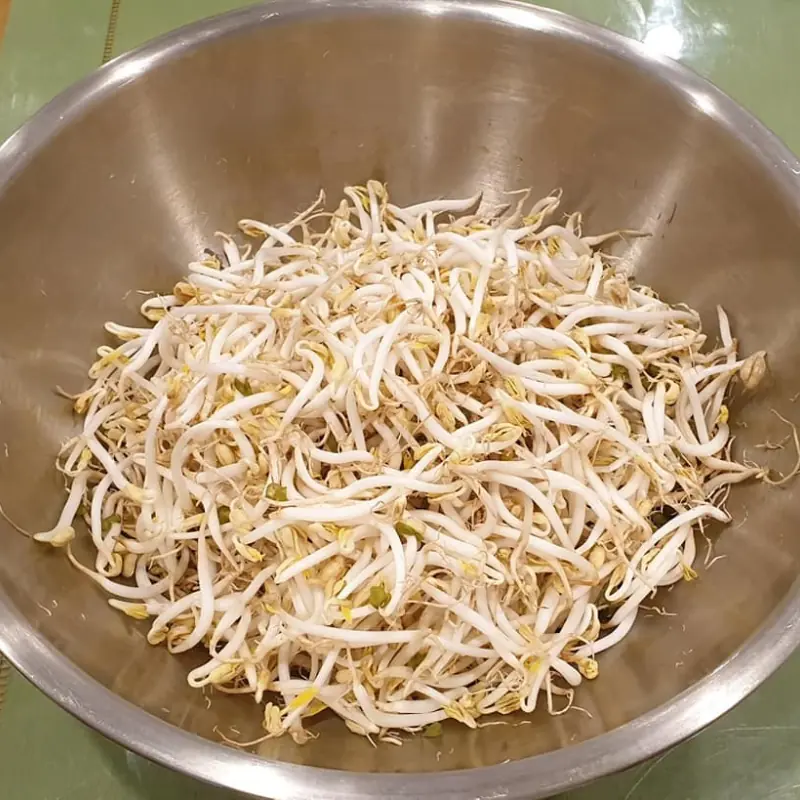
Common vegetables may affect liver health if eaten incorrectly.

Not Everyone Should Eat Jackfruit — These 5 People Should Avoid It

Leftovers can be risky — some foods turn unsafe overnight.





Neck pain, woman shocked to see something sticking out
Cabbage Is Very Good for Your Health — But These 4 Types of People Should Not Eat It
Behind the Glass Lies a Secret: What You Never Knew About Two - Way Mirrors
5 Silent Night Symptoms That May Indicate Kidney Dam:age
4 Simple Waters That Can Help Treat Kidney Stones Naturally
Your Guide to Head & Neck Canc3r: What Raises Your Risk, What Symptoms to Watch For, and How to Stay Safe

I invited my brother and his family for dinner! Can you manage?” — the husband announced happily to his pregnant wife
7 foods that support your body in fighting can.cer
Six everyday foods could quietly disrupt your thyroid health.
You’re Probably Storing Onions Wrong — Here’s Why They Don’t Belong in the Fridge
4 groups of people should avoid eating cucumbers
The “3 Don’ts” After Eating and “4 Don’ts” Before Sleep — Simple Habits Linked to Stroke Prevention
Common vegetables may affect liver health if eaten incorrectly.
Not Everyone Should Eat Jackfruit — These 5 People Should Avoid It
Leftovers can be risky — some foods turn unsafe overnight.