
The First Three Colors You See May Reveal the Emotional Burden You Carry
Your Eyes Go Here First—What Could It Mean?
Tips 02/07/2026 14:29
You think the toilet is the dirtiest place in the house, but in fact, many tools you use every day have many times more bacteria on their surfaces.
Toothbrush
According to a study at the University of Manchester, UK, the average toothbrush contains about 10 million bacteria, including staphylococcus and E. coli.
The bathroom environment is humid and not well-ventilated, so bacteria can easily grow. Don't be surprised when the number of bacteria on the toothbrush is even higher than on the toilet, even up to tens of millions. You should replace your toothbrush every 6-8 weeks.
If you notice that the base of your toothbrush has changed color, has black or yellow plaque, it means that there is too much dirt accumulated and you should throw it away immediately.

Shower Head
The showerhead is home to the bacteria Malassezia stricta, which causes scalp infections, as well as Pseudomonas aeruginosa, which can lead to ear infections. In fact, a type of bacteria found in bathroom showerheads that causes pneumonia when inhaled is Legionella. According to the US Centers for Disease Control and Prevention (CDC), one in 10 people who get this disease die.
The shower drain in the bathroom has a lot of hidden bacteria, and dirt is easy to accumulate. An unclean showerhead contains more bacteria than toilet water, and it can even penetrate the skin and hair of the body, becoming a medium for transmitting bacteria. Therefore, cleaning the showerhead is very necessary.
Refrigerator door handle
According to reports, the refrigerator contains 11.4 million bacteria per square centimeter, dirtier than a toilet. The main pathogenic bacteria include Salmonella, Listeria, Escherichia coli, Staphylococcus aureus.
Every day you open and close the refrigerator many times. According to research, there is a large amount of dangerous bacteria such as E. coli, Pseudomonas hiding on the refrigerator door handle. Therefore, the refrigerator door handle needs to be cleaned regularly to prevent the growth of bacteria.
Washing machine
The washing machine has a humid environment, where bacteria are very easy to grow, especially if you choose the normal washing mode instead of hot water.
Research by Dr. Ricarda M. Schmithausen, University of Bonn, Germany, shows that many bacteria survive the washing process. Bacteria grow in rubber gaskets and then spread through the washing and rinsing cycle. Germs such as E. coli, salmonella and klebsiella oxytoca can cause pneumonia, skin infections, intestinal cramps, vomiting and diarrhea, especially in people with weak immune systems, vulnerable
Therefore, it is advisable to clean the washing machine regularly, leave the device in a well-ventilated, bright place to help reduce bacterial attacks.
Cutting board
The total number of bacteria on the surface of a wooden cutting board used in two months is 12 times higher than that of a toilet. Research shows that cutting boards have many bacteria such as salmonella, E. coli, and aflatoxin.
Use different cutting boards for raw and cooked foods, and wash them with dishwashing liquid after use. You can also disinfect them regularly with 75% alcohol or 200 ppm bleach.
Household cleaning cloths
The bacteria content on cloths is as high as 875 million per cm2. Studies show that nearly 90% of towels are contaminated with Coliform bacteria. This type of bacteria is found in both the digestive system or feces of animals and humans. It is worth noting that up to 14% of towels contain E. coli bacteria, which is the culprit causing dangerous digestive diseases such as diarrhea, dehydration leading to kidney failure and possibly death.
Therefore, it is necessary to soak socks in bleach, boiling water or dry them in the sun regularly. This will prevent bacteria from surviving. If you see moldy or yellowed towels, it is best to throw them away and replace them with new towels.
Light switches
Although this is a place that is difficult for anyone to think of as a place where many bacteria reside, in fact, this device carries a lot of bacteria and is not really clean. Every time the light switch comes into contact with a finger, it adds 217 bacteria per square inch and gradually accumulates. In particular, the light switches in public restrooms contain even more germs and bacteria. Be sure to clean them every day. Before and after turning on the switch, you should clean your hands.
Your Eyes Go Here First—What Could It Mean?

Not All Fish Are Equal—These Six Deserve Extra Caution
Think a Water Bottle Is Harmless? Think Again

5 Common Plants That May Encourage Snakes to Visit Your Garden

Could Your Birth Month Reveal Your Relationship Style?
7 Natural Tips to Fight Tooth Decay and Maintain a Healthy, Radiant Smile

Apple Cider Vinegar: 12 Popular Uses Backed by Tradition and Research

6 Surprising Things Your Phone's Volume Buttons Can Actually Do

Why You Should Cut a Lemon into 4, Add Salt, and Leave It in Your Room Overnight
A simple hotel-room trick that may improve hygiene and peace of mind.

This tiny piece of jewelry has over 4,000 years of history.

Curious About the Kamitetep? Here's What You Should Know About This Remarkable Moth

Age alone doesn't determine driving ability—health and safety matter most.

Small everyday changes may reveal important health concerns in older adults.

A Fun Personality Test That Starts With Just Three Beautiful Cups.

7 Popular Beauty Uses for Coconut Oil and What You Should Know


Some Plants May Attract the Animals That Snakes Feed On - Here's What to Know
Most Refrigerator Leaks Have Simple Fixes!

Boiled Lemon Peel Water: A Simple Drink With Potential Health Benefits

Could This Be an Early Warning Sign of a Stroke? What You Need to Know

😳 Millions of People Drink Water This Way Without Questioning It
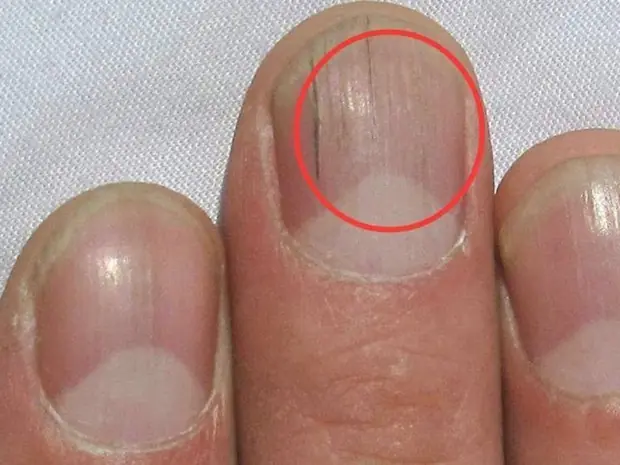
💙 After 40, Your Nails May Reflect More Than Just Your Beauty Routine

Bedbug Infestations: Causes, Signs, and Effective Control Methods
Your Eyes Go Here First—What Could It Mean?
🚑 Doctors Say These 5 Warning Signs May Appear Before a Heart Attack

🤔 What Happens to Your Body When You Sleep on Your Right Side?

Okra Could Be Helping Your Health—or Causing Problems If You're in These 3 Groups
Not All Fish Are Equal—These Six Deserve Extra Caution
🥚 Start Your Day With Eggs? Here's What It Could Mean for Your Health
Milk Cartons vs. Soda Cans: Which Design Is Actually Smarter?

Could Your Morning Meal Be Hurting Your Health?
Think a Water Bottle Is Harmless? Think Again

Tomatoes are packed with nutrients that support overall health every day.

Do You Sleep on Your Side? Here’s the Powerful Effect One Simple Change Can Have on Your Body
A 62-Year-Old Man Developed Colon Cancer Due to 3 “Harmless” Daily Habits Many People Have

Fatty Liver Disease: The Warning Signs in Your Feet You Should Never Ignore

⚠️ Doctors Explain How Sleeping on Your Right Side May Affect Your Body

👃 Dogs Can Detect Body Odors Humans Can't—Here's Why They May Sniff Your Groin