Recently, alarming claims have circulated online suggesting that certain fruits can “nourish” cancer cells and should be avoided at all costs. Doctors say the wording is often exaggerated, but they also stress that how fruits are grown, stored, and consumed does matter — especially for people at higher health risk.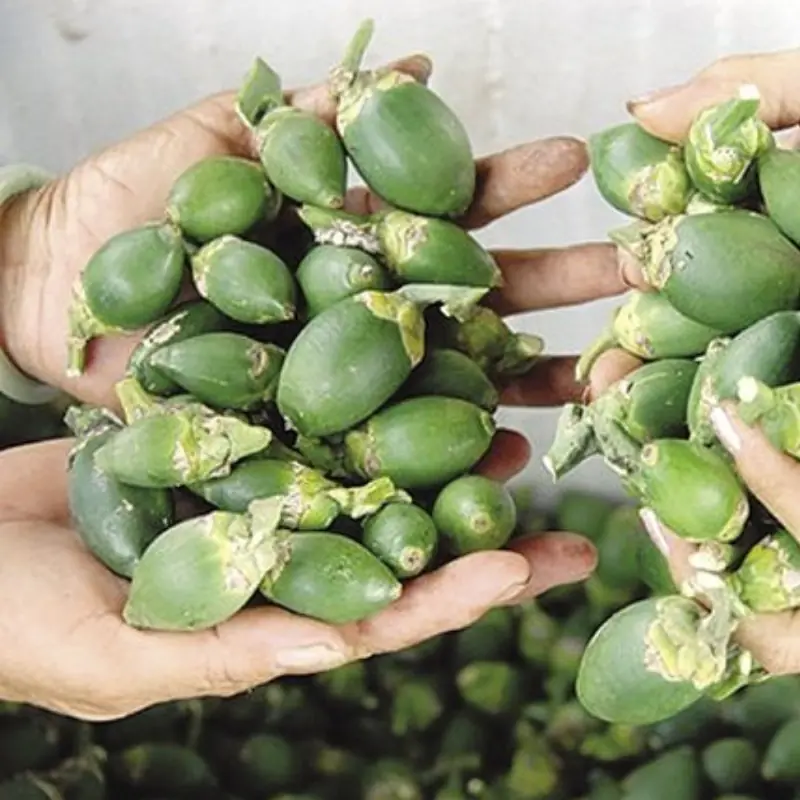
Do Fruits Really “Feed” Cancer Cells?
Medical experts clarify that no fruit directly causes cancer. However, some fruits may increase health risks indirectly when they are:
-
Heavily contaminated with pesticides
-
Preserved with chemicals
-
Overripe, moldy, or poorly stored
-
Consumed excessively in processed or sugary forms
Cancer cells thrive on glucose, but so do healthy cells. The issue is not fruit itself, but excess sugar intake, toxins, and long-term exposure to harmful substances.
1. Overly Sweet, Processed Fruit Products
Canned fruits in syrup, candied fruits, and fruit juices with added sugar can cause rapid blood sugar spikes. Doctors warn that chronic high blood sugar may contribute to inflammation and metabolic conditions linked to increased cancer risk.
2. Fruits With High Pesticide Residues
Some fruits are more likely to retain pesticide residues if not washed or peeled properly. Long-term exposure to certain chemicals has been associated with higher cancer risk in multiple studies.
3. Moldy or Damaged Fruits
Fruits that are bruised, rotten, or moldy may contain mycotoxins, such as aflatoxins, which are known to increase the risk of liver cancer. Cutting away the moldy part is not enough — the toxins may already have spread.
4. Poorly Stored, Imported Fruits
Cheap fruits stored for long periods may be treated with preservatives or wax coatings to improve appearance. Doctors advise caution, especially when fruit smells unusual or tastes unnatural.
How to Eat Fruit Safely
Health experts recommend:
-
Choosing fresh, seasonal fruits
-
Washing thoroughly under running water
-
Peeling when possible
-
Avoiding fruit that is moldy or overly sweetened
-
Eating fruit in moderation as part of a balanced diet
The Bottom Line
Fruits are essential for health and provide fiber, vitamins, and antioxidants that can help protect against disease. The real danger lies not in fruit itself, but in poor quality, contamination, and excessive sugar intake. Being selective and mindful is far more important than avoiding fruit altogether — no matter how cheap or tempting it may seem.