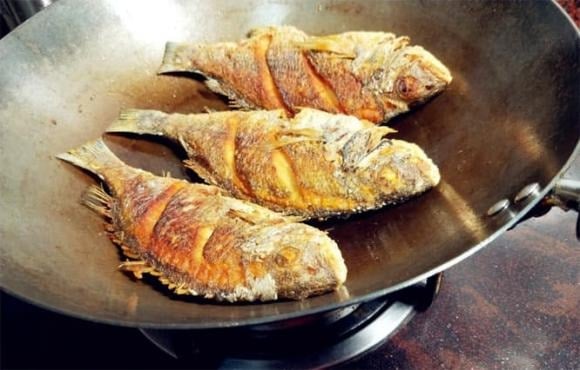
Frying Fish Without Oil Splatter or Breaking: Experts Reveal Tips for Golden, Crispy Fish That Doesn’t Absorb Excess Oil
Frying fish may seem simple, but many people still struggle with oil splattering everywhere, fish sticking to the pan, or the flesh breaking apart. Culinary experts share two key principles that help you achieve beautifully golden, crispy fish that doesn’t soak up oil and retains its full flavor.
Fried fish is a favorite dish for many because of its crispy golden skin and tender, naturally sweet flesh inside. However, during cooking, it’s common for the skin to stick to the pan or tear due to uneven heat distribution and friction with the pan’s surface. When the skin rips while flipping, the exposed flesh absorbs more oil, making the dish less visually appealing and less flavorful.
In home kitchens, serving a perfectly intact, evenly golden piece of fried fish is something many cooks take pride in. Some people coat the fish lightly in flour or cornstarch to absorb moisture and reduce sticking. This method makes the fish easier to flip and less likely to break.
However, from a culinary expert’s perspective, coating fish in flour before frying turns the dish into crispy battered fish rather than traditional pan-fried fish. The flour layer can absorb more oil, alter the fish’s natural flavor, and sometimes become soggy, reducing the desired crispness.
In fact, you can fry fish until golden and crispy without sticking — and without using flour. By applying a few simple tips, you won’t have to worry about torn skin or oil splattering the next time you step into the kitchen.
Use Stillness to Stay in Control
When frying fish, you don’t need a large amount of oil — less than half a teaspoon is enough. There’s no need to coat the fish in flour or pat it excessively dry. Once you place the fish in the pan, don’t rush to move it. If it sticks slightly at first, that’s normal. Gently shake the pan until the fish naturally releases from the bottom and moves more freely. Only then should you increase the motion or flip it.
Before flipping, stabilize the shape of the fish to avoid tearing the skin. Once the surface has firmed up, flipping becomes easier and the skin will remain intact.
Method 1: Oil First, Salt After
Heat the pan, add oil, and let it become very hot. Then add about half a spoon of salt. Wait until the salt fully dissolves, remove the pan from the heat, and swirl it so the oil coats the entire surface. This step helps “smooth” the pan. After that, place the fish in and fry — it will be less likely to stick.
Method 2: Brush Oil Onto the Fish
Before frying, brush a thin layer of oil directly onto the fish. Heat the pan for about 10 seconds, then lower the heat and add the fish. Gently shake the pan. This method helps prevent breaking and keeps the fish intact when flipping.
Method 3: Cover the Pan
Once the oil is hot, reduce the heat and add the fish. If the fish is slightly moist, the oil may splatter. In this case, cover the pan to prevent splashing. When the heat subsides, remove the lid and continue frying as usual.
This method improves safety and convenience, especially for beginners. However, you should not intentionally fry fish that contains excessive water.
Method 4: Alternate Heat and Rest
Heat the oil, then turn off the stove. Add the fish, cover the pan, and cook over medium heat for about one and a half minutes. Turn off the heat and wait one minute. Remove the lid, flip the fish, and cook for another one and a half minutes. Turn off the heat again, wait one more minute, then remove the fish to a plate.
The total cooking time is about six minutes, suitable for both beginners and experienced home cooks.
Why Does Fish Stick to the Pan?
Compared to pork or beef, fish skin loses moisture and changes color quickly when exposed to high heat, making it easier to separate from the flesh. If the pan surface is rough or lacks sufficient oil, friction increases, making it harder for the fish to release. Additionally, if the oil is not hot enough, the fish remains in contact with the pan too long before the surface firms up, which increases the chance of sticking.
Notes
If you’re not comfortable flipping fish by shaking the pan, use a wide spatula or spoon instead.
Rubbing ginger onto the pan is not always effective.
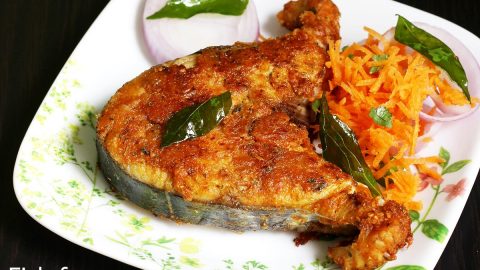
Pan-seared fish and deep-fried fish are two different cooking methods.
Avoid using too much oil if you want to maintain the traditional style of pan-fried fish.
In the end, techniques are only part of the process. Skill and patience in the kitchen are what truly determine whether you achieve perfectly golden, crispy fish that stays intact and doesn’t absorb excess oil.