Have You Ever Wondered About the Color Strip on Toothpaste Tubes? Turns Out, the World Got It All Wrong
You've been using toothpaste your whole life—but have you ever noticed the little color strip at the bottom of the tube?
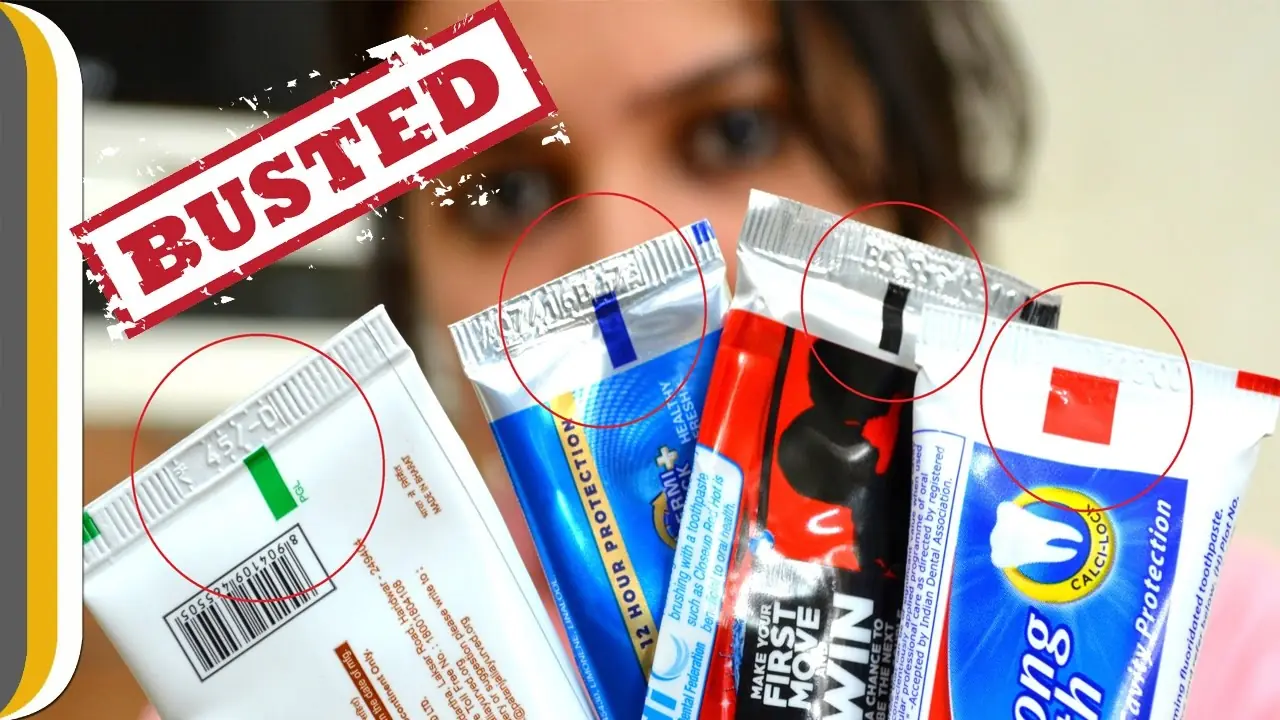
That Little Color Strip – Ever Wonder What It Means?
Every time you brush your teeth, you grab the tube, squeeze out the paste, and brush away. But have you ever looked closely at that tiny colored strip at the end of the tube? Blue, red, black, white – they sit there quietly, almost like they’re trying to tell you something.
Many people assume these colors are just part of the design—but the truth behind them is quite surprising. In fact, the whole world has misunderstood them for years. Are you one of them?

The “Legendary” Rumor That’s Totally False
You may have heard the popular myth: a blue strip means the toothpaste is “natural,” red means “chemical,” and black means “toxic.” Sounds dramatic, but it’s completely wrong!
Toothpaste manufacturers have made it clear: these colored strips have nothing to do with the ingredients.
They are simply technical markers—called “eye marks”—used by machines during production to identify where to cut, fold, and seal the tube. The color choice is purely for design or printing alignment and does not represent any kind of “secret code.”
Despite being debunked, this myth has circulated for decades, leading people to feel confused and even anxious when choosing toothpaste at the store.
The Factory Secret Behind the Color Strip
Millions of toothpaste tubes are produced every day, moving through automated assembly lines. That tiny color strip acts as a signal for sensors, helping machines cut the tube to the right size and seal it properly.
Without this mark, tubes might end up misaligned or poorly sealed—ruining entire batches. It’s a small detail, but it ensures every tube reaches your hands perfectly intact.
Who would’ve thought such a tiny thing could play such an important role?
Smart Shopping: How to Choose the Right Toothpaste
Now that you know the truth about the color strips, you can confidently ignore the myth and focus on what really matters when choosing toothpaste.
-
Read the label carefully: If you have sensitive teeth, look for gentle formulas designed to reduce sensitivity.
-
Whitening goals? Choose a toothpaste with safe whitening agents—but use them in moderation to protect your enamel.
-
For kids: Opt for fruit-flavored, low-foam toothpaste with low irritant levels to keep it safe in case they swallow.
-
Check the packaging: A well-sealed, undamaged tube with a clear production date is a good sign of product quality.
-
Buying for the family? A multi-purpose toothpaste that prevents cavities and supports gum health is a practical choice.
And remember—don’t be swayed by flashy ads. A good toothpaste isn’t necessarily expensive; it’s the one that suits your needs best.
Next time you’re standing in front of the store shelf, scan the labels with care. You’re sure to find the perfect toothpaste to keep your smile shining bright every day!