
The Night I Was Called the “Family Mistake”—and the Day They Came Back in Tears
The Night I Was Called the “Family Mistake”—and the Day They Came Back in Tears
Story 25/02/2026 00:37

The air in my childhood home in North Carolina always felt thick—not just with the humidity of the South, but with the invisible weight of shared history and unvoiced expectations. Whenever I pulled into the gravel driveway for a visit, a familiar tightening would begin in my chest. It was a physical reaction I had spent years trying to rationalize. I loved these people. They were my foundation, my blood, the ones who had cheered at every graduation and sat through every long dinner. So why did being near them feel like I was slowly losing my ability to breathe?
For a long time, I blamed myself. I told myself I was being ungrateful or "too sensitive"—a phrase my mother used like a soft, velvet hammer whenever I tried to set a boundary. In our family, love was measured by proximity and total transparency. Privacy was viewed as a form of secrecy; independence was seen as a quiet betrayal. We were a tightly knit circle, but I was beginning to realize that if you stand too close to the fire for too long, you eventually start to burn.
The harm didn't come from malice. That was the hardest part to reconcile. It came from a place of genuine, overwhelming care. It was the way my father would ask about my finances with a furrowed brow, his "advice" sounding like an indictment of my adulthood. It was the way my sisters would comment on my lifestyle choices—my diet, my career, my silence—as if my life were a communal project they all had a stake in managing.
"We only say these things because we want the best for you," they would say, their voices filled with a sincere, agonizing warmth.
The drama was entirely internal, a silent war fought in the kitchen while we folded laundry or in the car on the way to church. I felt a crushing sense of guilt for wanting to pull away. Cultural expectations loomed over me like a shadow; I had been raised to believe that family was the beginning and the end of everything. To suggest that their constant closeness was causing me emotional harm felt like a sacrilege. I felt like a traitor to the very people who would do anything for me.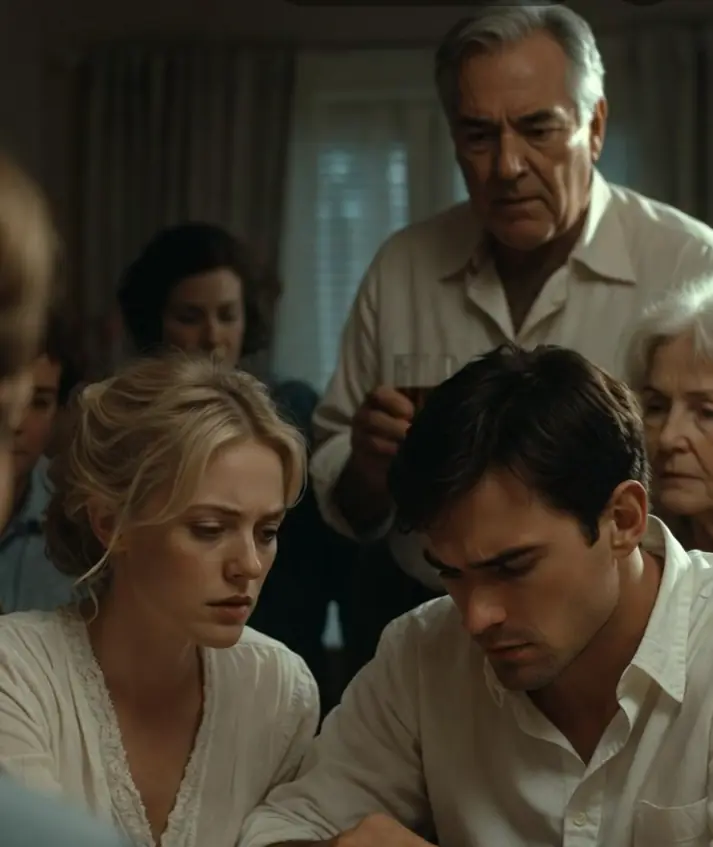
I noticed the pattern during a week-long visit last summer. I found myself performing a version of "me" that was palatable to them. I softened my opinions, I hid my anxieties, and I laughed at jokes that felt sharp. I was a chameleon, changing my colors to match the family tapestry, and by the third day, I didn't recognize the person in the bathroom mirror. I was exhausted—not from the activities, but from the constant emotional labor of maintaining the peace.
I realized that when you are always "close," there is no room for the individual to grow. My family loved the version of me that existed ten years ago, and they were constantly trying to pull me back into that smaller, safer shape. Every step I took toward my own autonomy was met with a collective, worried sigh. It was emotional gravity, and I was spending all my energy just trying to stay upright.
The fear of judgment was a constant, low-grade fever. I was terrified of the "talks" that would happen in my absence—the concerned phone calls between my mother and my aunts, the whispered deliberations about my "well-being." In my family, your struggles weren't yours to process; they were a topic for the Sunday brunch committee. This lack of emotional privacy meant that I never felt truly safe to be vulnerable. I was always "on," always protecting the perimeter of my own sanity.
The breaking point didn't come from a shout; it came from a whisper. I was sitting on the porch with my mother, watching the fireflies dance in the dark. She reached over and patted my hand, her eyes filled with that familiar, heavy devotion.
"You seem so far away lately, Elena," she said softly. "Even when you’re sitting right here. Why can’t you just be happy being with us? We’re your family. We’re all you really need."
In that moment, the truth hit me with a piercing clarity. To her, "family" was a destination—a place where you arrived and stayed forever. To me, family was supposed to be a launching pad—a place that gave you the strength to go out and discover the rest of the world. By insisting that they were "all I needed," she was inadvertently telling me that the rest of my life—my friends, my passions, my internal world—didn't matter.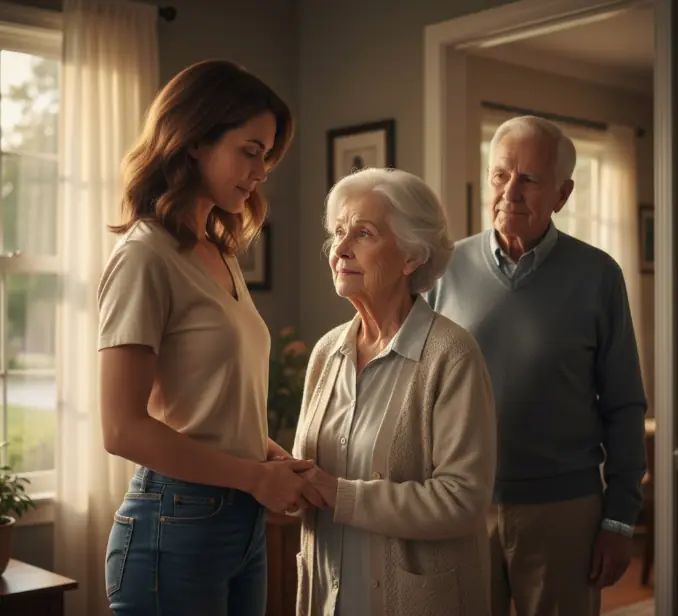
I felt a sudden, sharp surge of self-preservation. I realized that if I didn't create some distance, I would eventually disappear entirely. I would become a footnote in their story rather than the author of my own.
Acceptance didn't look like a dramatic exit. It looked like a quiet, internal realignment. I had to accept that I could love them deeply while acknowledging that they were not healthy for me in large doses. I had to accept that their disappointment was a price I had to be willing to pay for my own mental health.
"I love being here, Mom," I said, my voice steady despite the hammering of my heart. "But I also love the life I’ve built away from here. I need both to be okay."
She didn't quite understand. I could see the confusion and the hurt in the way she pulled her hand back. But for the first time, I didn't reach out to fix it. I allowed the discomfort to sit between us, a new and necessary guest at the table.
Reclaiming my space was a slow process of emotional self-preservation. It meant visiting for three days instead of seven. It meant saying, "I’d rather not talk about that right now," when the questions became too intrusive. It meant realizing that I didn't need their approval to be a "good" daughter; I only needed my own integrity.
The guilt is still there sometimes—a dull ache that flares up when I miss a Sunday phone call or decline a family trip. But it is balanced now by a profound sense of lightness. When I am away from them, I can hear my own thoughts. I can make a mistake without it becoming a family tragedy. I can grow in directions that don't fit their garden.
I still love my family. I still value the foundations they gave me. But I have learned that love and harm can sometimes wear the same face. By choosing to step back, I wasn't rejecting them; I was choosing to survive. I have moved from the center of the circle to the edge, and from here, the view is much clearer. I can see the warmth of the fire without being consumed by the flames. I am finally learning that the best way to love them is to ensure that I am whole enough to do so—and that wholeness requires a distance I am finally brave enough to keep.
The Night I Was Called the “Family Mistake”—and the Day They Came Back in Tears

Standing My Ground: When “Family First” Turned Into a Threat
My “Golden Child” Sister Tried to Turn My First Home Into Her Family’s Free Ride
A “Family Weekend” That Turned Into a Lesson They Won’t Forget
A Signature, a Family Secret, and the $9.8 Million Silence

And how long will this freeloader continue to live it up at our expense? She’s been here three months, eating wine and red caviar

A weak woman forbade her husband from entering the hospital room. The doctor turned pale upon discovering the truth

My Husband Brought His Girlfriend Home—But When He Followed Me, He Discovered the Truth He Never Expected

I hid the truth about my business and income from my fiancé and his family, and at a family dinner they found out the truth

The future bride arrived at the groom’s family home, dictating her terms. But the mother-in-law was wiser
The Promise My Stepfather Made On My Graduation Day
Living Between Two Homes Taught Me What My Stepmother Was Really Trying to Do
My Mother-in-Law and I Cried Over the Same Baby Blanket
The Day My Stepfather Defended Me Without Saying Much

My Stepmother Sat in the Front Row When No One Else Did
The Letter My Mother-in-Law Never Meant for Me to Read Changed Everything
The Weekend My Stepfather and I Finally Said What We Were Afraid To Admit
Living with My Stepmother After the Divorce Wasn’t the End of My Family
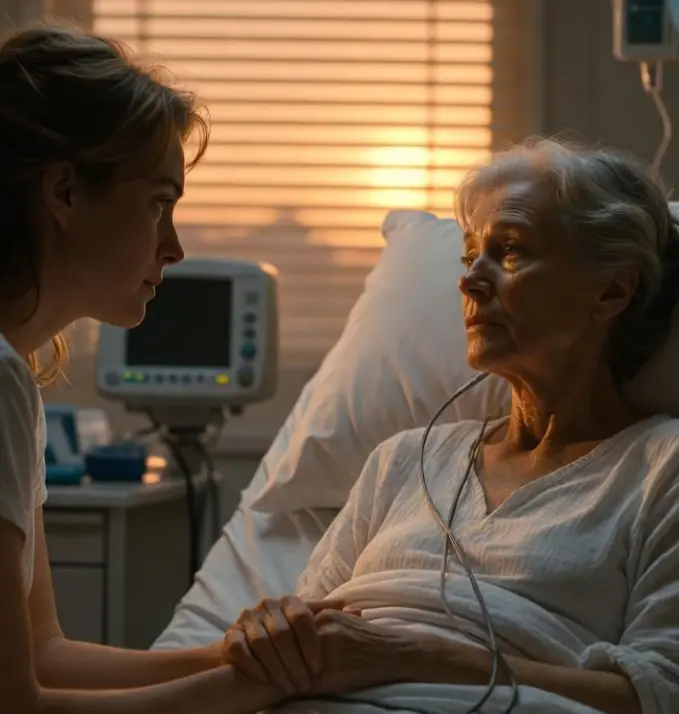
My Mother-in-Law and I Stopped Competing the Day We Shared the Same Fear

The Stepfather I Refused to Call Dad Never Gave Up on Me
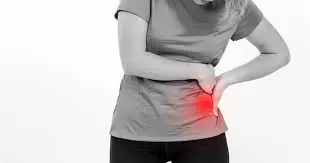
Left Upper Abdominal Pain Explained

What Eating Eggs Every Day Really Does to Your Body
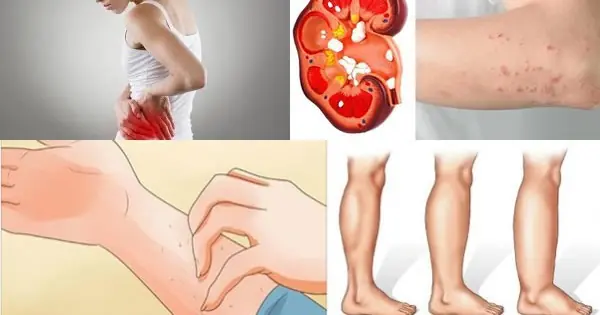
8 Warning Signs Your Kidneys Are in Trouble — Don’t Ignore Them!
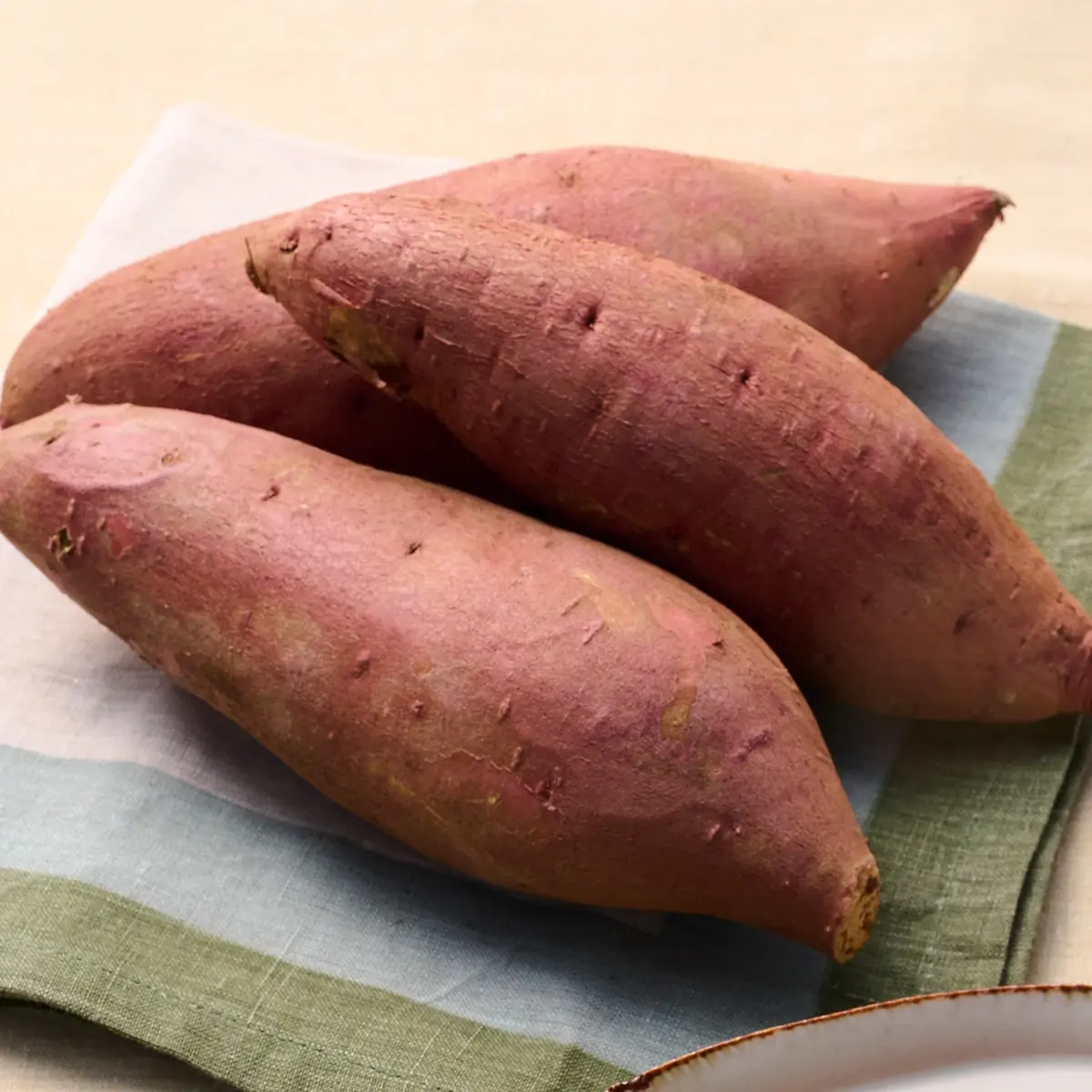
Sweet Potato Fans, Don’t Miss This! 🍠 Find Out What You Need to Know Now

Radish Danger Zone: 5 Foods That Don’t Mix Well
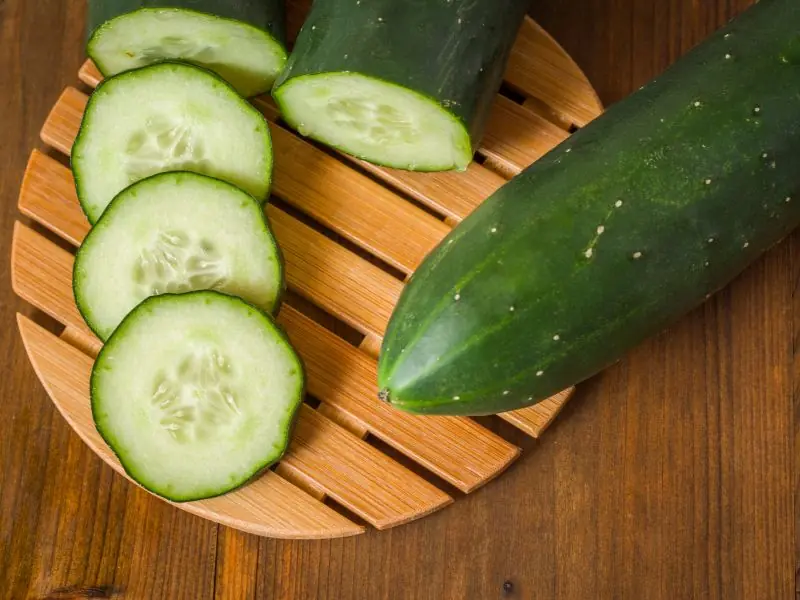
Foods you should never eat with cucumber — avoid this dangerous combo!
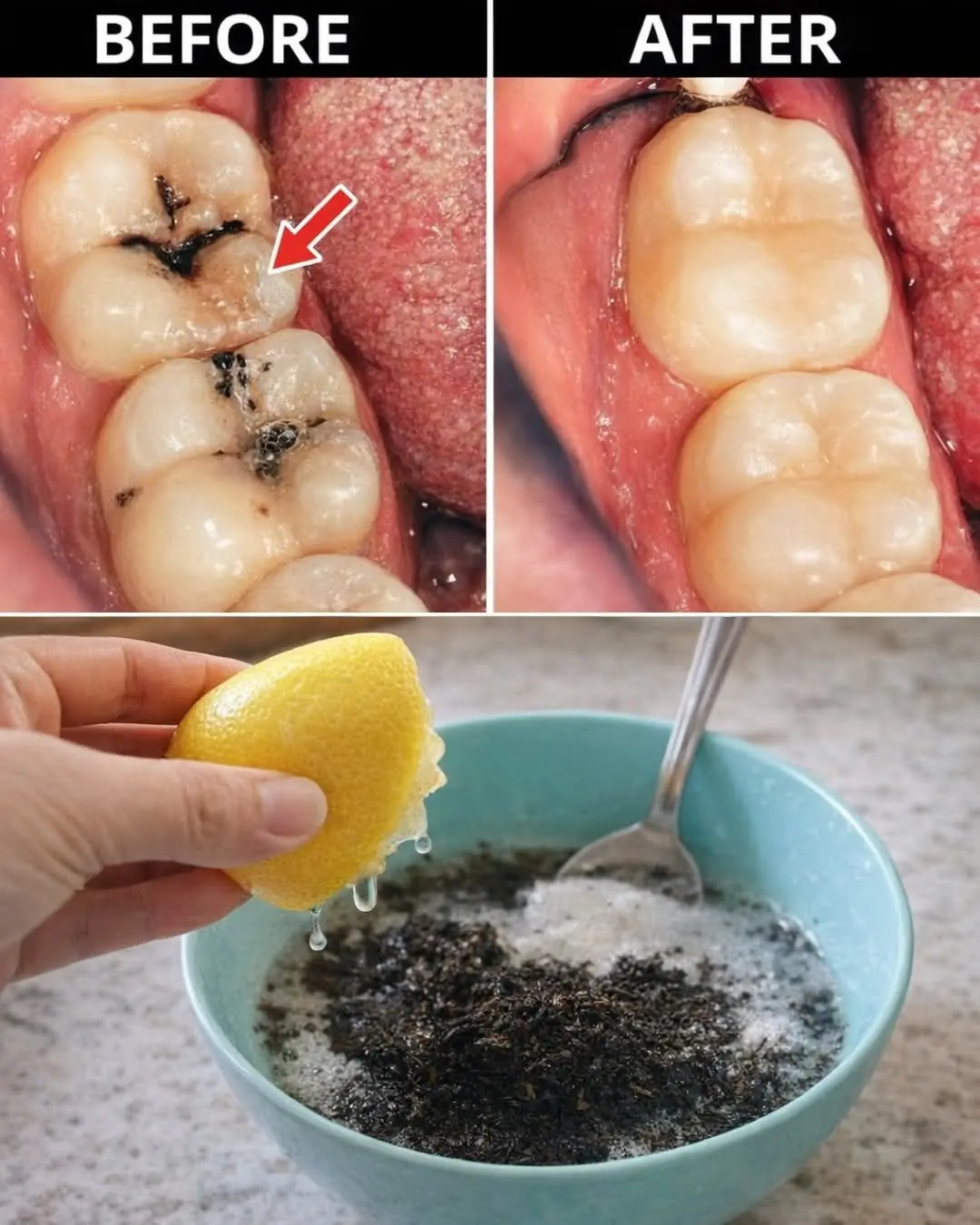
Tooth Decay Might Not Be Permanent
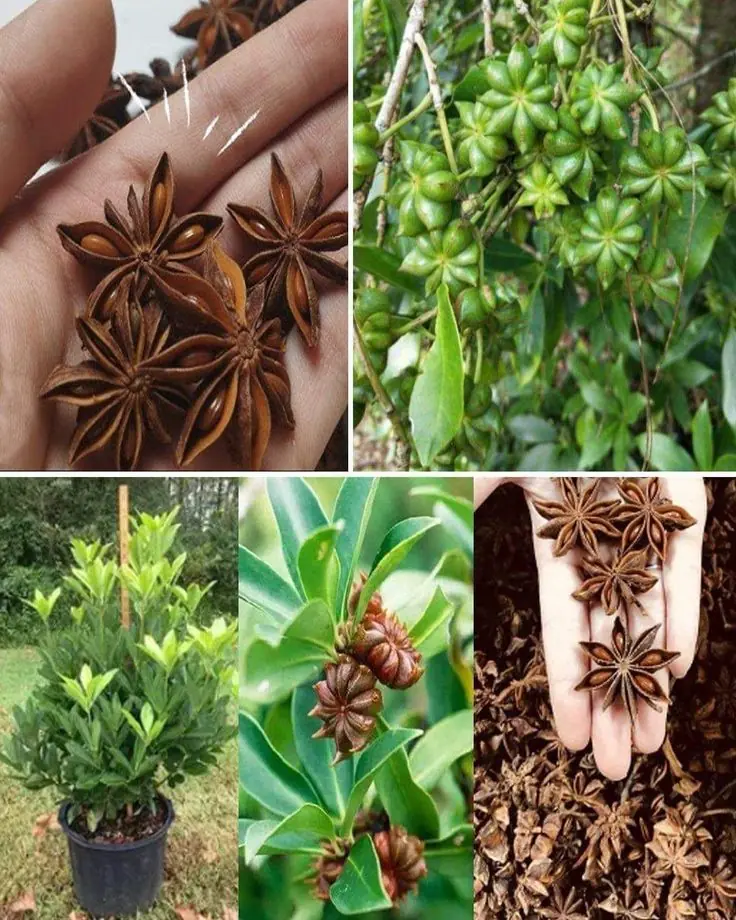
You Can Grow This Exotic Spice at Home
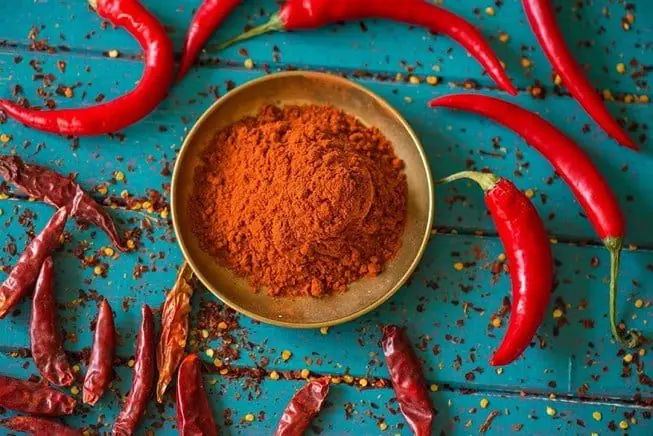
If a snake crawls into your home, these simple items can help drive it out fast
This medicinal leaf is valued for its wide range of health benefits
Eating beets daily: benefits and surprising side effects
Potatoes may be a common favorite, yet not everyone can eat them
Cat behaviors explained: what their actions really mean
The skin health benefits of carrots and lemons
Avoid these foods to better protect your thyroid health
This Hidden Feature Changes Everything
Sore throat after chemo: hidden risks doctors warn about
Dry mouth at night? 8 hidden causes you shouldn’t ignore

Sleeping on your left side: simple habit, powerful health gains
What you eat in the morning matters more than you think