Should You Unplug Your Induction Stove Right After Cooking? It Doesn't Save Electricity and Can Be Harmful
Nowadays, induction stoves are widely used in households due to their convenience, cleanliness, and safety. However, many people still make common mistakes when using induction stoves, leading to higher electricity consumption and an increased risk of fire hazards.
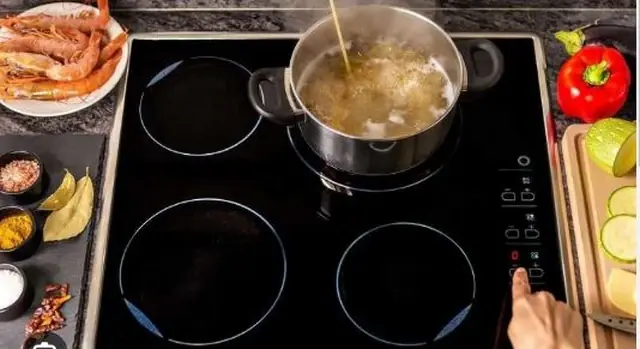
Is It Safe to Unplug the Induction Stove Immediately After Cooking?
Many people believe that unplugging the induction stove immediately after cooking helps save electricity and prevent fire hazards. However, according to EVN's recommendations, unplugging the stove right after cooking causes the cooling fan to stop working immediately. This slows down the cooling process, preventing internal components from being properly cooled and ultimately reducing the stove's lifespan.
For optimal use, wait until the cooling fan has stopped running before unplugging the stove. Typically, you should wait about 10-15 minutes after turning off the stove to ensure that the cooling fan has completed its function and the internal components have cooled down completely. Once the fan noise ceases, it's safe to unplug the stove.
Common Mistakes That Make Induction Stoves Unsafe
-
Running the Stove Continuously for Long Periods
Induction stoves generate significantly higher heat than gas stoves. Using the stove for extended periods can cause overheating, cracking of the stove surface, and damage to internal components. This excessive usage also shortens the stove's lifespan.
Tip: Turn off the stove for a few minutes after cooking one dish before starting the next to avoid overheating.
-
Placing the Stove in a Tight Space
Many people try to maximize kitchen space by placing the induction stove in cramped areas surrounded by other appliances. This restricts airflow, traps moisture inside the stove, and can damage its components over time, increasing the risk of electrical short circuits.
Tip: Always place the stove in a well-ventilated area with sufficient clearance for heat dissipation.
-
Neglecting Regular Cleaning
Induction stoves are compact and easier to clean than traditional stoves, but this convenience often leads to neglect. Grease and moisture on the stove's surface can cause cracks when exposed to high heat.
Tip: Clean the stove regularly using a soft, damp cloth, then dry it thoroughly. Avoid using abrasive tools like brushes or sandpaper, as they can damage the surface.
-
Infrequent Use of the Stove
In humid climates, infrequent use can lead to moisture buildup, which may cause electrical components to short-circuit.
Tip: Use the stove regularly, even if only for a few minutes, to maintain its performance and longevity.
-
Pressing Control Buttons Incorrectly
Induction stoves typically have touch-sensitive controls. Using multiple fingers or pressing too hard can cause the control panel to malfunction or become unresponsive.
Tip: Use one finger to press buttons gently and avoid unnecessary force.
-
Using the Stove with an Incompatible Power Supply
Induction stoves usually require a power rating of 1800-2200W. Plugging the stove into a shared power strip alongside other appliances like rice cookers or refrigerators can cause overloads, short circuits, or even fires.
Tip: Ensure your home's electrical system can handle the stove's power requirements. If you notice flickering lights or unstable power, turn off the stove immediately to prevent damage to other appliances.
By following these simple yet crucial tips, you can maintain the efficiency and safety of your induction stove, saving energy and ensuring a safer cooking environment for your family.