Fish is widely recognized as one of the healthiest and most versatile sources of protein. It’s rich in essential nutrients, cooks quickly, and works
in countless dishes. However, even the best-quality fish can lose its appeal if it’s thawed the wrong way. Improper defrosting can damage
texture, dull the natural flavor, and, more importantly, increase the risk of foodborne illness.
Whether you’re throwing together a quick weekday dinner or preparing an impressive meal for guests, knowing how to defrost fish correctly
makes a real difference. The right method keeps the flesh tender, the taste clean, and the food safe to eat.
Below are three reliable defrosting methods recommended by culinary professionals and food safety authorities. Each approach serves a
different purpose, depending on how much time you have and how you plan to cook the fish.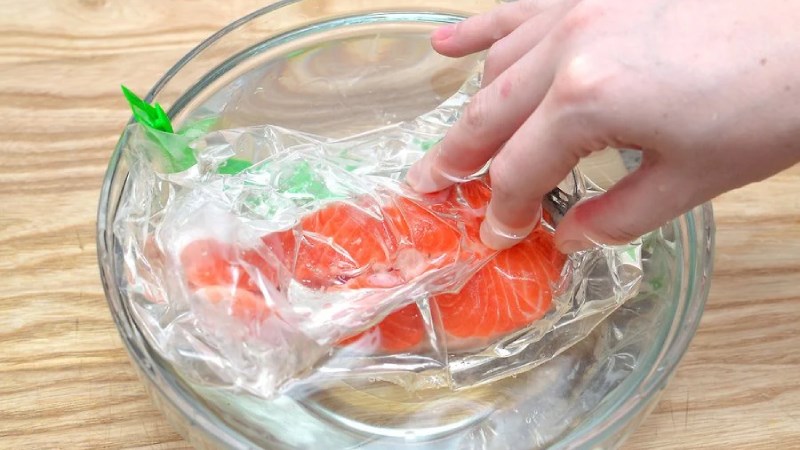
1. Defrosting Fish in Cold Water (Fast and Safe)
If you’re short on time but still want to protect the quality of your fish, cold-water thawing is one of the best options. It strikes a balance
between speed and safety while preserving texture.
How to Do It
-
Keep the fish in its original sealed packaging, or place it in a leak-proof zip-top bag to prevent water from getting inside.
-
Fill a large bowl or container with cold water.
-
Fully submerge the packaged fish in the water.
-
Replace the water every 15–20 minutes to ensure it stays cold.
-
Thin fillets typically thaw in 20–30 minutes, while thicker cuts may take up to an hour.
Why This Method Works
Cold water transfers heat more efficiently than air, allowing the fish to thaw faster without raising its surface temperature too much. This keeps
the fish out of the bacterial “danger zone” (between 5°C and 60°C / 41°F and 140°F), where harmful bacteria multiply rapidly.
Best For
-
Delicate fillets such as tilapia, snapper, or flounder
-
Medium-thickness cuts intended for grilling, pan-frying, or baking
Pro Tips
-
Never use warm or hot water. It may seem faster, but it encourages bacterial growth and can ruin the fish’s texture.
-
Once thawed, cook the fish immediately for the best results.
2. Defrosting Fish in the Refrigerator (Safest and Most Reliable)
Refrigerator thawing is the gold standard when it comes to food safety and quality. While it takes more time, it delivers the most consistent
and reliable results.
How to Do It
-
Remove the fish from the freezer but keep it wrapped.
-
Place it on a plate or inside a shallow container to catch any liquid.
-
Set it on the lower shelf of the refrigerator to avoid cross-contamination.
-
Small fillets usually thaw within 6–8 hours, while whole fish or thick cuts may need overnight.
Why This Method Works
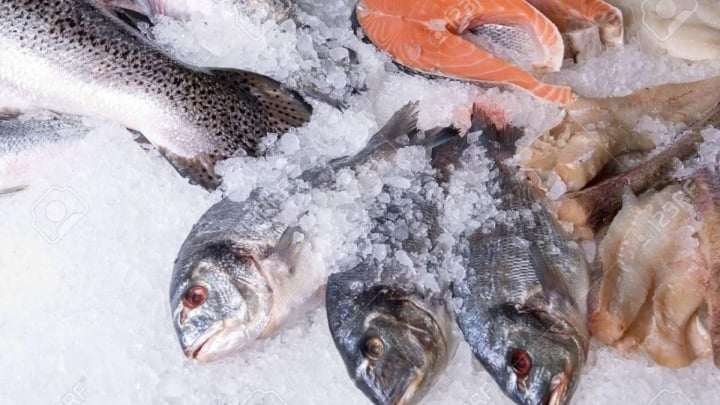
The refrigerator maintains a steady temperature below 4°C (40°F), which prevents bacteria from growing. The slow thawing process allows ice
crystals inside the fish to melt gradually, helping the flesh retain moisture and structure.
Best For
-
High-quality or expensive fish like salmon, cod, or tuna
-
Sushi-grade fish where texture is critical
-
Meal prep when you’re planning ahead
Pro Tips
-
Never thaw fish on the kitchen counter.
-
Fish thawed in the refrigerator can safely stay refrigerated for up to 24 hours before cooking.
3. Defrosting Fish in the Microwave (Fast but Needs Attention)
When time is extremely limited, the microwave can be a lifesaver. However, this method requires careful monitoring to avoid partially cooking
the fish.
How to Do It
-
Remove all packaging and place the fish on a microwave-safe plate.
-
Use the Defrost setting or set the microwave to 30% power.
-
Heat in short intervals of 20–30 seconds.
-
Flip or reposition the fish between intervals.
-
Stop once the fish is flexible but still slightly icy in the center.
Why This Method Works
Microwaves heat the outer layers first, quickly softening the frozen surface while the interior continues to thaw. This makes it effective, but
also risky if left unattended.
Best For
-
Situations where you need fish ready within minutes
-
Thicker fillets that are less likely to overcook on the edges
Pro Tips
-
Watch closely to prevent the edges from turning opaque or cooked.
-
Always cook the fish immediately after microwave thawing.
-
Never refreeze fish that has been thawed this way.
Bonus Tips for Fresher, Safer Fish
Common Mistakes to Avoid
-
Never thaw fish in warm or hot water
-
Never leave fish at room temperature
-
Never refreeze raw fish after thawing (unless it has been fully cooked)
Signs Fish Has Thawed Properly
-
The flesh feels soft and flexible
-
No ice crystals remain inside the fillet
-
There is no sour, ammonia-like, or unpleasant odor

Improve Texture After Thawing
Many chefs gently pat thawed fish dry and let it rest for about five minutes before seasoning. This removes excess moisture, helps achieve
better browning, and enhances overall flavor.
Conclusion
Properly defrosting fish is just as important as how you season or cook it. The method you choose can affect everything from texture and
taste to food safety.
-
Cold-water thawing is fast and safe when you’re short on time.
-
Refrigerator thawing offers the best overall quality and safety.
-
Microwave thawing is the quickest option but requires close attention.
Each technique has its place. By choosing the right one for your situation, you’ll preserve the fish’s natural flavor, maintain a tender texture,
and ensure every meal is both delicious and safe.
With these simple techniques, defrosting fish becomes stress-free and great fish dishes are always within reach.