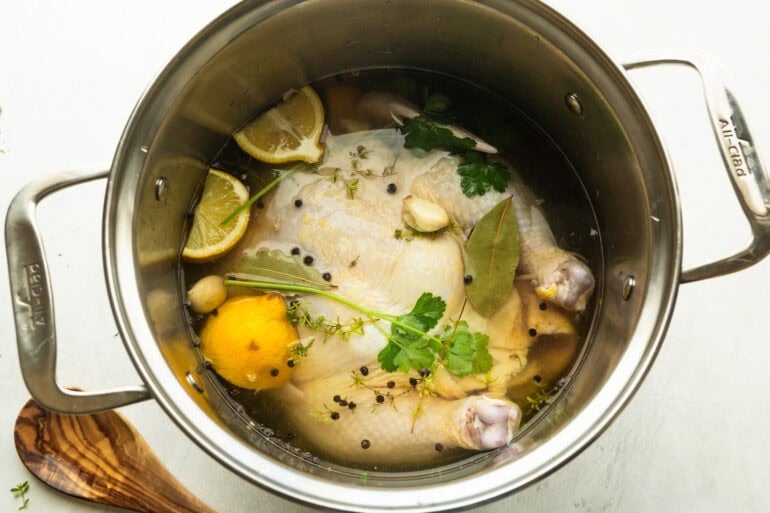
Why I Always Soak Store-Bought Chicken in Salted Water Before Cooking
Many home cooks rush from the grocery store to the kitchen without giving much thought to how the chicken was prepared or what happened to it before it reached their fridge. But a growing number of people say one simple step — soaking store-bought chicken in salted water — makes a big difference in texture, flavor and quality when cooked.
This kitchen technique, known as brining, involves submerging raw chicken in a mixture of salt and water for several hours before cooking. While not everyone does it, those who do say it completely transformed their results.
What Brining Is and Why It Matters
Brining isn’t a new idea. Professional chefs have used saltwater baths for decades to make meat juicier and more flavorful. The basic idea is simple: the saltwater solution penetrates the meat, helping it retain moisture during cooking and improving tenderness.
In the case of store-bought chicken — which may have been processed, stored or handled in ways that dry out the meat — brining can make a noticeable difference. Many chicken pieces sold in supermarkets have already been treated with water or solutions before packaging, which can affect how they cook at home. Soaking them again in controlled salt water helps restore balanced hydration and prepares the meat for cooking.
How the Saltwater Bath Works
To brine chicken effectively at home, the basic steps are straightforward:
-
Prepare the solution: Mix water with salt — a common ratio is about three tablespoons of salt per liter of water. Citric acid or other aromatics such as herbs and garlic can be added for flavor.
-
Submerge the chicken: Place the raw chicken in the solution, ensuring it is fully covered.
-
Soak for hours: Let it sit for at least 3 hours and up to overnight in the refrigerator. This gives the meat time to absorb moisture and salt uniformly.
When you remove the chicken from the saltwater bath and cook it, the result is often juicier, more tender and more flavorful meat. Many cooks say this simple step makes a big difference compared with cooking chicken straight from the package.
Benefits Home Cooks Report
Those who swear by brining store-bought chicken say they see several benefits:
-
Better moisture retention: The chicken stays juicy during cooking instead of drying out.
-
More even flavor: Salt in the brine seasons the meat more thoroughly than just salting the surface before cooking.
-
Improved texture: Protein breakdown in the saltwater can make the meat more tender and easier to chew.
This method is especially popular for cuts that tend to dry out — like chicken breasts — and for recipes where moisture and tenderness are key to success.
A Simple Brine Recipe for Your Kitchen
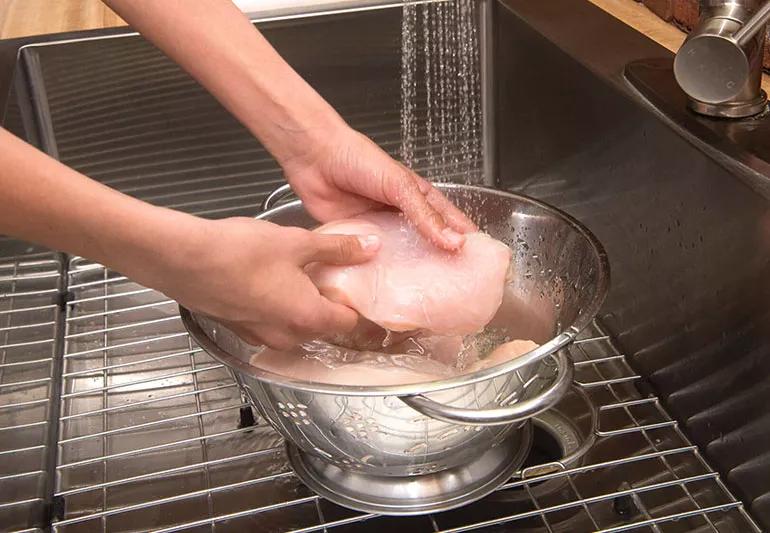
Here’s a basic saltwater brine to try at home:
-
Mix the brine: Dissolve about three tablespoons of salt in one liter of cold water.
-
Add optional flavor enhancers: Garlic, peppercorns, citrus zest and herbs are common additions.
-
Soak: Fully submerge the chicken in the brine. Refrigerate for 3 hours or longer.
-
Cook as usual: Pat the chicken dry before cooking to ensure even browning.
This technique is especially useful for roasted, grilled or pan-fried chicken where dryness can be a risk.
Food Safety and Tips
While brining can improve quality, it’s important to handle raw chicken safely. Always refrigerate the chicken while it soaks, never reuse the brine, and wash any surfaces or utensils that touch raw poultry thoroughly to prevent cross-contamination.
Also note that soaking chicken in plain water without salt does not offer the same benefits and can actually promote bacterial growth if done incorrectly.