Shrimp is not only a delicious seafood choice but also a great source of protein, omega-3 fatty acids, and essential vitamins and minerals. However, many people unknowingly make mistakes when preparing or consuming shrimp that can reduce its nutritional benefits — or even turn it into a health risk. Here are five common errors to avoid: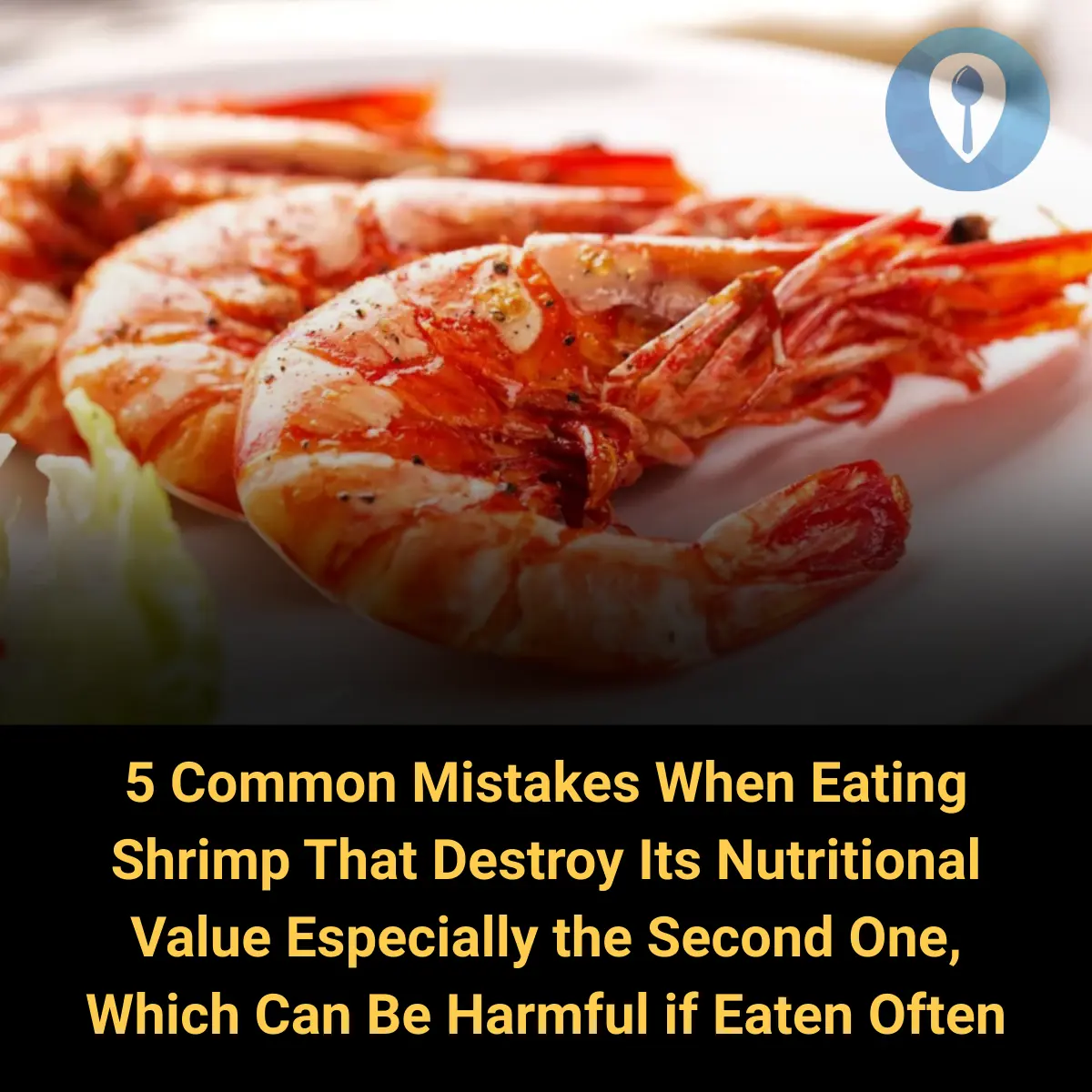
1. Overcooking Shrimp
Shrimp cooks very quickly — usually in just 2–3 minutes. Overcooking can make it rubbery and dry, but more importantly, it can destroy delicate nutrients like omega-3 fatty acids and certain B vitamins. For the best texture and nutrition, remove shrimp from heat as soon as it turns opaque and pink.
2. Eating Shrimp with High-Cholesterol or Deep-Fried Sides
While shrimp contains cholesterol, it’s low in saturated fat and generally safe in moderation. The real danger comes when it's paired with deep-fried foods, creamy sauces, or butter-heavy dishes. These combinations can raise cholesterol levels and cancel out the heart-healthy benefits of shrimp — especially if eaten frequently.
3. Peeling Off the Shell Prematurely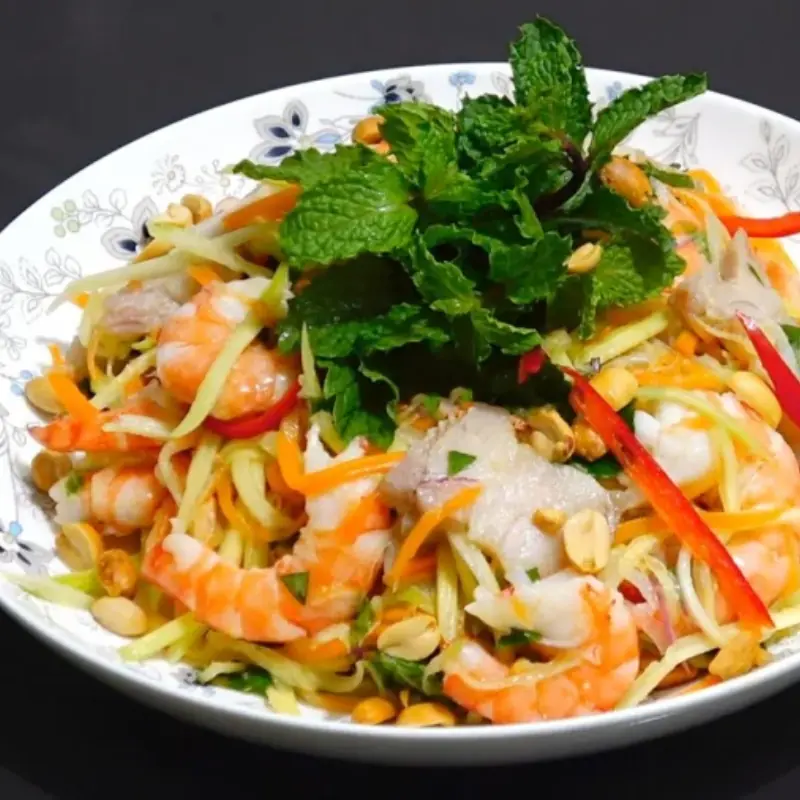
Some of the nutrients in shrimp — such as astaxanthin, a powerful antioxidant — are concentrated in the shell and head. Cooking shrimp with the shell on helps retain moisture and nutrients. If possible, cook first and peel later to preserve maximum value.
4. Using Too Much Salt or MSG in Preparation
Many shrimp recipes call for heavy seasoning, especially salt or monosodium glutamate (MSG). Overuse of these additives can lead to water retention, high blood pressure, and other health concerns. For a healthier option, season with herbs, lemon juice, garlic, or spices instead.
5. Not Checking for Clean Sources
Shrimp can be contaminated with antibiotics or heavy metals, especially when farmed in unregulated environments. Always choose wild-caught or responsibly farmed shrimp from reputable sources. Look for certifications like ASC (Aquaculture Stewardship Council) or MSC (Marine Stewardship Council).