A Wild Roadside Vegetable From the Past Is Now a “Ginseng-Level Superfood”
There was a time when this humble wild vegetable grew abundantly along village paths, fields, and riverbanks. Most people overlooked it, treating it as nothing more than a common weed. Today, however, it has become a sought-after specialty — praised by nutrition experts for its impressive health benefits and even compared to ginseng for its restorative properties.
The vegetable in question is purslane (Portulaca oleracea), known in many regions as a hardy wild plant that thrives in poor soil and hot climates. Once dismissed as a rural food of hardship, purslane has now made its way into restaurants, health stores, and research journals across the world.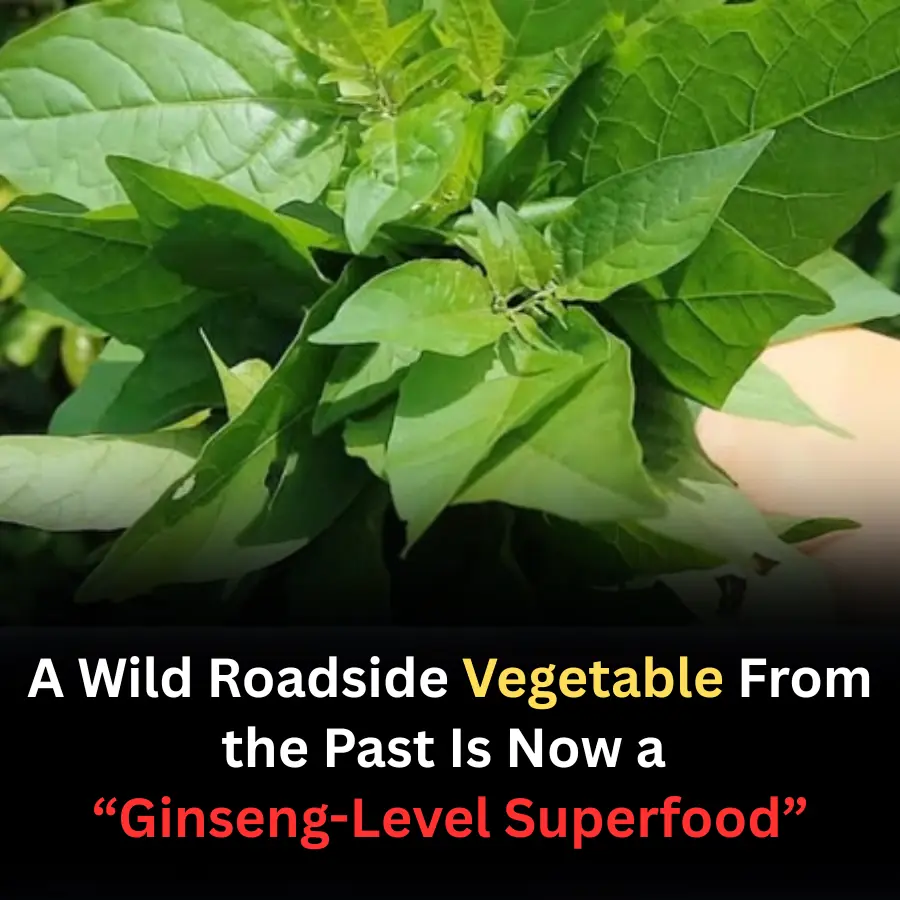
Why Purslane Is Suddenly So Popular
Modern analyses reveal that purslane contains an exceptional nutrient profile:
-
Omega-3 fatty acids — rare in vegetables, typically found in fish
-
Vitamins A, C, E — powerful antioxidants
-
Magnesium, calcium, potassium
-
High levels of melatonin — supports sleep and cell protection
-
Anti-inflammatory and antibacterial compounds
Because of this combination, researchers call purslane a “plant-based omega-3 powerhouse.” In traditional medicine, it has long been used to cool the body, detoxify the blood, and support digestive health.
Health Benefits Comparable to Ginseng
While not a true ginseng, purslane earns the comparison thanks to these effects:
1. Enhances immunity
The antioxidants and omega-3 content help reduce inflammation and strengthen the immune system.
2. Supports heart health
Omega-3 fatty acids help regulate cholesterol and protect blood vessels.
3. Good for digestion and detoxification
Purslane has natural cleansing properties and can help soothe digestive discomfort.
4. Supports skin regeneration
Its high vitamin content promotes collagen production and reduces oxidative stress.
5. Helps regulate blood sugar
Several studies show that purslane may improve insulin sensitivity.
Because of these benefits, purslane has become a valued food in many cultures — far removed from its old image as a weed.
How Purslane Became a Modern Specialty
In recent years, demand for healthy, organic, and foraged foods has increased. Purslane fits perfectly into this trend because:
-
It is naturally pesticide-free.
-
It grows easily without cultivation.
-
It has a refreshing, slightly sour, crisp flavor suitable for salads, soups, and stir-fries.
Farmers in some regions have even begun cultivating purslane commercially to meet market demand.
How to Eat Purslane Safely
While extremely nutritious, purslane should be consumed properly:
-
Wash thoroughly, as wild vegetables may carry dirt or parasites.
-
Avoid eating too much raw if you have kidney problems, because purslane contains oxalates.
-
Best methods: stir-fry, boil lightly, add to soups, or make salads.
Conclusion
A plant once dismissed as a roadside weed has now become a modern superfood. Purslane’s dense nutrition, healing properties, and versatility in cooking explain why it is now celebrated as a “ginseng-level” vegetable.
In the age of functional foods, sometimes the most powerful ingredients are the ones that have been right beside us all along.