
10 Social Habits Commonly Misunderstood as Rude but Associated with Intelligence
10 Habits Often Seen as Rude That May Reflect Intelligence
Facts 03/03/2026 10:52
Nutrition experts have long emphasized the importance of incorporating a wide variety of vegetables into the daily diet. Among them, one humble and inexpensive vegetable stands out for its exceptional nutritional profile — yet it remains overlooked by many households: spinach, often referred to by nutritionists as a true “nutritional champion.”
Rich in vitamins, minerals, antioxidants, and fiber, spinach offers a remarkable range of health benefits that support immunity, heart function, digestion, and even the aging process. Despite its affordability and widespread availability, many people fail to include it regularly in their meals.
According to clinical dietitians, spinach provides an impressive concentration of nutrients per serving:
Spinach contains one of the highest natural sources of vitamin K, essential for blood clotting and bone density maintenance. Regular consumption may reduce the risk of osteoporosis.
This makes spinach particularly beneficial for women, individuals with anemia, and those needing to support red blood cell production.
Spinach contains lutein, zeaxanthin, beta-carotene, and vitamin C — compounds that help neutralize free radicals, reduce oxidative stress, and lower the risk of chronic diseases, including certain cancers.
Lutein and zeaxanthin are well-known for protecting the retina and reducing the risk of age-related macular degeneration.
With its high fiber content, spinach helps regulate bowel movements, prevent constipation, and support the growth of beneficial gut bacteria.
Despite its benefits, spinach is often underestimated because of:
Its simplicity: People tend to overlook familiar everyday foods, assuming only rare or expensive items are highly nutritious.
Taste preferences: Some avoid leafy greens due to their mild bitterness.
Cooking habits: Overcooking can cause spinach to lose nutrients, leading to misconceptions about its actual nutritional value.
Experts emphasize that how spinach is cooked plays a major role. Light steaming, quick sautéing, or using it in soups helps preserve most vitamins and antioxidants.
Nutritionists recommend incorporating spinach in flexible, easy ways:
Add fresh spinach to soups, stir-fries, or omelets.
Blend spinach with fruit to make a nutrient-dense smoothie.
Use spinach leaves as a base for salads.
Toss spinach into noodles, pasta, or rice dishes at the end of cooking.
Even small daily portions can create long-term benefits for cardiovascular health, immune function, and energy metabolism.
While many people chase after expensive supplements or imported vegetables, the truth is that one of the most nutrient-rich foods is readily available in any market — and extremely affordable.
Nutrition experts advise families to make spinach a regular part of weekly meals:
“The most powerful foods are often the simplest ones. Spinach is a prime example of a low-cost vegetable with high nutritional impact.”
10 Habits Often Seen as Rude That May Reflect Intelligence

Understanding Moles on the Lip: Possible Causes and Concerns
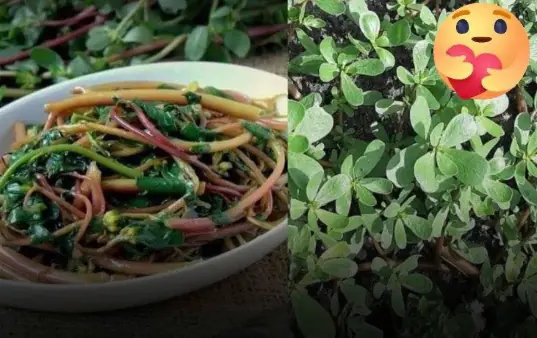
Once Ignored, Now Celebrated: The Wild-Growing Vegetable Being Called a “Miracle Herb” for Health

Cats are curious, independent creatures—and while that’s part of their charm, it can also be the source of stress when one suddenly disappears.

When a lizard visits your house that’s a sign...
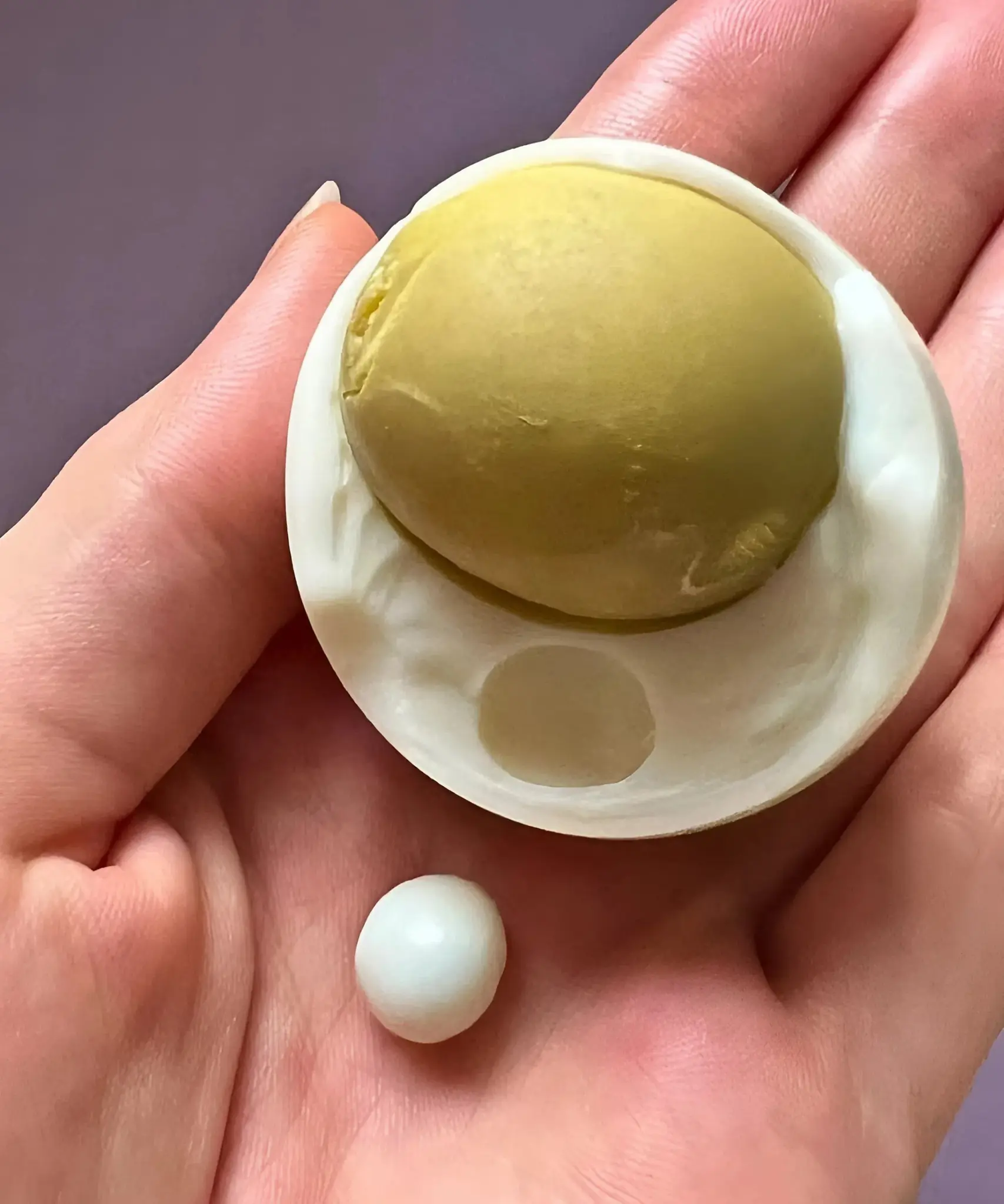
She Was Just Peeling a Boiled Egg… Until She Saw What Was Hidden Inside

When Your Parent Shows These 4 Signs, Emotional Preparation Matters

Here’s What That Little Pocket in Women’s Underwear Is Actually For

Regardless of How Much You Earn, Get Rid of These 4 Things Without Delay

That tiny pocket on your jeans has a surprising history you probably never knew.

Keep these 3 mindsets, and success will follow

Not all garlic is safe to buy—learn which cloves you should avoid at the market today.

She Di:ed From a Stroke and Came Back: What She Saw Will Sho:ck You

The meaning of a ring worn on the right hand is not widely known

Most people THROW IT AWAY — but this tiny metal ring on sausages is actually saving your health!

Do you know why there’s a small scar on the upper left arm and what it means?

Using an electric kettle daily? Here are 4 errors you should watch out for

If a millipede crawls indoors, don’t eliminate it immediately

If You Don’t Unplug These 5 Electrical Devices at Home, Your Electricity Bill Could Skyrocket!

There’s one critical thing to clarify before your colonoscopy - don’t skip it
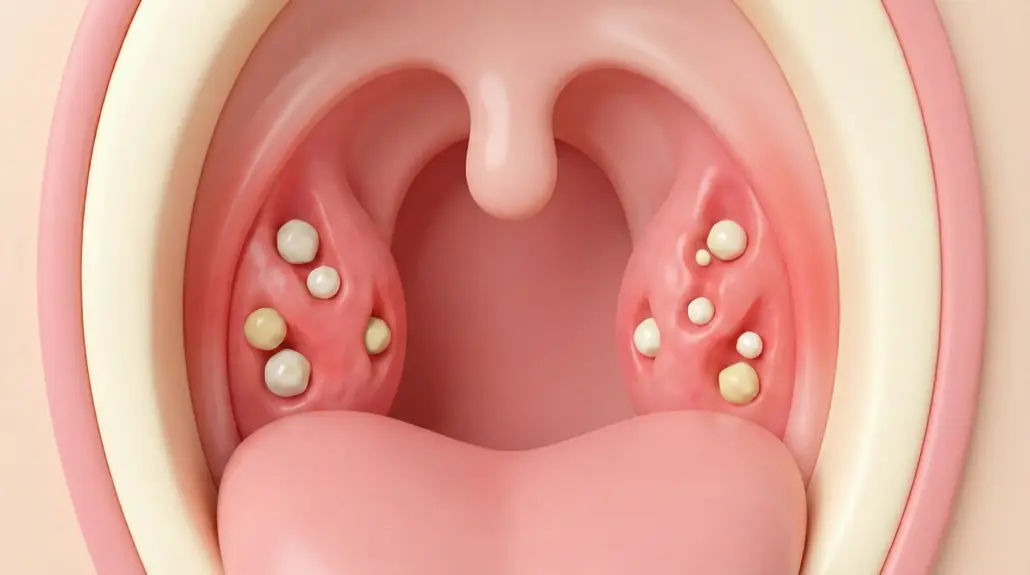
The Truth Behind Those Smelly “White Stones” in Your Mouth

5 red flags that could signal advanced liver dis.ease
The top five golden foods that support a strong, healthy heart
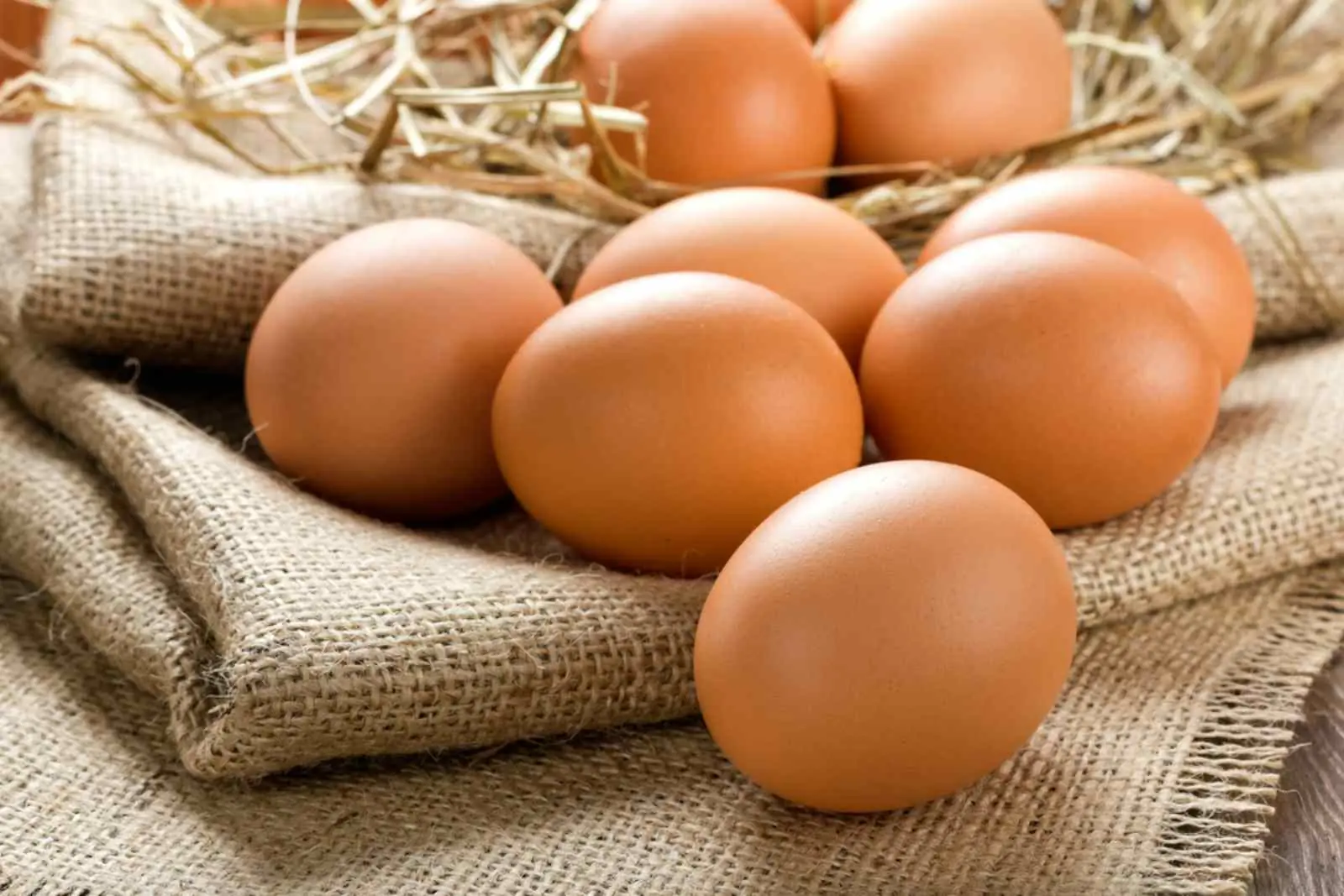
Want a sharper memory? Adding an egg to your day might be a smart move
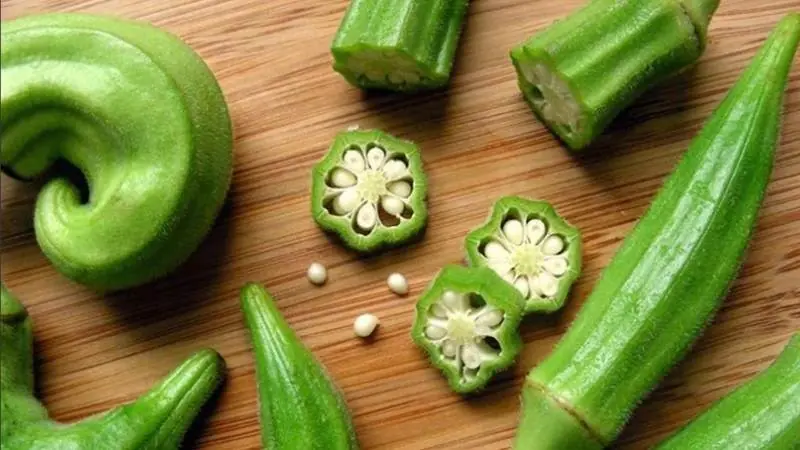
Medical Experts Share Insights on the Impact of Eating Okra

Waking Up With These 3 Nighttime Signs? Experts Say It’s Time for a Medical Checkup

6 Subtle Symptoms of Stomach Cancer to Watch for Early
Think Pumpkin Seeds Are Always Healthy? Think Again

Do You Nap During the Day? Here’s What You Should Know
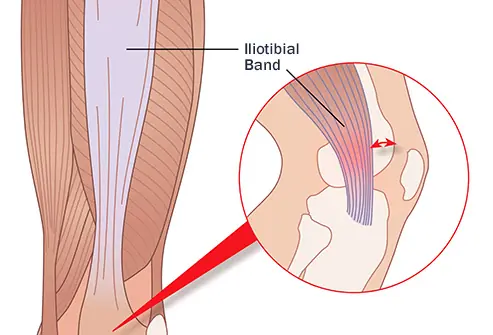
Posterior Knee Pain: When It May Indicate a Serious Condition

8 Landscaping Choices That May Encourage Snakes to Hide Nearby

The Truth About Tilapia: Is It as Healthy as You Think?
10 Habits Often Seen as Rude That May Reflect Intelligence

Are These Chicken Parts Safe to Eat? What Experts Say

Frequent Ringing in the Ears? Here’s What It Could Indicate
Understanding Moles on the Lip: Possible Causes and Concerns

Got a Large Spot on Your Skin? Here’s What You Should Know

Seeing Strange Bruises on Your Body? Read This First

Clinical Red Flags for Swollen Lymph Nodes in the Neck