How to Properly Slice Meat?
Slicing meat correctly is an important skill in cooking, as it enhances the quality of the dish and can even determine its success or failure.
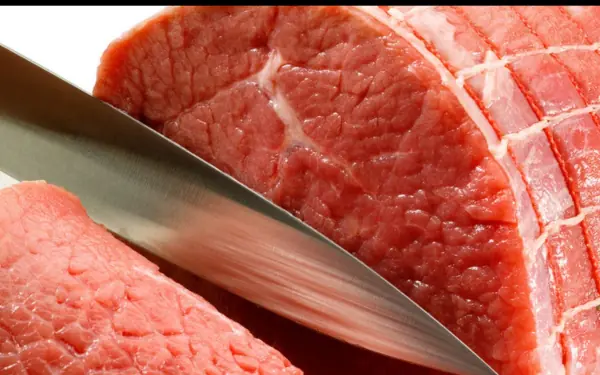
The way meat is sliced not only affects the appearance and aesthetics of the dish but also the final product’s quality, such as its doneness, tenderness, and how well the flavors are absorbed. Different types of meat and dishes require different handling techniques. Therefore, knowing how to slice meat properly is a common question for many home cooks.
Guide to Slicing Meat Properly
One of the key factors in slicing meat correctly is identifying the grain of the meat – the fibers running along the length of the cut. You can easily spot the grain with the naked eye, as the fibers usually run in a specific direction.
There are two common ways to slice meat: slicing against the grain and slicing with the grain. The method you use depends on the dish you're preparing. Slicing against the grain is used when you want thin slices that make the meat more tender and easier to chew. To do this, place the meat on the cutting board, identify the direction of the grain, and then slice perpendicular to it to create thin slices.
Slicing against the grain is ideal for stir-frying, hotpot, or grilling to ensure the meat stays tender; this is especially important when slicing beef.
Slicing with the grain is typically used for stews or boiling, as it helps the meat maintain a firmer texture. To do this, place the meat on the cutting board, identify the direction of the grain, and slice along the length of the grain to create thicker chunks of meat.
In addition to the direction of the cut, the thickness of the slices also affects the quality of the dish. For stir-fries, it's best to slice the meat as thinly as possible to help it cook quickly and absorb the seasoning evenly, making it tender. On the other hand, for braising or grilling, thicker slices can help retain moisture and prevent the meat from drying out.
Tips for Easier Meat Slicing
To ensure the quality of your meat slicing, you need to use a sharp knife. A sharp knife will not crush or tear the meat and will allow you to cut quickly and accurately. This is especially useful when slicing against the grain, as it makes it easier to create uniform, thin slices. A slicing knife should have a thin blade and be of an appropriate length for the size of the meat.
Additionally, make sure your cutting board is clean to prevent bacteria contamination and maintain the meat's natural flavor.
When preparing meat, wash it thoroughly, pat it dry, then place it in a ziplock bag or wrap it with plastic wrap. Put it on a metal tray and place it in the freezer for 30-50 minutes to chill, making it firmer and easier to slice. Generally, when chilled for less than an hour, the meat won’t freeze but will become firmer and easier to handle.
For cooked meat, allow it to rest for 15-20 minutes after boiling to let it firm up, making it easier to slice without falling apart. Use a separate clean cutting board for slicing cooked meat.
Slicing meat will be easier if you choose the right cutting board. For slicing meat for stir-frying, stewing, or braising, you should use a thin, lightweight board. For chopping or dicing meat, a thicker, sturdier wooden cutting board is recommended.