
If you're having trouble falling or staying asleep, know that you're not alone. Millions of people experience short-term insomnia — a common sleep disorder that interferes with your ability to get a good night’s rest. While sleep requirements vary from person to person, most adults need at least seven hours of quality sleep per night to support overall health and well-being.
Poor sleep can affect nearly every aspect of your life — from your mood and energy levels to your productivity and physical health. The good news? A variety of natural remedies and lifestyle habits may help promote better, deeper sleep without the need for medication. Keep reading to explore how herbal treatments, relaxation techniques, and healthy routines can support more restful nights.
Natural Remedies for Better Sleep

For centuries, people have turned to natural herbs and botanicals to support relaxation and sleep. While some herbal remedies are backed by limited scientific research, many are still being studied. It's important to keep in mind that natural doesn't always mean risk-free. Some herbs may cause side effects or interact with medications, so it’s always wise to consult your healthcare provider before adding them to your routine.
Herbal Teas & Supplements
Sipping a warm, caffeine-free herbal tea before bed can become a comforting bedtime ritual. Some herbs that may support sleep include:
-
Valerian Root (Valeriana officinalis): Traditionally used to ease insomnia and anxiety, valerian may help you fall asleep faster and stay asleep longer. However, it can cause drowsiness during the day and may interact with medications. It’s not recommended for children, pregnant individuals, or people with liver conditions.
-
Chamomile: Widely regarded as safe by the FDA, chamomile has mild sedative effects and is known for promoting calm. However, those allergic to ragweed, daisies, or related plants should avoid it, as it may cause allergic reactions.
-
Lemon Balm: A member of the mint family, lemon balm may help reduce anxiety and promote sleep. It can be consumed as tea or taken in supplement form.
-
Fennel: While more often used to soothe digestion, fennel has gentle calming properties that some people find beneficial at bedtime.
-
Licorice Root: Traditionally used in Eastern medicine, licorice root can have calming effects, but long-term use may affect blood pressure and potassium levels.
-
Oat Straw or Linden Flowers: These gentle botanicals are often used in herbal blends to support relaxation and ease tension.
-
Tulsi (Holy Basil), Lettuce, or Parsley Leaves: These herbs may help calm the nervous system and prepare the body for sleep.
-
Apple Peel: A lesser-known remedy, apple peels contain quercetin, an antioxidant that may aid in relaxation.
-
Lavender (Aromatherapy): Inhaling lavender essential oil or using it in a diffuser may reduce anxiety and improve sleep quality, according to some studies.
Relaxation Techniques for Sleep
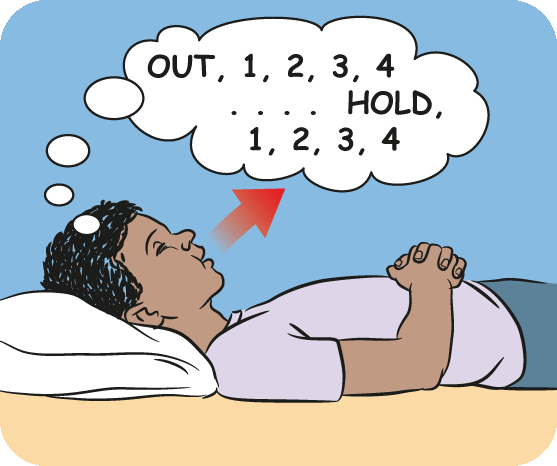
Adding calming practices to your evening routine can help prepare your body and mind for rest. These methods signal that it's time to unwind, making it easier to fall asleep naturally.
-
Drink a warm, caffeine-free beverage such as chamomile tea or warm milk
-
Take a warm bath or shower an hour before bed to relax muscles and lower core body temperature
-
Read a physical book or magazine to distract from stressful thoughts and digital screens
-
Listen to soothing music, nature sounds, or an audiobook to help your mind settle
-
Practice mindfulness or meditation to reduce racing thoughts and cultivate a sense of peace
-
Use deep breathing exercises like 4-7-8 breathing or abdominal breathing to slow your heart rate
-
Try progressive muscle relaxation by tensing and releasing different muscle groups one by one
Consistency is key. Even just 10–15 minutes of relaxation each night can make a meaningful difference over time.
Healthy Sleep Habits That Work
Establishing a consistent sleep schedule and creating a supportive sleep environment are foundational to getting better rest. Here are some practical sleep hygiene tips:
✔️ Stick to a regular sleep schedule – Go to bed and wake up at the same time every day, even on weekends. This helps regulate your body’s internal clock.
✔️ Get regular physical activity – Exercise promotes deeper sleep, but try to avoid vigorous workouts close to bedtime.
✔️ Limit naps – While short naps can be refreshing, napping too long or late in the day can interfere with nighttime sleep.
✔️ Reduce intake of caffeine, alcohol, and nicotine – These substances can disrupt your ability to fall and stay asleep.
✔️ Avoid heavy meals and excess fluids before bedtime – This helps reduce the likelihood of indigestion or waking up for bathroom trips.
✔️ Create a calming bedtime ritual – Dim the lights, turn off screens at least 30 minutes before bed, and engage in quiet, relaxing activities.
✔️ Keep your bedroom cool, dark, and quiet – A comfortable sleep environment can significantly improve sleep quality.
When to Seek Professional Help
While natural remedies and healthy habits can be very effective for occasional sleep difficulties, they may not be enough if you're dealing with chronic insomnia or underlying medical conditions. If you experience prolonged sleep disruptions, daytime fatigue, or other concerning symptoms, consult a healthcare provider.
A medical professional can assess whether conditions such as sleep apnea, restless leg syndrome, or anxiety are contributing to your insomnia and recommend appropriate treatments — which may include cognitive behavioral therapy for insomnia (CBT-I), medication, or lifestyle changes.
Final Thoughts
Improving your sleep doesn’t always require drastic changes. By incorporating a few gentle remedies and mindful habits into your nightly routine, you can gradually create the conditions for deeper, more restorative rest. Be patient with yourself — better sleep is possible, one night at a time.