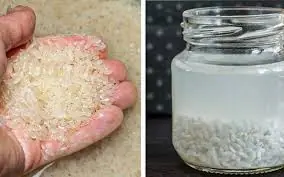
Rice Water: How to Turn Cloudy Rinse Water into a Natural Beauty Boost for Skin and Hair
Rice Water: How to Turn Cloudy Rinse Water into a Natural Beauty Boost for Skin and Hair
Drying thick clothes during cold or humid seasons can be frustrating. Heavy fabrics like sweaters, jeans, towels, and bedding tend to trap moisture, making them slow to dry and prone to developing unpleasant odors. In Japan — where homes are often compact and outdoor space is limited — people have developed practical, efficient techniques to dry laundry quickly without relying heavily on dryers.
These methods are simple, energy-conscious, and surprisingly effective. Below is a step-by-step guide inspired by common Japanese household practices that help thick clothes dry faster while staying fresh.
Before diving into the method, it helps to understand the problem.
Thick garments:
Retain more water after washing
Have denser fibers that slow evaporation
Restrict airflow when hung improperly
In winter, cold air holds less moisture and slows evaporation. Indoors, poor air circulation can trap humidity, further delaying drying time.
The Japanese approach focuses on maximizing airflow, improving spacing, and managing humidity.
The first secret is minimizing retained moisture.
After washing:
Use a high-speed spin cycle
Shake out each garment thoroughly before hanging
For extra-thick items, gently squeeze out remaining water
Some households briefly roll thick clothing in a dry towel and press to absorb excess moisture.
The less water in the fabric, the faster it dries.

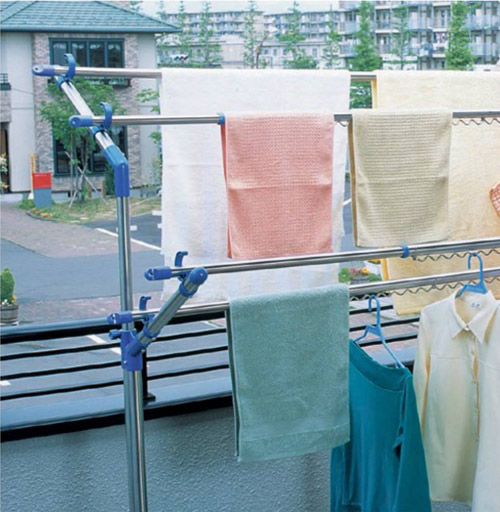
One of Japan’s most practical tricks is the arch or curved hanging method.
Instead of hanging clothes randomly, arrange them by length:
Place longer garments on the outer sides
Hang shorter items in the center
This creates a curved shape, allowing better airflow through the middle. Air moves more efficiently across varied lengths, reducing trapped humidity.
This simple arrangement significantly speeds up drying time.
Airflow is more important than heat.
To improve circulation:
Hang clothes near a window if possible
Use a fan to direct air across the laundry
Avoid crowding garments together
Even in cold weather, moving air accelerates evaporation.
In Japan, small circulating fans are often used to create consistent airflow indoors.
High humidity slows drying.
To reduce moisture in the air:
Use a dehumidifier if available
Run the bathroom ventilation fan
Open windows briefly to refresh indoor air
Many Japanese homes are equipped with bathroom drying systems that combine ventilation and mild heating to dry clothes efficiently in limited space.
If a dehumidifier is not available, placing laundry in a well-ventilated room makes a noticeable difference.
For bulky clothes like hoodies or sweaters:
Hang them inside out to expose thicker fabric layers
Spread sleeves fully apart
Use wide hangers to maintain shape
For towels:
Fold them over two rods instead of one
Avoid doubling them tightly
The more surface area exposed, the faster the drying.

Halfway through the drying process:
Flip heavy items
Rotate their position
Separate any sections that feel damp
Small adjustments prevent moisture from settling in dense areas.
Packing too many clothes into a small drying area reduces airflow and increases humidity.
Dry in smaller batches if possible. This may seem slower, but it prevents prolonged dampness and musty smells.
Musty odors develop when bacteria multiply in damp fabrics. By:
Reducing moisture quickly
Improving airflow
Managing humidity
you limit the environment where odor-causing microbes thrive.
Faster drying equals fresher results.
Wash clothes earlier in the day so they dry before nighttime temperature drops
Use detergent appropriate for cold weather washing
Avoid leaving wet clothes in the washing machine too long
Consistency in drying habits makes a significant difference.
The Japanese technique emphasizes physics over machinery:
Evaporation increases with airflow
Lower humidity speeds moisture loss
Surface exposure reduces drying time
It is efficient, low-energy, and adaptable to small living spaces.
Drying thick clothes quickly in winter does not require expensive equipment. With strategic hanging, improved airflow, and humidity control, you can significantly reduce drying time and prevent unwanted odors.
Japan’s time-tested approach demonstrates that simple adjustments in technique can produce noticeable results. By focusing on airflow and spacing rather than just heat, you create conditions that help your laundry dry faster and stay fresh.
Sometimes, the most effective solutions are also the simplest.
Rice Water: How to Turn Cloudy Rinse Water into a Natural Beauty Boost for Skin and Hair
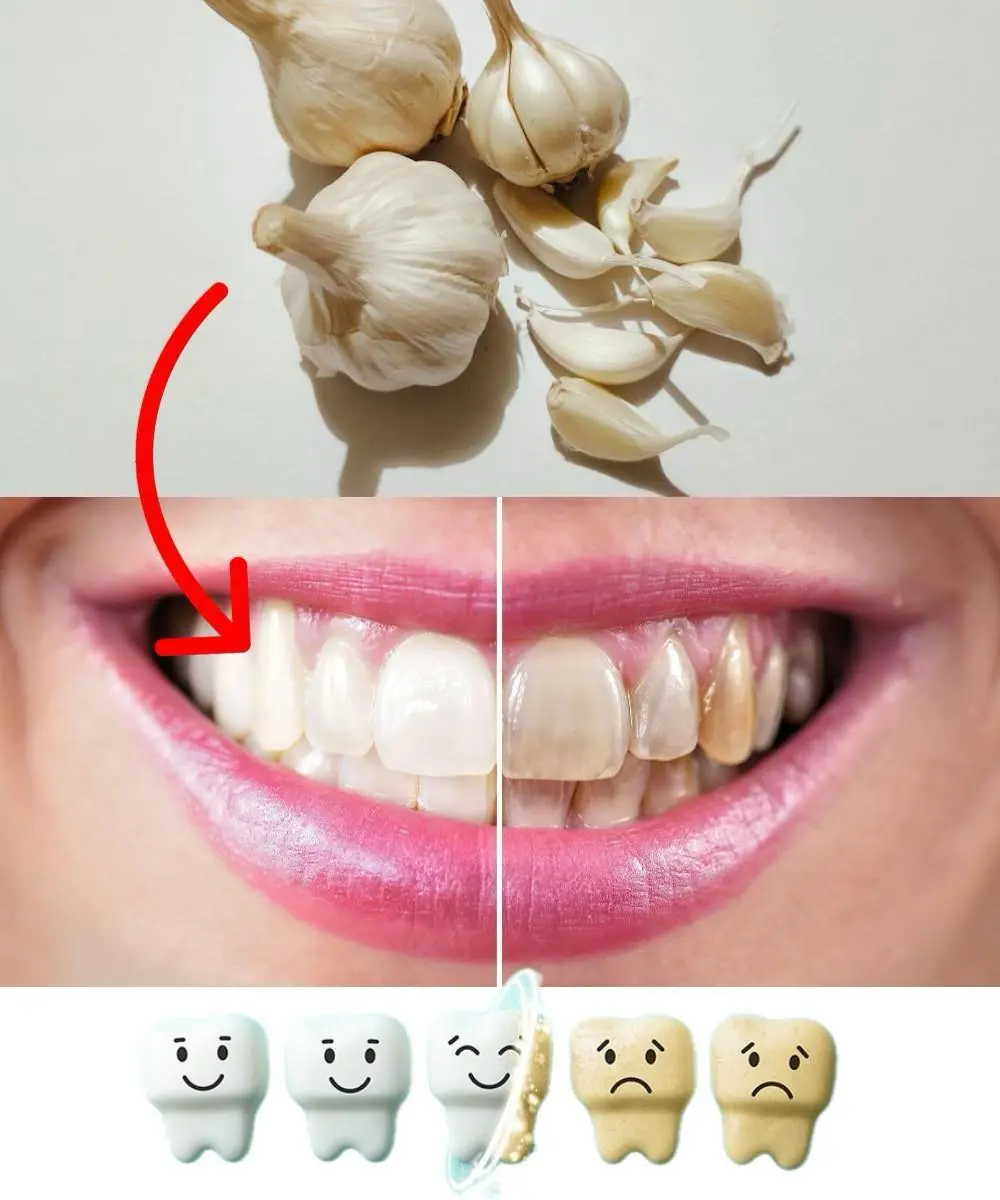
Yellow teeth? Try this viral hack before your next dental visit.
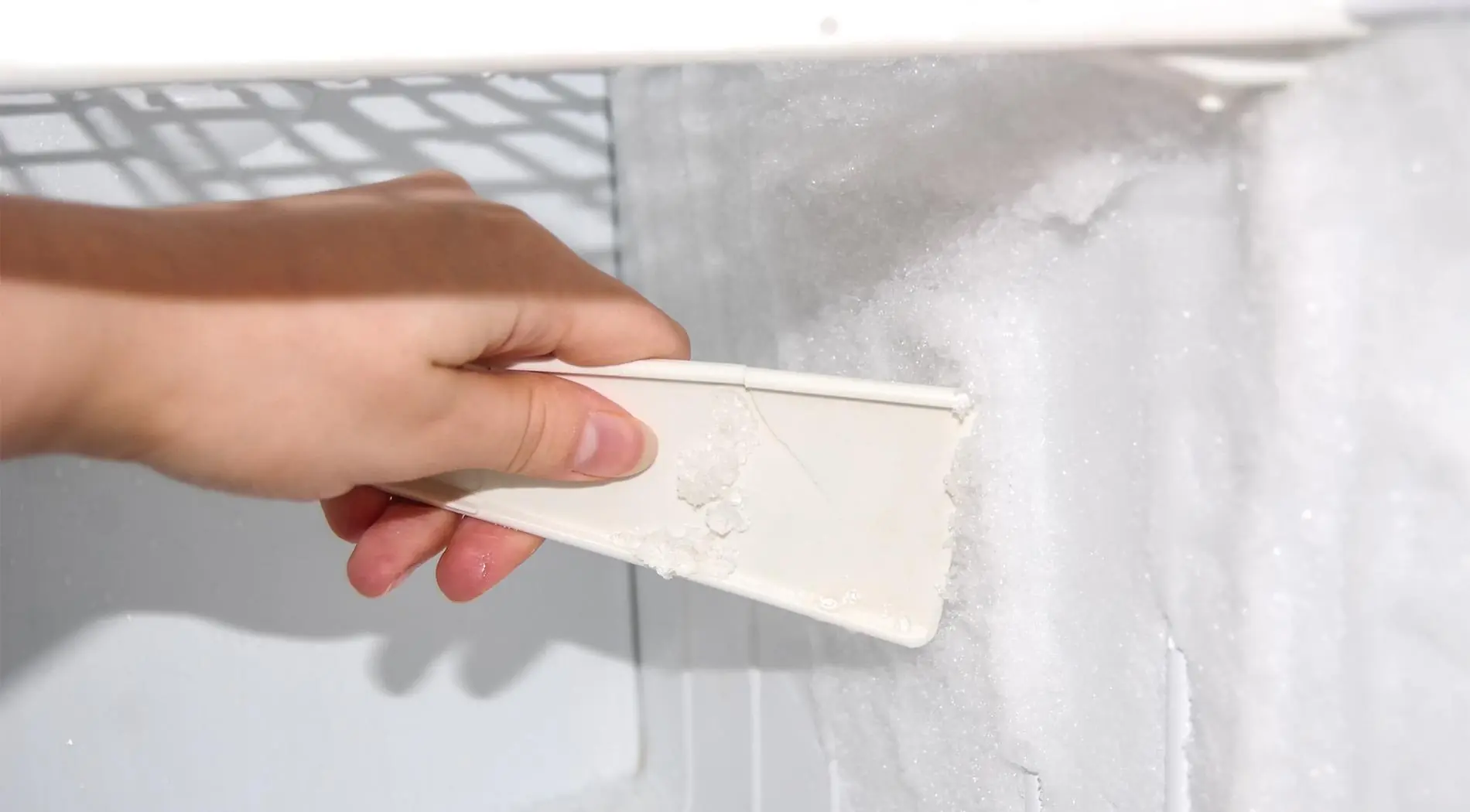
Before you spend hours defrosting your freezer, read this.
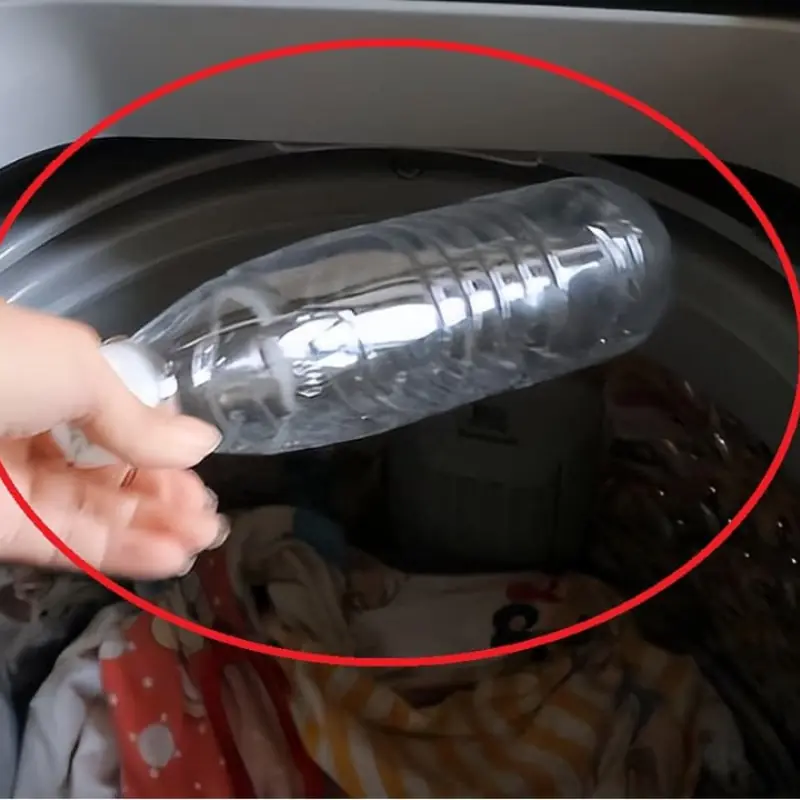
A viral hack uses an empty plastic bottle to make laundry cleaner, softer, and more efficient.

How does lemon juice affect oil when used before frying?
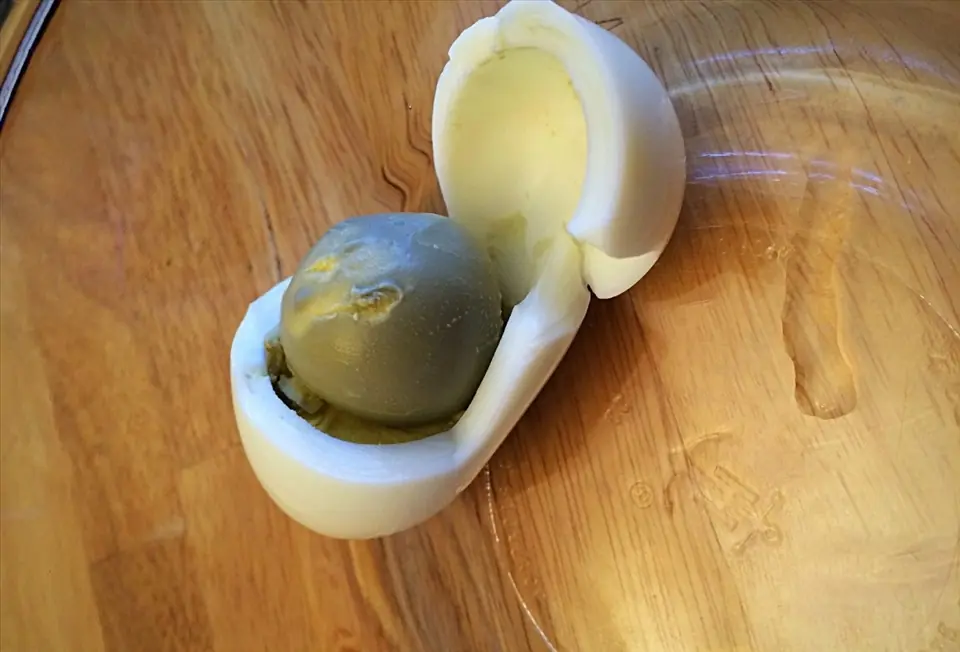
Why does a green ring sometimes form around an egg yolk? The answer may surprise you!

Simple At-Home Tips to Clean Your Phone’s Speaker
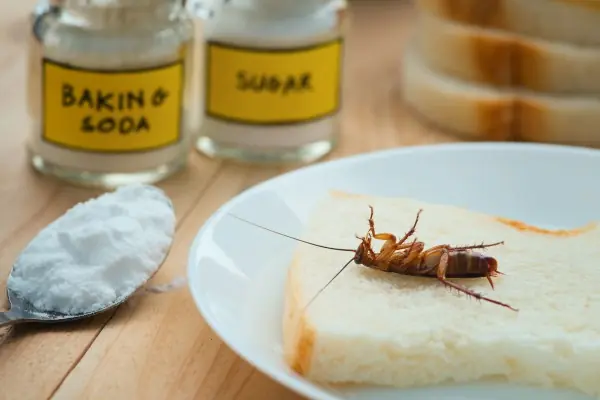
4 Effective Methods to Eliminate Cockroaches from Your Home
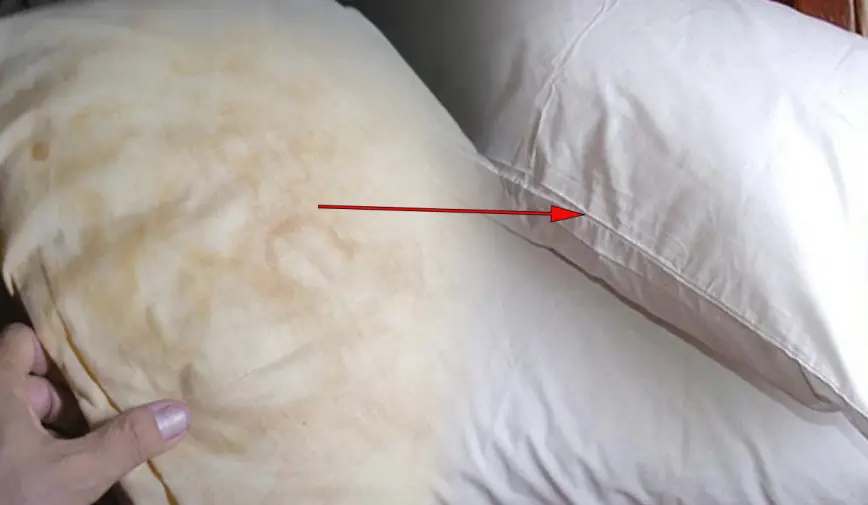
How to Clean Yellowed Pillow Inserts with Small Mold Spots
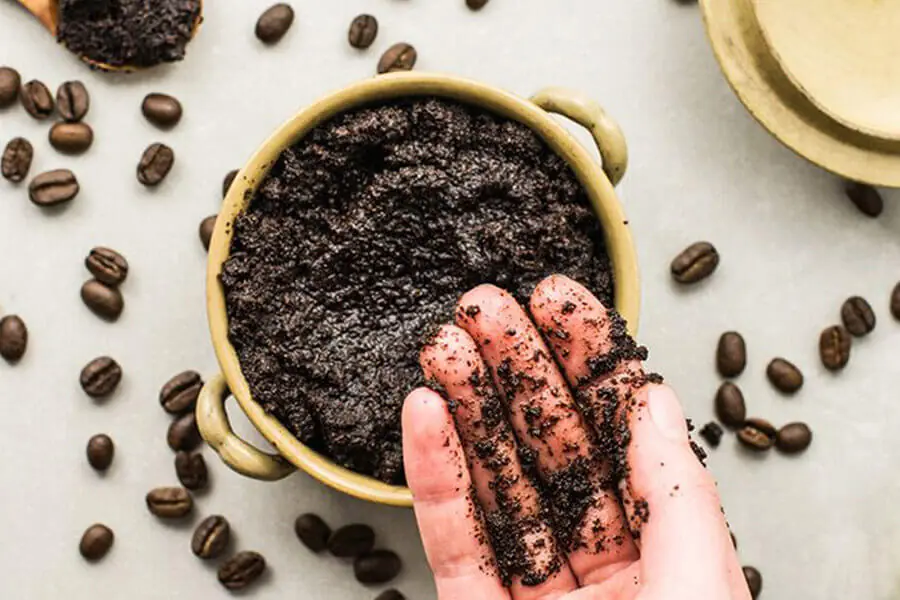
Surprising Household Uses for Used Coffee Grounds
Clean Your Fan Without Taking It Apart — A Simple Plastic Bag Trick That Takes Just Minutes

5 Simple and Effective Ways to Eliminate Ants from Sugar
Clean your electric fan quickly without taking it apart
Four household items you should throw away right now
How to eliminate bed bugs using natural solutions

This kitchen disagreement will sound too familiar to anyone who cooks with family.
This strange wall problem could cost you thousands if ignored.
Which natural plants can help prevent mice from entering your home?
The Practical Benefits of Using Salt and Fabric Softener for Home Care

Waking Up at 3 or 4 A.M.? It Could Be a Clear Sign of an Underlying Issue

Don’t ignore unusual changes in your feet

She Di:ed From a Stroke and Came Back: What She Saw Will Sho:ck You
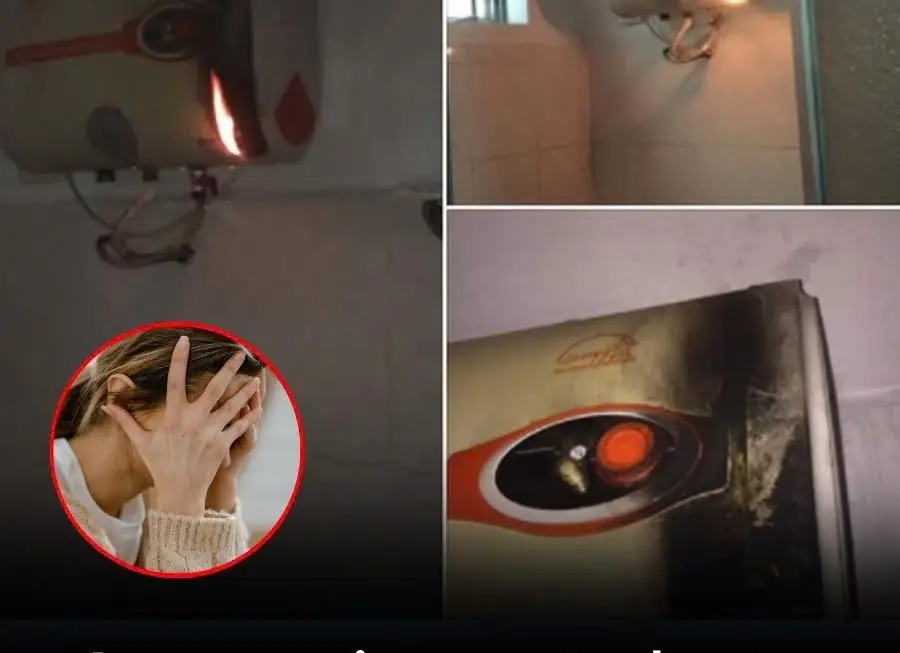
One mistake nearly cost me my life. Anyone using a heater must know this

Hearing Unusual Sounds in Your Ear? You’re Not Alone
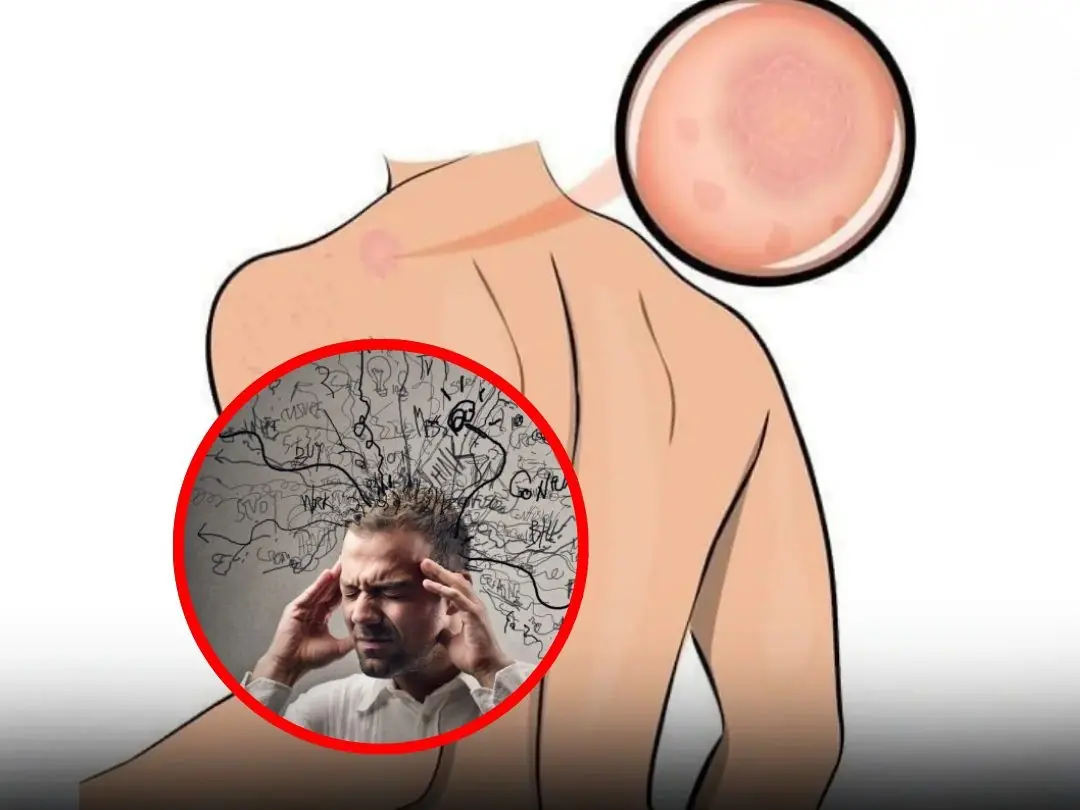
7 Warning Signals Your Body Sends When Stress Is Taking Over

5 Subtle Nose Symptoms That May Point to Underlying Diseases

Some unhealthy habits during intimacy may be a hidden cause of cervical can.cer in women.

Heart Blockage Doesn’t Always Start in the Chest — These Nighttime Foot and Leg Signs Matter

Why Your Throat Feels Mucusy and What It Could Mean

A 65-year-old woman died suddenly at dawn — doctors say her bedtime habits were the real kil.ler
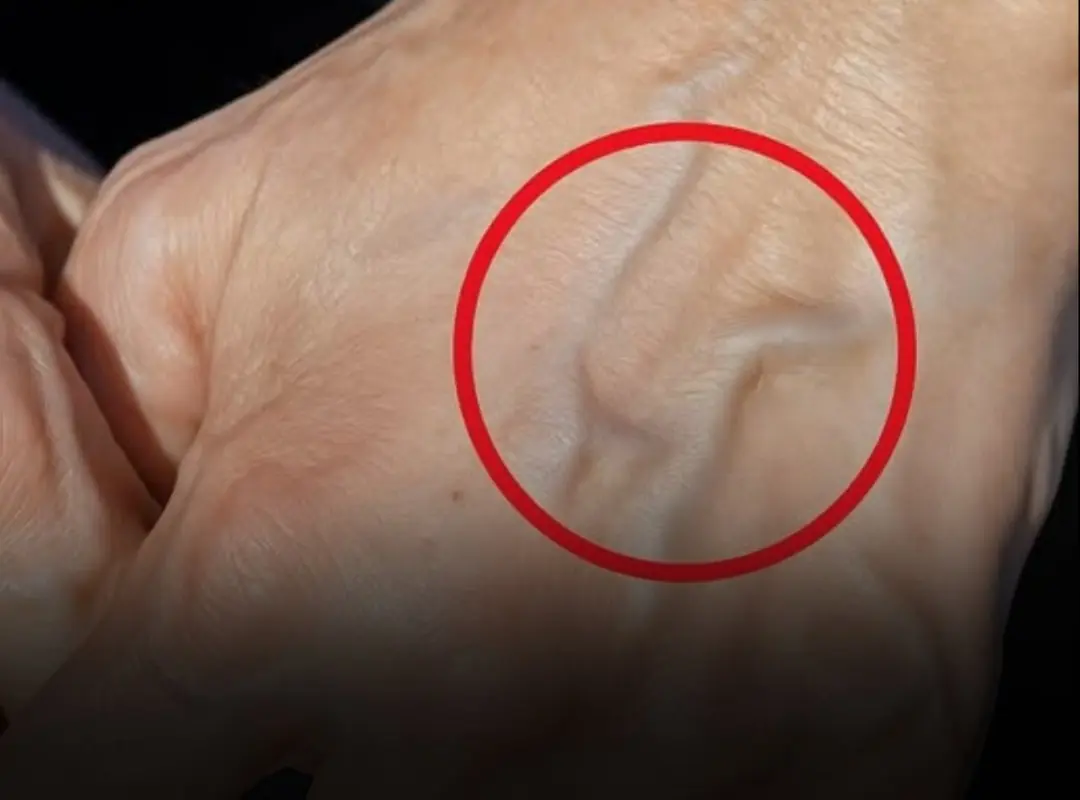
If you have visible veins, it means you are… See more

Coconut water may have a unique interaction with kidney function

3 “De.a.dly” Cough Warning Signs Doctors Want You to Know

Morning Dry Mouth Explained: 8 Factors to Consider

Ginger: Potential Benefits and What to Know

5 critical moments when the risk of brain blee.ding increases

Protect kidney function by steering clear of these 4 harmful beverages and choosing healthier fluids

Although coconut water is healthy, certain 6 groups should not consume it