
The Night I Was Called the “Family Mistake”—and the Day They Came Back in Tears
The Night I Was Called the “Family Mistake”—and the Day They Came Back in Tears
Story 25/02/2026 00:37
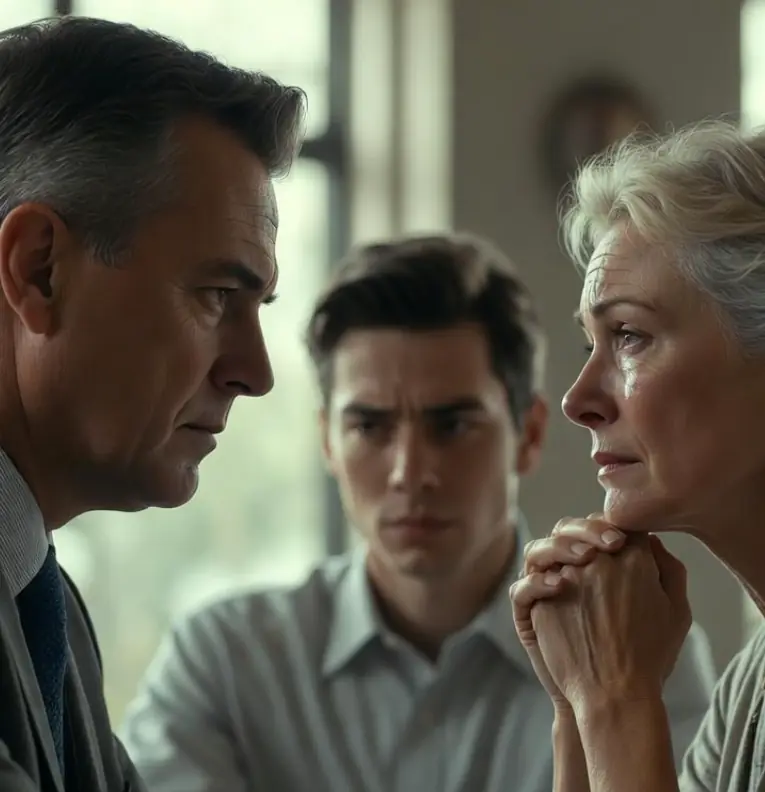
When my parents divorced, they made me choose sides without saying it
The silence in my father’s new apartment in downtown Seattle had a different texture than the silence in my mother’s suburban house. In my father’s place, it was a sterile, expectant silence, filled with the scent of leather furniture and expensive takeout. At my mother’s, the air was thick with the aroma of slow-cooker meals and a lingering, heavy sadness that seemed to cling to the curtains. I was twenty-two, a college senior, and I had become a professional traveler between two worlds that refused to acknowledge each other’s existence.
My parents, David and Elena, prided themselves on having a "civilized" divorce. There were no shouting matches in the driveway, no dramatic court battles over property, and no vitriolic rants delivered to me about the other’s failures. On the surface, they were the models of maturity. But beneath that polished veneer lay a sophisticated web of emotional expectations that I felt tightening around my chest every single day.
They never asked me to choose a side. They were too "respectful" for that. Instead, they used the most potent weapon in the arsenal of family dynamics: the silent, heavy weight of their own vulnerability.
Whenever I visited my father on the weekends, he would spend the first hour showing me the "improvements" he had made to his life. He would show me the new sound system, the photos from his solo hiking trip, and the sleek, minimalist kitchen. He was constantly performing a version of happiness that felt fragile and performative.
"It’s just so much more peaceful now, isn't it, Sam?" he would say, leaning against the counter and looking at me with an intensity that demanded validation. "I finally feel like I can breathe. I hope you feel that too when you’re here."
He wasn't criticizing my mother. He was simply inviting me to agree that life without her was superior. If I didn't nod enthusiastically enough, the "peaceful" silence would turn chilly. My father didn't use anger; he used a quiet, disappointed withdrawal. To stay in his good graces, I had to become a cheerleader for his new identity, a co-pilot in his journey of "self-discovery."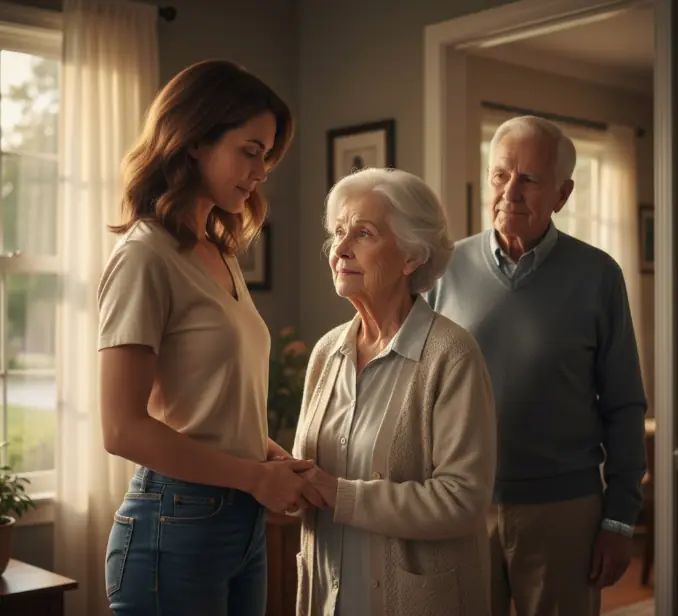
Then, on Sunday evening, I would drive across the bridge to my mother’s house. The transition was like moving from a cold, bright room into a warm, dim one. My mother didn't perform happiness. She performed a quiet, noble suffering. She would be sitting at the kitchen table, the shadows long across the floor, waiting for the sound of my key in the lock.
"I’m so glad you’re home, Sam," she would whisper, pulling me into a hug that lasted just a few seconds too long. "The house is so incredibly quiet when you’re gone. I don't quite know what to do with myself."
She never asked what I did with my father. She never asked if he seemed happy. Instead, she would recount the small, lonely details of her week—the lightbulb she couldn't reach to change, the movie she started but couldn't finish because it felt "wrong" to watch it alone. She made herself small and helpless, positioning me as the only person capable of keeping her afloat.
The internal conflict was exhausting. I felt like a bridge being pulled in opposite directions until the cables began to fray. When I was with my father, I felt a sense of betrayal toward my mother’s sadness. When I was with my mother, I felt a simmering resentment toward my father’s forced joy. I was the keeper of their secrets, the auditor of their emotions, and the primary source of their validation.
The manipulation was practiced through the things they didn't say. It was the way my mother would sigh when she saw a photo of my father on social media, never uttering a word but letting the sound carry the weight of a thousand accusations. It was the way my father would "generously" offer to pay for my spring break trip, only to follow it with a comment about how he was "finally able to be the father he wanted to be" now that he wasn't "held back" by domestic friction.
I realized that I was no longer a son; I was an emotional currency. My presence was used to prove who had "won" the divorce, who was the more "likable" parent, and who was the most "needed."
The psychological toll was a slow-growing anxiety. I started lying to both of them to keep the peace. I told my father I loved the new apartment, even though it felt like a hotel. I told my mother I missed her constantly, even when I was enjoying the quiet of my own dorm room. I was losing the thread of my own feelings because I was so busy managing theirs. I was a chameleon, changing my colors to match whichever parent was currently looking at me.
The breaking point came during my graduation weekend. Both parents insisted on hosting separate "small celebrations." My father wanted a sophisticated dinner at a high-end steakhouse; my mother wanted a traditional backyard barbecue with the extended family. Neither would budge. Neither would suggest a joint event.
"I just want this to be special for you, Sam," my father said, his voice smooth and certain. "You’ve worked so hard. You deserve the best."
"I’ve been looking forward to this since you were in kindergarten," my mother said, her eyes welling up with tears. "I just want us all to be together in the home where you grew up."
I sat in my car in the parking lot of a grocery store, my head resting on the steering wheel, and I finally let the anger rise. For two years, I had been a diplomat in a war that wasn't mine. I had carried their guilt, their loneliness, and their pride on my shoulders, and I was done. I realized that by trying to be everything for both of them, I had become nothing for myself.
The drama of reclaiming my autonomy didn't involve a public scene at graduation. It happened in two separate, quiet conversations.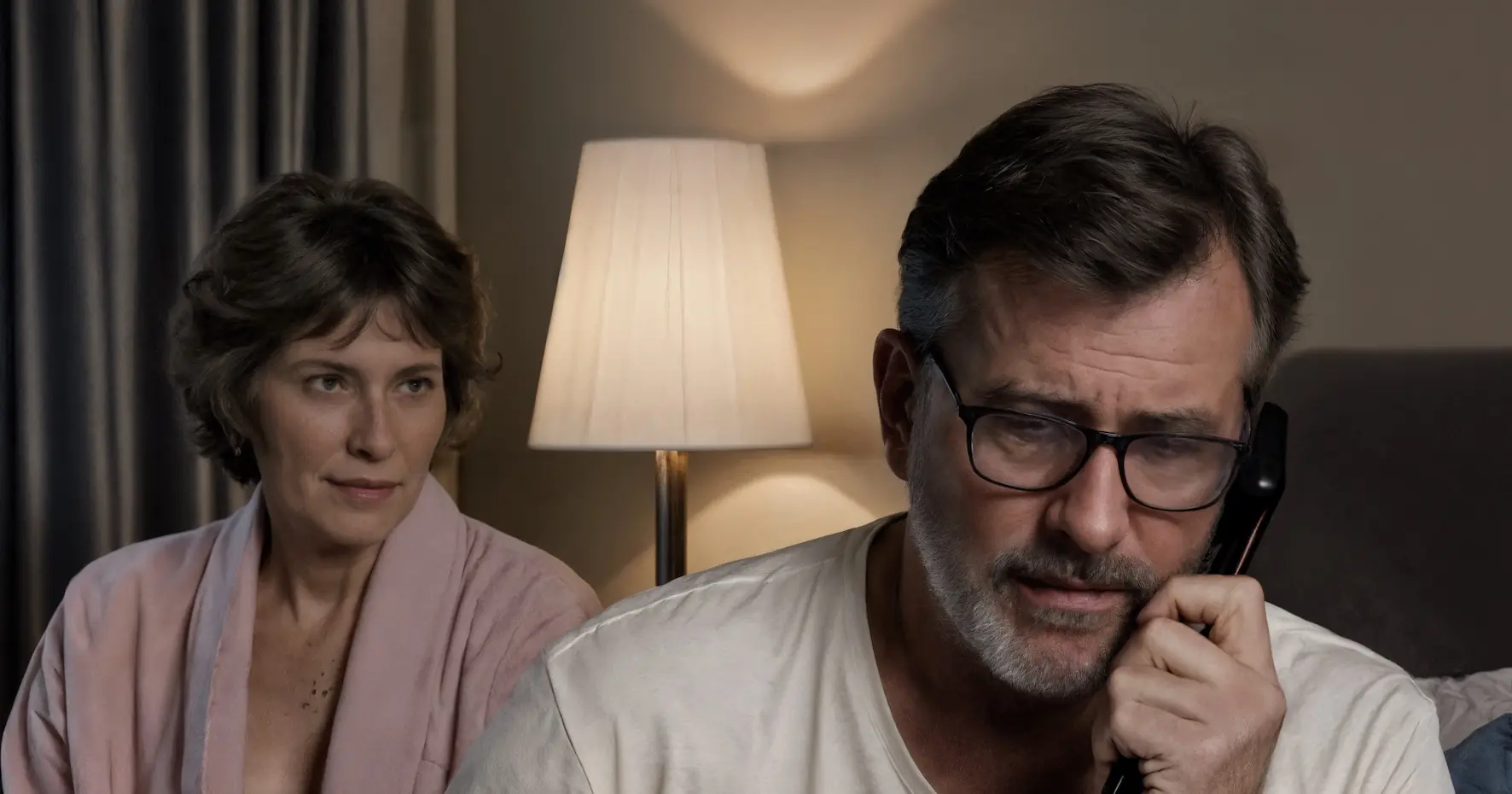
"Dad," I said, sitting in his leather-scented living room. "I'm not coming to the steakhouse. I'm having one lunch after the ceremony, and I’ve invited both of you to a neutral restaurant. If you can’t sit at the same table for two hours to celebrate my achievement, that is a choice you are making, not me. I’m done being the person who manages your comfort."
The silence that followed was the "disappointed" kind, but for the first time, it didn't make me flinch. I watched him try to find a way to make me feel guilty, but the armor of my own truth was too thick.
Then, I went to my mother’s house. "Mom, I'm not doing the backyard barbecue. I love you, and I know you’re lonely, but I am not the solution to your sadness. I cannot be the person who fills the holes in your life. I need you to be my mother, not my dependent."
She cried, of course. She talked about how "hard" everything had been. But I stayed in my chair, empathetic but unmoved. I didn't reach out to fix her feelings. I allowed her to have them, and I allowed myself to walk away from them.
Reclaiming my emotional autonomy was like learning to walk again after a long injury. I had to learn how to say "no" without feeling like a traitor. I had to learn that their happiness was their responsibility, not a task assigned to me at birth.
The divorce had fractured our family, but my parents’ refusal to be honest about their expectations had nearly fractured me. By refusing to choose sides, I finally chose the only side that mattered: my own.
Today, I still see both of them. I still love them. But the "traveler between worlds" has retired. I no longer audit their stories or buffer their silences. When I visit my father, I am a guest, not a cheerleader. When I visit my mother, I am a son, not a savior. The silence in both of their homes is still there, but it no longer feels like a demand. It’s just silence. And in that quiet space, I have finally found the room to hear my own voice again. I am no longer a choice they made; I am the person I chose to become.
The Night I Was Called the “Family Mistake”—and the Day They Came Back in Tears

Standing My Ground: When “Family First” Turned Into a Threat

My “Golden Child” Sister Tried to Turn My First Home Into Her Family’s Free Ride

A “Family Weekend” That Turned Into a Lesson They Won’t Forget
A Signature, a Family Secret, and the $9.8 Million Silence

And how long will this freeloader continue to live it up at our expense? She’s been here three months, eating wine and red caviar

A weak woman forbade her husband from entering the hospital room. The doctor turned pale upon discovering the truth

My Husband Brought His Girlfriend Home—But When He Followed Me, He Discovered the Truth He Never Expected

I hid the truth about my business and income from my fiancé and his family, and at a family dinner they found out the truth

The future bride arrived at the groom’s family home, dictating her terms. But the mother-in-law was wiser
The Promise My Stepfather Made On My Graduation Day
Living Between Two Homes Taught Me What My Stepmother Was Really Trying to Do
My Mother-in-Law and I Cried Over the Same Baby Blanket
The Day My Stepfather Defended Me Without Saying Much
My Stepmother Sat in the Front Row When No One Else Did
The Letter My Mother-in-Law Never Meant for Me to Read Changed Everything
The Weekend My Stepfather and I Finally Said What We Were Afraid To Admit
Living with My Stepmother After the Divorce Wasn’t the End of My Family
My Mother-in-Law and I Stopped Competing the Day We Shared the Same Fear

The Stepfather I Refused to Call Dad Never Gave Up on Me
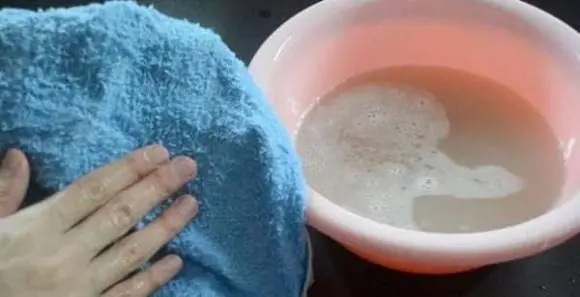
Easy and budget-friendly ways to clean towels effectively
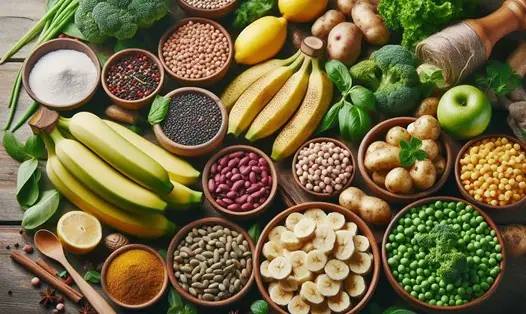
5 foods that can help lower visceral fat while improving digestive health

Cracked heels can sometimes indicate underlying health issues

A Pharmacist Reveals Three Cancer Warning Signs That May Appear in the Morning

Doctors say a 20-year-old man developed 3 pa.rasite infections after consuming this vegetable

Why You Might Be Waking Up with a Panic Attack

A simple plastic cap…
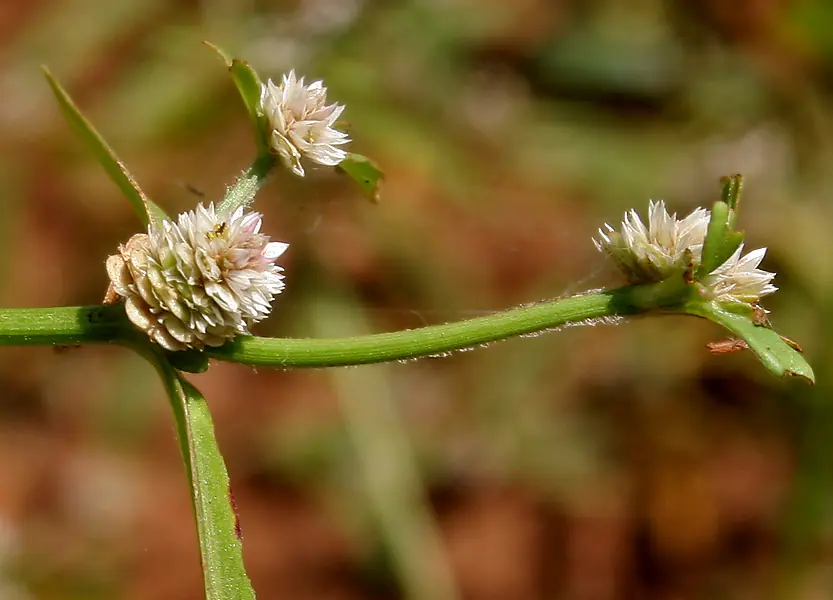
Exploring Sessile Joyweed (Alternanthera sessilis): 30 Traditional Benefits and Natural Uses

How Many Dates a Day Is Healthy?

Doctors Reveal What Happens to Your Body When You Eat Winged Beans
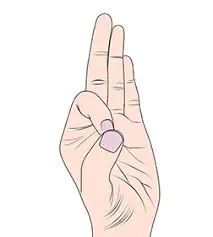
This Simple Finger Stretch Might Have Surprising Benefits — Try It for a Few Seconds
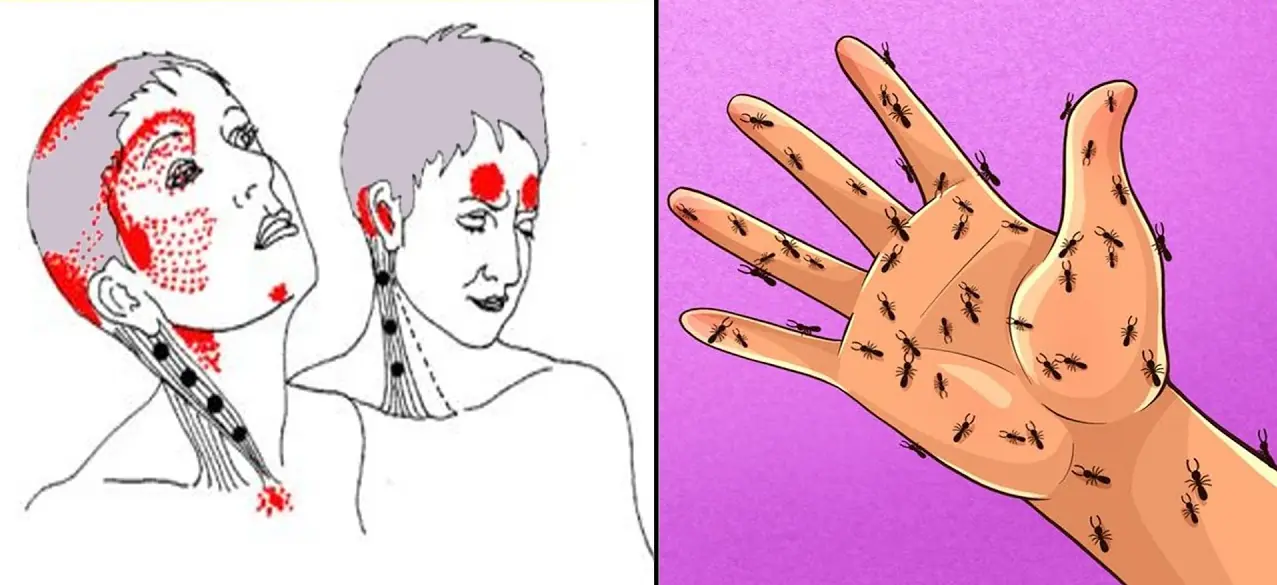
Most people ignore these signs… until it’s too late.
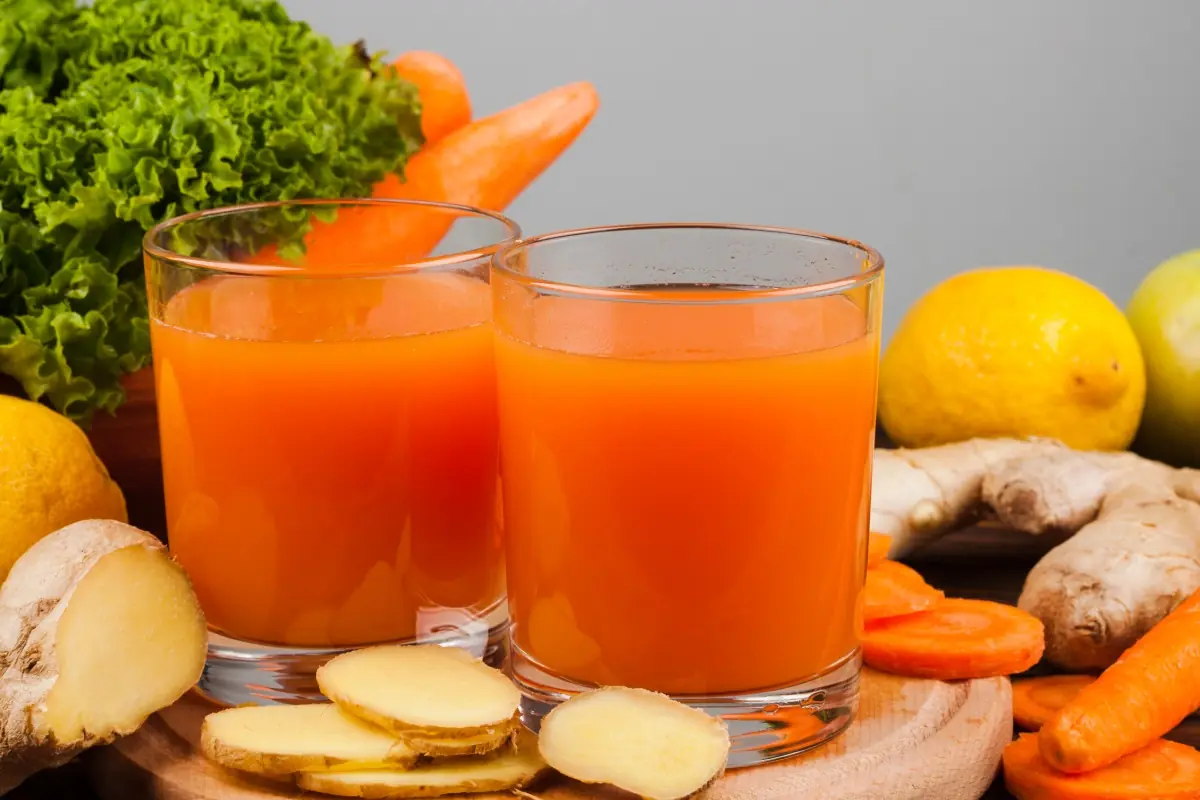
The surprising benefits of carrot and lemon for glowing skin
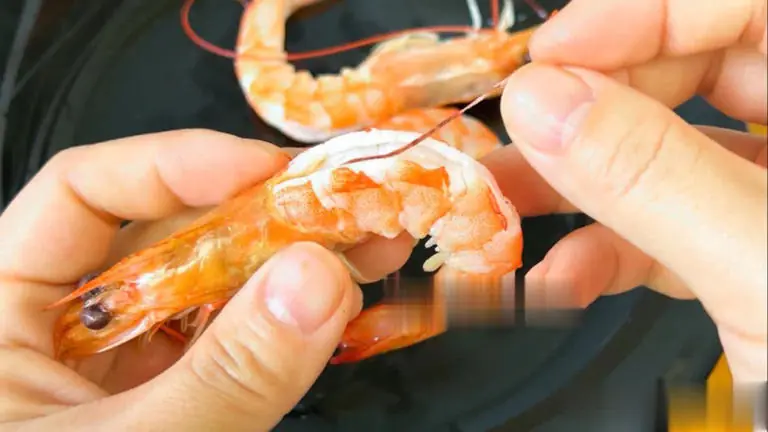
5 groups of people who should be cautious when eating shrimp

Is Coconut Water Good for Your Kidneys? Here’s What Happens in Your Body
Viral ‘BeanTok’ Gut Health Claims Raise Questions — Experts Explain
Wondering if your kidneys are healthy? Look for these 5 signs
Olive Oil or Vegetable Oil: Which One Is the Healthier Choice?

5 Clear Warning Signs of Colon Cancer You Should Never Ignore

The Mystery of Waking Up at 3-5 AM: Science, Sleep Patterns and Spiritual Perspectives