Traditional markets have always been the choice for many people when looking to buy fresh food. There, you can find freshly picked vegetables, fish and meat that are still very fresh, and it's easy to bargain. However, not everything that looks good at the market is worth buying. Some items that seem good may actually carry many risks, ranging from hygiene issues to deceptive practices. At best, you waste money; at worst, your health can be affected.
Here are four types of foods that industry insiders recommend you carefully consider before buying at traditional markets.
1. Wild Honey
When it comes to wild honey, who wouldn’t feel reassured? It’s said to be pure, straight from the hive, and full of natural nutrients. But in reality, wild honey sold at markets may have been adulterated, especially those sold together with the honeycomb.
Many sellers feed bees with sugar water made from white sugar, then harvest the honey to sell at high prices. Sometimes, just a few tens of thousands of dong worth of sugar can produce a liter of “wild honey” that looks good but doesn’t guarantee nutritional value.
2. Frozen Hotpot Balls of Unknown Origin
Beef balls, shrimp balls, crab balls, cheese balls... all kinds are sold at frozen food stalls in markets at very cheap prices and are very convenient. However, if you look closely, most of them lack labels, expiration dates, or manufacturer information.
The biggest risk is that you don't know how long they have been frozen—maybe a few weeks, or even months. In improper storage conditions, they can easily become contaminated or spoil.
3. Pre-ground Meat
Pre-ground meat is very convenient for making stuffed dishes, meatballs, or stir-fry. However, many market meat stalls use leftover meat, old meat, or unsellable scraps to grind, mixed with fat, cartilage, or skin bits.
Since the input materials are not controlled, it is hard to know whether the meat is still fresh or has been kept for many days. In fact, ground meat that has been stored too long may have a slight unpleasant odor, but this is often masked by spices or coloring.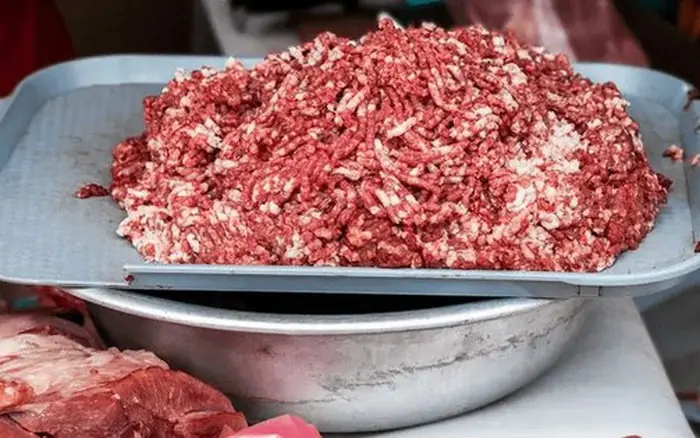
4. Pig Blood
This dish is common in soups, noodle dishes, or hotpots. However, not all pig blood sold is truly fresh blood. Many vendors use industrial blood powder mixed with water and additives to create the color and firmness similar to real blood.
It looks smooth, slices without crumbling, and tastes tender, but it is completely fake blood. Fake blood usually lacks air bubbles inside, has unusually high elasticity, and may contain coloring agents or preservatives that can be harmful to health if consumed over a long period.