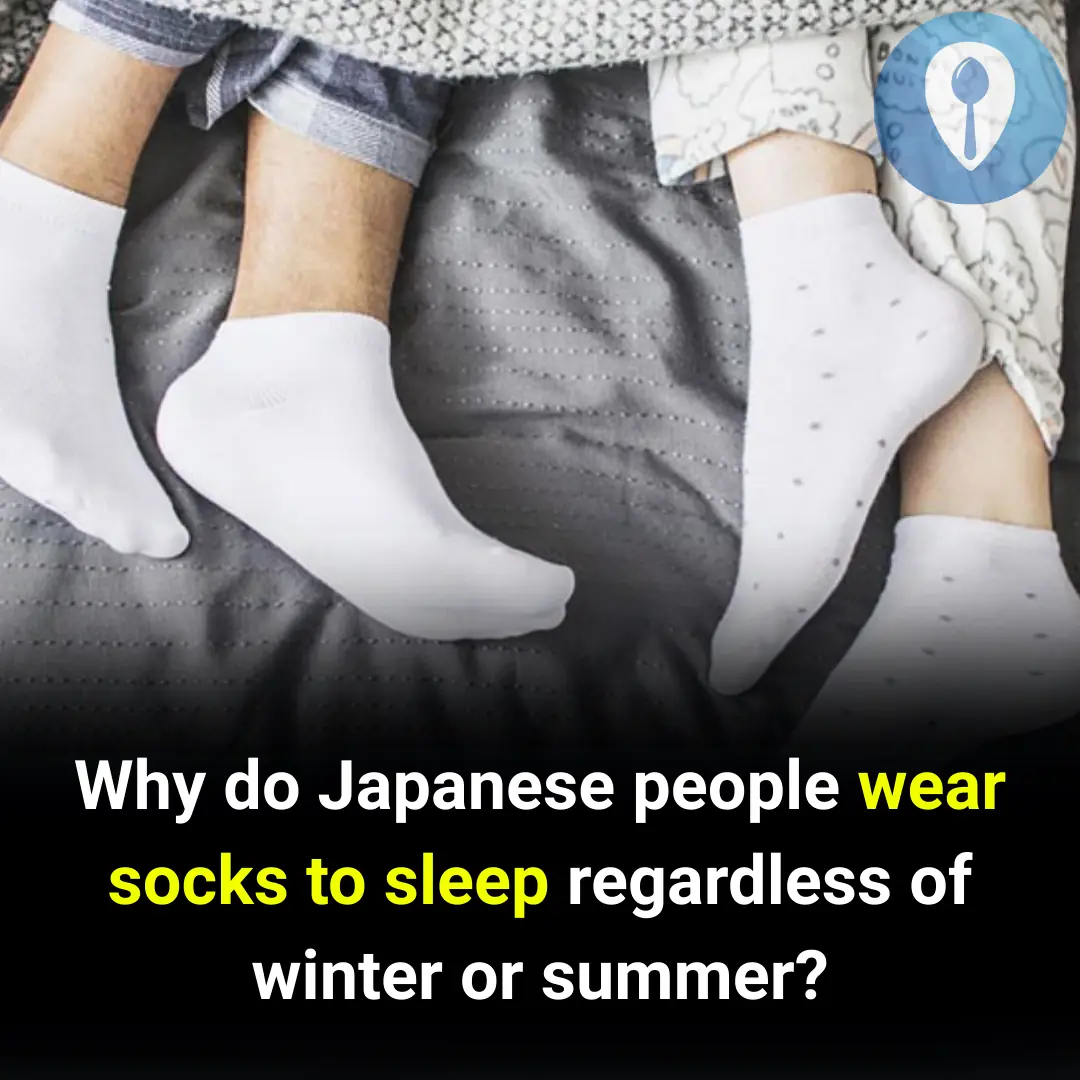
Wearing socks to bed helps improve blood circulation, keeps the feet warm, makes it easier to fall asleep, increases total sleep time, and thereby enhances longevity.
In Japan, people wear socks almost year-round, and many do not even take them off while sleeping. This country also has the highest average life expectancy in the world. For 20 consecutive years, Japan’s life expectancy has reached 84.6. Scientists believe that the habit of wearing socks may be related to health and longevity.
In fact, many analyses have shown the benefits of wearing socks and keeping the feet warm in general. A study published in the Journal of Physiological Anthropology found that wearing socks improves sleep quality and helps people fall asleep about 15 minutes faster than usual. This habit can also increase total sleep time by about 32 minutes on average. By keeping the feet warm during sleep, blood circulation improves, body temperature stays relatively stable, and it becomes easier to drift off.
Meanwhile, research from the University of Surrey and Northwestern University showed that poor sleep quality can reduce life expectancy by up to 10%. In reality, people who often struggle with insomnia experience weakened immunity, as well as a higher risk of diabetes and neurological disorders.
Wearing socks to bed also helps alleviate menopausal hot flashes—sudden body heat, night sweats, palpitations, and facial flushing caused by hormonal imbalance during menopause, which disrupts temperature regulation. Sleeping with socks can lower the body’s core temperature at night, reducing the severity of hot flashes.
Some people frequently suffer from cold hands and feet, mainly because their blood vessels constrict excessively, reducing blood flow to the extremities and causing numbness and chill. Wearing socks to bed can help relieve this condition and keep the feet warm.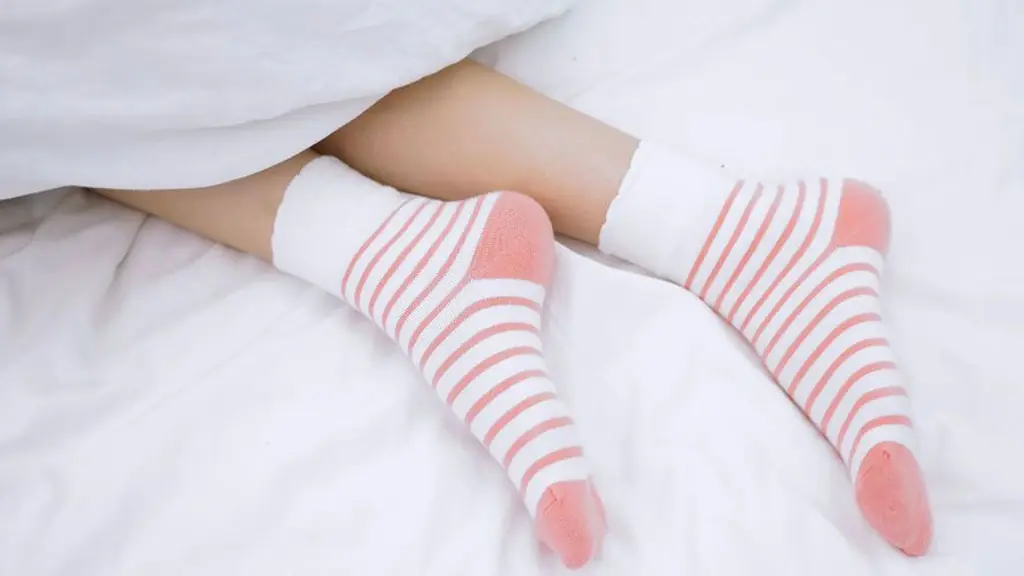
During the day, with sunlight and active metabolism, body temperature naturally stays higher. But at night, when the sun sets, external temperatures drop, and the body’s temperature also decreases by about 1–2°C. Metabolism slows, and because the feet are farthest from the heart, circulation there is less efficient, often leaving them colder than the rest of the body. Lower body and foot temperatures can negatively affect sleep.
Besides wearing socks to bed, other lifestyle habits also contribute to Japan’s ranking among the countries with the highest life expectancy.
The Japanese eat lightly, using less salt, oil, and seasoning. Unlike the Chinese preference for fried, stir-fried, and braised dishes, the Japanese favor a more “original” diet, using simple cooking methods to preserve the nutritional content of food.
They also enjoy intellectual games. Even at an advanced age, many Japanese go to game centers and even play esports. This form of “brain exercise” helps slow aging and improves cognitive performance.