Bladder cancer is often described as a disease that can hide in plain sight. Many of its early symptoms look like common urinary issues—something people may ignore, treat at home, or assume will go away. The message in the image is direct: “5 common warning signs of bladder cancer you shouldn’t overlook.”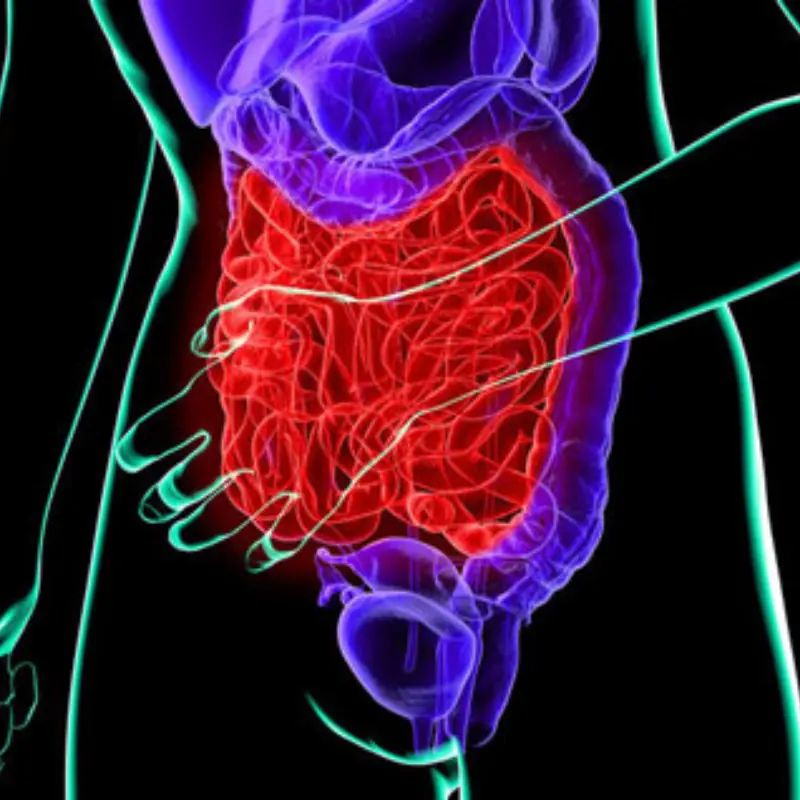
While these symptoms can be caused by infections, kidney stones, or other non-cancer conditions, they still deserve attention—especially if they appear repeatedly or don’t improve. Early detection of bladder cancer can greatly increase treatment success. Knowing the warning signs may help you seek medical evaluation sooner rather than later.
What Is Bladder Cancer?
Bladder cancer occurs when abnormal cells grow uncontrollably in the bladder lining. It is more common in older adults and tends to affect men more than women, but anyone can develop it. Smoking is one of the biggest risk factors because harmful chemicals enter the bloodstream and are later filtered by the kidneys, concentrating in the urine and irritating the bladder lining over time.
Other risk factors include:
-
Long-term exposure to certain industrial chemicals
-
Chronic bladder inflammation
-
Family history of bladder cancer
-
Previous radiation or chemotherapy exposure
-
Older age (especially over 55)
1) Blood in the Urine (Even If It Doesn’t Hurt)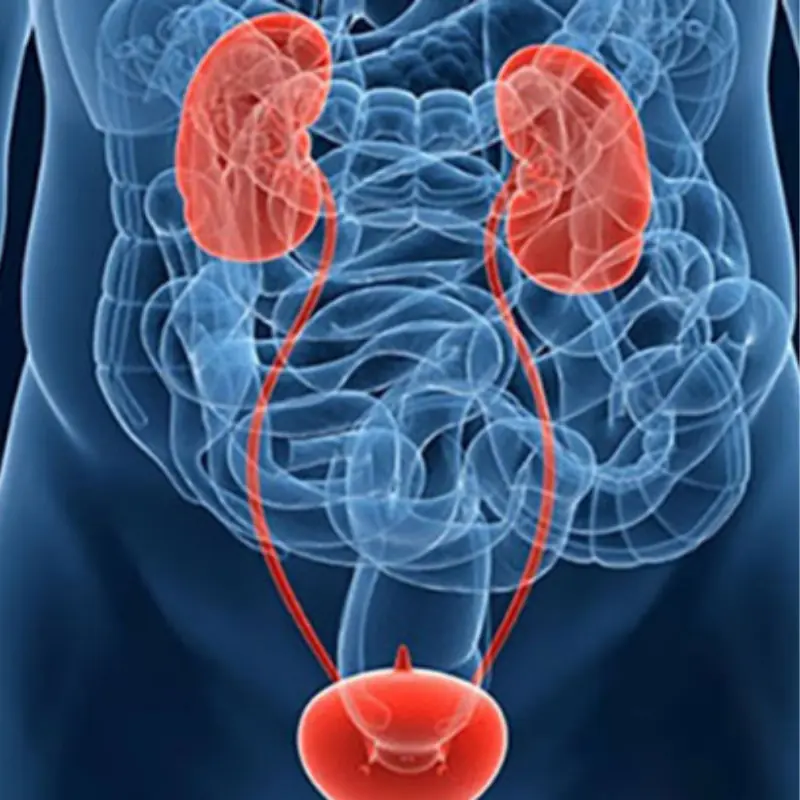
The most common early symptom of bladder cancer is hematuria, or blood in the urine. It may appear as pink, red, or brown urine. Sometimes the blood is not visible and is only detected in a urine test.
One reason this symptom is dangerous is that it can come and go, leading people to ignore it. Many people assume it is caused by a minor infection or dehydration. However, blood in the urine should always be checked, especially if it happens more than once.
Don’t ignore: blood in urine with no pain, even once.
2) Frequent Urination or Feeling the Need to Urinate Often
If you suddenly need to urinate more frequently than usual—especially without drinking more fluids—it may be a warning sign. The bladder becomes irritated, and abnormal growth can reduce how much urine it can comfortably hold.
This symptom is often mistaken for:
-
Overactive bladder
-
Urinary tract infection (UTI)
-
Aging-related bladder changes
If frequency continues for weeks, it deserves medical attention.
3) Burning Pain or Discomfort When Urinating
Painful urination is commonly linked to UTIs, but bladder cancer can also cause irritation and inflammation. The difference is that infection-related pain often improves quickly with antibiotics, while cancer-related irritation may persist or return.
If you experience burning pain repeatedly, especially when urine tests show no infection, it is worth investigating further.
Warning sign: pain that keeps returning or doesn’t match infection results.
4) Difficulty Urinating or Weak Urine Stream
Some people experience trouble starting urination, a weak stream, or the feeling that the bladder isn’t empty after going. This can happen when a tumor blocks urine flow or causes swelling and irritation in the bladder outlet area.
While prostate problems are a common cause of weak stream in men, bladder issues should not be ruled out—especially if symptoms are new, worsening, or combined with blood in urine.
5) Pelvic Pain, Lower Back Pain, or Unexplained Fatigue
In more advanced cases, bladder cancer may cause pain in the pelvis or lower back, often on one side. Some people also feel unusual fatigue, weight loss, or loss of appetite. These symptoms can occur for many reasons, but if they appear together with urinary changes, they should be taken seriously.
Seek urgent care if: pain is persistent, worsening, or combined with urinary symptoms.
When to See a Doctor
You should schedule a medical check-up if you notice:
-
Blood in urine (even once)
-
Urinary symptoms lasting more than 1–2 weeks
-
Recurrent “UTIs” that don’t improve
-
Pain and urine issues without a clear cause
Doctors may use urine tests, imaging scans, or a cystoscopy (a camera test) to examine the bladder.
Prevention and Reducing Risk
You can’t prevent every case, but you can reduce risk by:
-
Avoiding smoking
-
Drinking enough water daily
-
Limiting exposure to industrial chemicals
-
Seeking treatment for chronic bladder inflammation
-
Getting regular health checkups if high-risk
Conclusion
Bladder cancer symptoms can look ordinary—but they should never be ignored when they persist. Blood in the urine, frequent urination, burning pain, weak stream, and pelvic discomfort are five warning signs that deserve attention. The earlier bladder cancer is found, the better the chance of successful treatment. If your body is giving you signals, listen—and get checked.