5 "Negative Energy" Plants to Avoid Planting in Front of Your House: They May Bring Poverty for Generations
According to feng shui, there are five types of plants believed to attract negative energy ("yin energy") and bring misfortune when planted in front of a house. These plants are thought to block prosperity and happiness, potentially leading to poverty over three generations. Which plants should you avoid?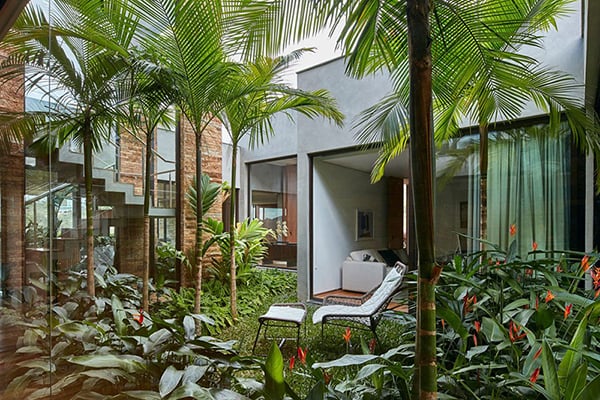
1. Mulberry Tree – Symbol of Mourning
In Chinese, the word for mulberry (“dâu” - 桑) sounds similar to the word for funeral (“tang” - 喪), representing loss and sorrow. Planting a mulberry tree in front of your home is considered inauspicious.
Additionally, mulberry trees tend to attract insects and cast a thick shade, which can block positive yang energy from entering the home. This can create a gloomy atmosphere and reduce prosperity.
Note: If you've already planted one, consider relocating it away from your front door or replacing it with a plant that brings positive energy.
2. Weeping Willow – Tree of Sorrow
The weeping willow, with its drooping branches and leaves, symbolizes sadness and lifelessness. In feng shui, it’s considered a yin-energy plant—unsuitable for the front of the house, which should be filled with light and vitality.
Planting a willow tree in front of your home may lead to family discord, low energy, and misfortune. Willow trees are more appropriate for quiet places like cemeteries or secluded gardens.
3. Spirit-Linked Trees – Banyan and Frangipani
Banyan trees and frangipani (plumeria) are often associated with spiritual folklore and are believed to be shelters for spirits. Planting them in front of a house may attract yin energy and cause unease or even invite misfortune.
Moreover, banyan trees have large roots that can damage house foundations or pavements. This may lead to structural issues, declining health, or financial instability.
Tip: If you want to plant a large tree, choose fruit-bearing ones like mango, longan, or betel nut palm—these carry more positive symbolism.
4. Cacti and Thorny Plants – Symbol of Conflict
Cacti may be easy to care for, but in feng shui, their sharp thorns represent hostility and conflict. When placed in front of a house, they are believed to block the flow of wealth and create tension among household members or neighbors.
Cacti are better placed in a corner of the home or office to deflect negative energy—not directly at the entrance.
5. Large Trees that Block Light – Heavy Yin Energy
Old trees with wide canopies, like the Indian almond tree, cast deep shade that blocks sunlight and yang energy. This can darken the home’s aura, making the space feel heavy and lifeless. Financial difficulties, poor health, and a stifling home atmosphere may follow.
If you want shade, opt for trees like the Barringtonia or plumeria, which offer both beauty and auspicious energy.
Disclaimer: This information is for reference only and reflects feng shui beliefs, not scientific evidence.