A thermos is one of the most convenient everyday items for keeping beverages hot or cold for hours. Whether you're commuting, traveling, working at the office, or enjoying outdoor activities, an insulated bottle helps maintain the temperature of your favorite drinks.
However, while a thermos is excellent for preserving temperature, it isn't the ideal storage container for every type of beverage. Some drinks can lose their flavor, nutritional quality, or even become less safe if left in a thermos for extended periods—especially if the bottle isn't cleaned properly or if the drink is stored at an unsafe temperature.
Knowing which beverages require extra care can help you enjoy better taste while reducing the risk of foodborne illness.
Here are seven types of drinks that may not hold up well in a thermos and why.
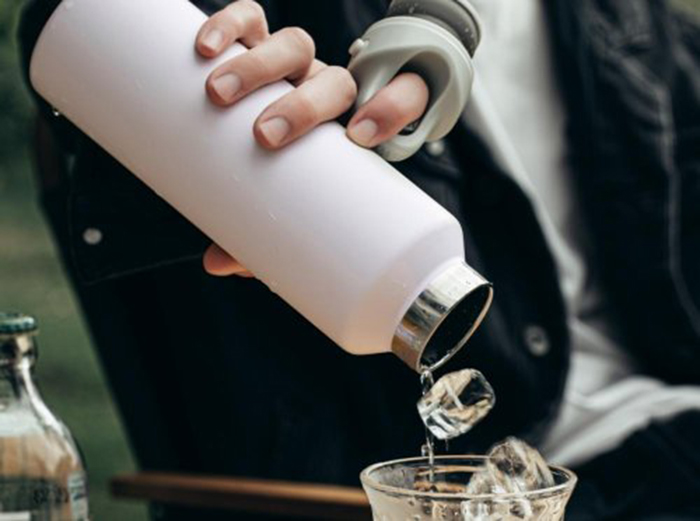
1. Milk
Milk is one of the beverages that deserves the most caution.
Because milk is rich in protein and natural sugars, it can become an ideal environment for bacterial growth if it is kept in the temperature danger zone (approximately 40°F to 140°F or 4°C to 60°C) for too long.
While a high-quality thermos can help maintain safe temperatures for several hours, safety depends on:
-
The starting temperature of the milk
-
The quality of the thermos
-
How long it remains stored
-
Ambient temperature
If milk cools or warms into the danger zone, bacteria can multiply rapidly.
In addition, prolonged heat may:
-
Affect flavor
-
Alter texture
-
Cause separation
Better option
If transporting milk:
-
Chill it thoroughly before placing it into a pre-chilled insulated bottle for cold storage.
-
Keep hot milk very hot if using an insulated container for warm beverages.
-
Consume it within a reasonable time and refrigerate leftovers promptly.
2. Fresh Fruit Juice
Freshly squeezed juices contain valuable nutrients, but they also contain natural enzymes that continue working after the juice is prepared.
Over time, juice may experience:
-
Flavor changes
-
Loss of freshness
-
Vitamin C degradation
-
Color changes
If unpasteurized juice is kept at unsafe temperatures for extended periods, harmful bacteria may also multiply.
Highly acidic juices are generally safe to store briefly in stainless steel thermoses, but they are best consumed soon after preparation for optimal quality.
3. Tea
Many people carry tea in thermoses throughout the day.
While this is generally safe, tea may gradually lose quality during prolonged storage.
Extended heat exposure can lead to:
-
Bitter taste
-
Darker color
-
Reduced aroma
-
Changes in delicate flavor compounds
Green tea, white tea, and herbal teas are especially sensitive.
Some antioxidants may also gradually decline with prolonged exposure to heat, although tea still remains a healthy beverage.
4. Coffee
Coffee can also lose its best qualities when left in a thermos all day.
Over several hours:
-
Aromatic compounds dissipate.
-
Bitterness may increase.
-
Oxidation changes the flavor profile.
-
The coffee may taste stale.
A stainless-steel thermos generally preserves coffee better than leaving it exposed to air, but freshly brewed coffee usually offers the best flavor.
5. Protein Shakes
Protein drinks made with:
-
Milk
-
Yogurt
-
Protein powder
-
Fresh fruit
are excellent after exercise but should not be left unrefrigerated for extended periods.
Protein-rich beverages may spoil if temperatures become unsafe.
Additionally:
-
Ingredients may separate.
-
Texture changes.
-
Flavor deteriorates.
If preparing protein shakes in advance, refrigeration is usually the safest option until you're ready to drink them.

6. Carbonated Beverages
Thermoses are generally not designed for carbonated drinks.
Carbonation produces pressure inside sealed containers.
Depending on the bottle design, pressure buildup may:
-
Cause leaks
-
Make the lid difficult to open
-
Lead to unexpected splashing when opened
Carbonated beverages also lose their fizz over time.
Always check the manufacturer's instructions before storing sparkling beverages in an insulated bottle.
7. Smoothies
Smoothies often contain ingredients such as:
-
Yogurt
-
Milk
-
Fruit
-
Vegetables
-
Nut butter
Because they contain multiple fresh ingredients, smoothies can gradually lose quality during extended storage.
Possible changes include:
-
Separation
-
Oxidation
-
Color changes
-
Flavor changes
If dairy products are included, food safety also becomes an important consideration if the smoothie is not kept sufficiently cold.
Why Temperature Matters
Many people assume that because a thermos keeps drinks hot or cold, food safety is guaranteed.
In reality, insulated bottles slow temperature change—they do not sterilize beverages or stop bacteria from growing if unsafe temperatures are reached.
Food safety depends on:
-
Initial temperature
-
Storage duration
-
Cleanliness of the container
-
Outside temperature
-
Beverage ingredients
A quality thermos can help maintain safer temperatures longer, but it cannot make spoiled food safe again.
Tips for Using a Thermos Safely
To get the most out of your insulated bottle:
Preheat or pre-chill it
Before filling:
-
Add hot water for several minutes if carrying hot drinks.
-
Add ice water for cold beverages.
This improves temperature retention.
Wash thoroughly after every use
Protein, milk, coffee, and tea residues can leave behind bacteria or mold if not cleaned properly.
Use:
-
Warm water
-
Dish soap
-
A bottle brush
-
Thorough drying before storage
Don't Keep Drinks All Day if They Contain Dairy
Milk-based beverages should generally be consumed within a reasonable timeframe.
If you won't drink them for many hours, refrigeration may be a better choice.
Avoid Leaving a Filled Thermos in a Hot Car
Even insulated containers eventually warm up under intense heat.
This can increase the risk of bacterial growth in perishable beverages.
Follow Manufacturer Instructions
Not every thermos is designed for:
-
Carbonated drinks
-
Dairy
-
Soup
-
Acidic beverages
Reading the manufacturer's recommendations helps prevent leaks and prolongs the life of the bottle.
Choosing the Right Drink for a Thermos
Some beverages generally perform very well in insulated bottles, including:
-
Plain water
-
Hot water
-
Black coffee (for several hours)
-
Brewed tea (short-term)
-
Hot herbal infusions
-
Warm broth
-
Hot chocolate (consumed within a reasonable time)
These drinks tend to retain their quality better than highly perishable beverages.
Common Myths About Thermoses
Myth 1: A Thermos Prevents All Bacterial Growth
False.
A thermos helps maintain temperature but cannot eliminate bacteria or stop them from multiplying if food enters an unsafe temperature range.
Myth 2: Drinks Stay Fresh Indefinitely
False.
Even if a beverage remains hot or cold, flavor, aroma, texture, and some nutrients may gradually decline over time.
Myth 3: Stainless Steel Reacts With Every Acidic Drink
False.
Most modern food-grade stainless steel thermoses are designed to safely hold acidic beverages such as coffee, tea, and many fruit juices for normal use. However, prolonged storage may still affect the beverage's quality, and it's best to follow the manufacturer's recommendations.
When Should You Throw a Drink Away?
It's safest to discard a beverage if it:
-
Develops an unusual odor.
-
Has a sour or off taste.
-
Shows signs of curdling or separation (when not expected).
-
Appears moldy.
-
Has been left at unsafe temperatures for an extended period.
When in doubt, it's safer not to drink it.
Final Thoughts
A thermos is an excellent tool for keeping beverages hot or cold, but not every drink maintains its quality or safety - equally well during extended storage. Milk, fresh fruit juice, tea, coffee, protein shakes, carbonated beverages, and smoothies may lose flavor, texture, or freshness over time, and some can pose a greater food safety risk if stored at inappropriate temperatures.
The key to using a thermos safely is to start with a properly heated or chilled beverage, use a clean, well-maintained insulated bottle, and avoid storing perishable drinks for longer than recommended. By understanding how different beverages respond to time and temperature, you can enjoy better-tasting drinks while reducing the risk of spoilage.