
Okra May Be Healthy, but It Isn’t the Best Choice for Everyone — 3 People Who Should Limit It
Okra Has Many Benefits, but 3 Groups of People Should Eat It With Caution
Health 08/03/2026 17:19
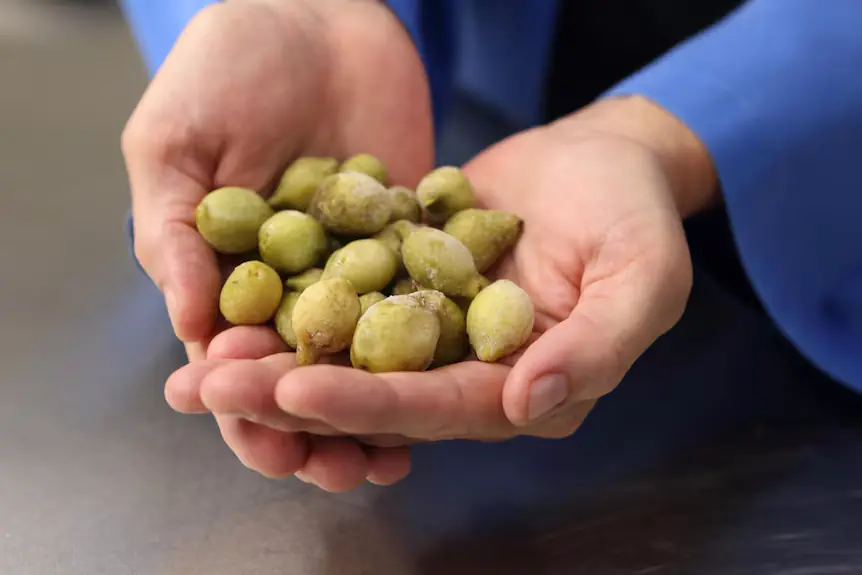
Kakadu plum (Terminalia ferdinandiana), also known as gubinge or billygoat plum, is a small fruit native to northern Australia. It has pale green skin, a fibrous texture, and a sour, slightly bitter taste.
In traditional medicine, it has been used to help treat colds, flu, headaches, and as a topical antiseptic. Today, the fruit is mainly known for its high nutritional value, especially its vitamin C content.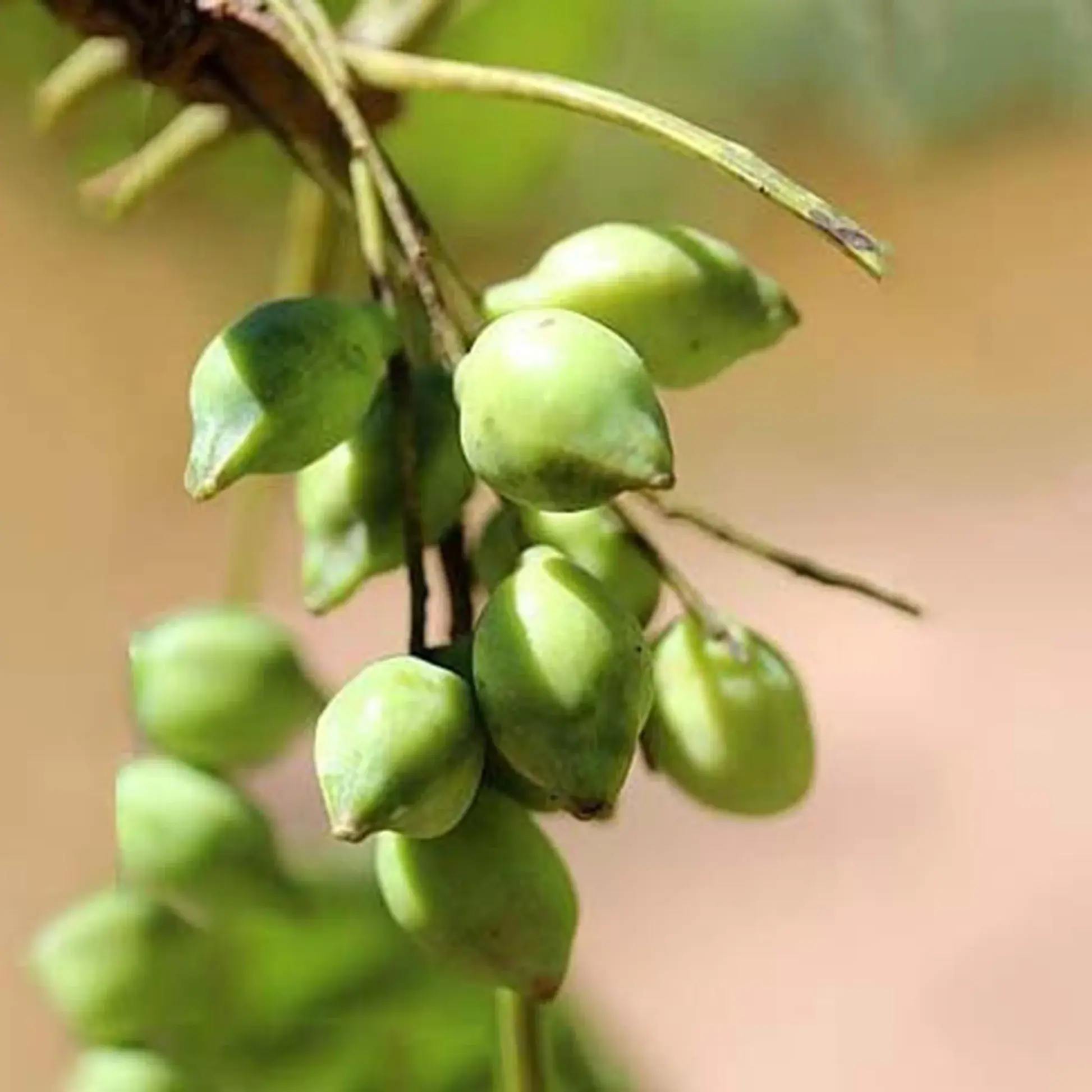
Kakadu plums are low in calories and rich in nutrients, including fiber, vitamin C, copper, and iron.
Nutritional value per 100 g:
Calories: 59
Carbohydrates: 17.2 g
Fiber: 7.1 g
Protein: 0.8 g
Fat: 0.5 g
Sodium: 13 mg
Vitamin C: over 3,000% of the daily value
Copper: 100% DV
Iron: 13% DV
They also contain small amounts of magnesium, zinc, calcium, thiamine, and riboflavin.
These nutrients support immune function, red blood cell production, digestion, and overall health.
Kakadu plum is considered the richest natural source of vitamin C known.
Just 100 grams provides more than 3,000% of the recommended daily intake.
Vitamin C acts as a powerful antioxidant and helps:
Support the immune system
Protect cells from oxidative stress
Aid collagen production
Improve iron absorption
However, vitamin C levels can decrease after harvesting or cooking, which is why the fruit is often frozen soon after picking.
Kakadu plums contain ellagic acid, a polyphenol also found in berries and nuts.
Laboratory studies suggest ellagic acid may have:
Antioxidant properties
Anti-inflammatory effects
Antimicrobial activity
However, more human studies are needed to confirm these benefits.
Kakadu plums contain many antioxidants, including:
Flavonols (such as quercetin and kaempferol)
Ellagic and gallic acids
Anthocyanins
Lutein
These compounds help neutralize free radicals, which are unstable molecules linked to aging and certain chronic diseases.
Some laboratory research suggests Kakadu plums may also:
Support anti-inflammatory responses
Show antibacterial activity against certain food pathogens
Contain compounds that may help slow cancer cell growth in test-tube studies
However, these findings come mainly from lab or animal studies, and more human research is needed.
Kakadu plums are very high in vitamin C and oxalates. In large amounts, these may increase the risk of kidney stones in sensitive individuals.
People with a history of kidney stones or kidney disease should consume them in moderation.
Because the fruit is sour and fibrous, it is rarely eaten raw. Instead, it is often used in:
Jams and sauces
Juices and smoothies
Freeze-dried powders added to foods or supplements
Kakadu plum is a nutrient-dense fruit best known for its exceptionally high vitamin C and antioxidant content. While early research suggests several potential health benefits, more clinical studies are needed to confirm its effects.
Okra Has Many Benefits, but 3 Groups of People Should Eat It With Caution

Watch Your Intake: 6 Foods That Can Impact Calcium Balance in the Body

Oysters Are Nutritious, But 6 Groups of People Should Avoid Eating Them

Notice These Signs in Your Saliva? A Medical Check-Up May Be Helpful

What Lemon Water Can Do for Your Body: 17 Benefits Worth Knowing

A Simple Trick Before Steaming Sweet Potatoes That Chefs Often Use

Two Pressure Points Behind Your Knees You Should Know

When Should You Avoid Bananas? 2 Situations to Know

No matter how expensive they are, you should never eat these foods after they have been left overnight. Don’t gamble with your health!

The Real Advantages of Starting Your Day with Coffee
12 Health Benefits of Starting Your Day with Banana and Avocado for 30 Days

A 50-Year-Old Man Died After Eating Leftovers From the Fridge: 5 Foods You Should Never Keep Overnight

Waking Up With a Headache? Here Are the Signs That May Point to Stroke Risk

If You Always Need the Bathroom After Eating, Here’s What Doctors Say

Oregano’s natural compounds may support health in several ways.

Some fruits may carry hidden risks if poorly handled or stored.

These two simple foods could transform your morning routine.

A young teacher’s tragic death raises awareness about liver cancer.
Watch Your Intake: 6 Foods That Can Impact Calcium Balance in the Body
Oysters Are Nutritious, But 6 Groups of People Should Avoid Eating Them
Notice These Signs in Your Saliva? A Medical Check-Up May Be Helpful
4 Smart Things to Store Under Your Bed
What Lemon Water Can Do for Your Body: 17 Benefits Worth Knowing

Flight Attendants Reveal Why They Sit on Their Hands Before Takeoff

A Simple Trick to Deal with Peeling Walls and Mold Stains Without Professional Help
A Simple Trick Before Steaming Sweet Potatoes That Chefs Often Use
Two Pressure Points Behind Your Knees You Should Know
When Should You Avoid Bananas? 2 Situations to Know
No matter how expensive they are, you should never eat these foods after they have been left overnight. Don’t gamble with your health!
The Real Advantages of Starting Your Day with Coffee
12 Health Benefits of Starting Your Day with Banana and Avocado for 30 Days

You can grow 8 types of snake-repelling plants 👇👇👇

The Surprising Reason Kni.ves Sometimes Have a Small Hole

According to a recent study published in The British Journal of Nutrition (UK), eating about 100g of watercress per day can prevent breast cancer and many other cancers.

Do your best to be the parent your children deserve

The Ideal Battery Percentage to Charge Your Phone for Longer Lifespan
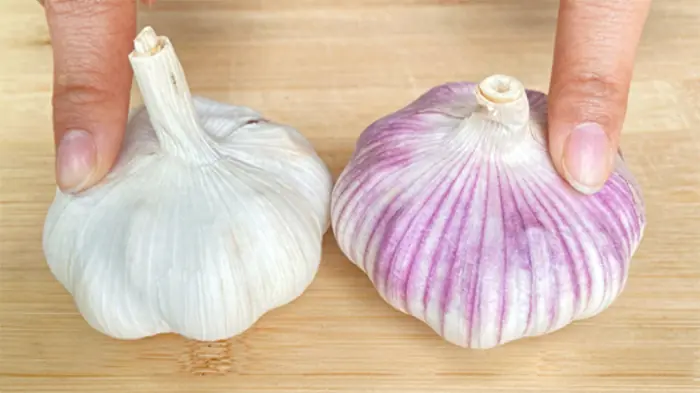
Which Is Better When Buying Garlic: White or Purple Skin?