
The Night I Was Called the “Family Mistake”—and the Day They Came Back in Tears
The Night I Was Called the “Family Mistake”—and the Day They Came Back in Tears
Story 25/02/2026 00:37
 After Marriage Was Falling Apart And My Family Made It Worse Without Trying
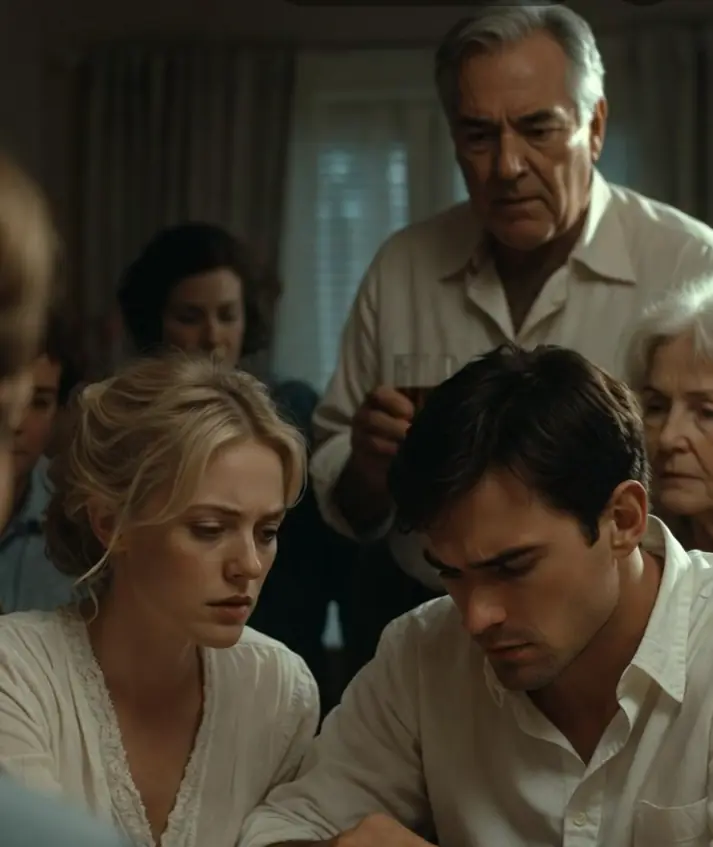
The Sunday dinners at my parents' house in New Jersey had always been the anchor of our week, or so I had told myself for years. The table would be laden with enough food to feed a small army, the air thick with the scent of garlic and rosemary, and the room vibrating with the boisterous, overlapping voices of my siblings, cousins, and parents. But lately, those dinners had started to feel like a trial. I would sit next to my husband, Julian, and I could feel the invisible wall between us growing taller with every "helpful" comment lobbed across the table like a soft-shell grenade.
Julian and I were struggling. It wasn't a secret, though we tried our best to wrap it in the polite plastic of suburban normalcy. After twelve years, the spark hadn't just faded; it felt like the hearth had gone cold. We were two people who had forgotten how to speak the same language, navigating a landscape of missed connections and quiet resentments. We needed space to breathe, to talk, and to decide if there was still an "us" worth fighting for.
But in my family, space is a foreign concept. To them, a struggling marriage is a community project.
"You look tired, Elena," my mother said, her eyes flitting from me to Julian as she passed the mashed potatoes. It was that specific tone—the one that sounds like concern but feels like an indictment. "Julian, you should take her away for a weekend. Remember how your father used to take me to the Shore whenever I was out of sorts? A man needs to keep his wife’s spirits up."
Julian offered a tight, practiced smile. "We’re working on it, Margaret," he said, his voice level but his grip on his fork tightening.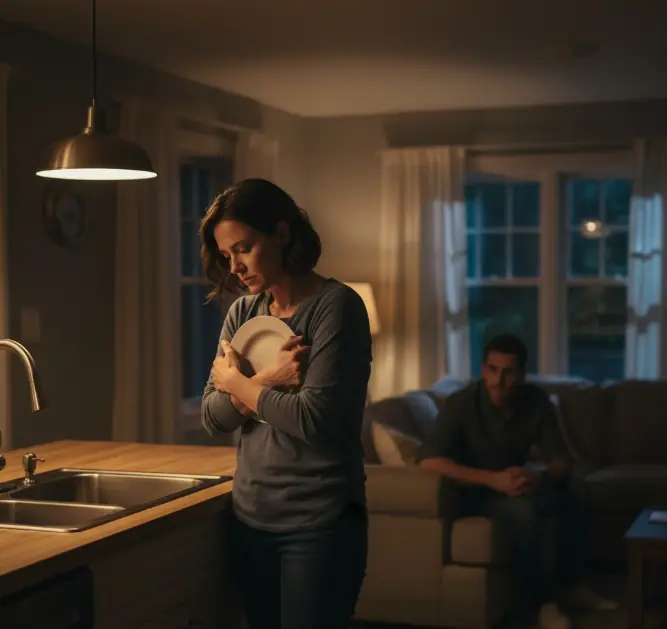
"Working on it?" my brother, David, piped in with a laugh that didn't reach his eyes. "In my house, there’s no 'working on it.' You just do it. Look at me and Sarah. We’ve had our rough patches, but we never let the sun go down on a grievance. You guys are too quiet. Silence is the rot of a marriage, Julian."
This was the subtle, constant drama of our lives. My family didn't hate Julian; in fact, they claimed to love him. But their love came with a heavy manual of instructions. They were constantly comparing our internal struggle to their own perceived successes, offering unsolicited opinions as if they were medical prescriptions. They didn't see that by trying to "help," they were stripping us of the very thing we needed most: the autonomy to fix our own mess.
The pressure didn't stop at the dinner table. It followed me home in the form of "just checking in" phone calls from my sisters.
"I saw that Julian didn't come to Aunt Rose’s birthday party," my sister Claire said during a Tuesday afternoon call. "People are starting to talk, El. It looks bad. Mom is worried that you’re pulling away. You know how she gets. She thinks Julian is isolating you."
"He had a late meeting, Claire," I lied, the exhaustion settling into my bones. The truth was that Julian couldn't face another three hours of being dissected by people who didn't understand the complexity of our silence.
"Well, just be careful," she added, her voice dropping to a conspiratorial whisper. "We just want what’s best for you. We’re your blood. Husbands can come and go, but family is forever. Don't let him make you a stranger to us."
This was the loyalty conflict that was hollowing me out. Every time I defended Julian to my family, I felt like I was betraying my "blood." But every time I allowed my family to criticize him, I was betraying my husband. I was being pulled in two directions by people who claimed to have my best interests at heart, yet none of them had bothered to ask me what I actually felt. They were so busy protecting the family image that they were willing to sacrifice my peace of mind to maintain it.
The strain on Julian was even worse. I watched him retreat further into himself with every "helpful" suggestion from my father about his career or every passive-aggressive comment from my mother about our lack of children. He felt like he was being judged by a jury that had already reached a verdict.
"I feel like a guest in our life, Elena," he told me one night, standing in the kitchen after a particularly grueling family brunch. "Your family is everywhere. They’re in our finances, they’re in our weekends, and now they’re in our arguments. I don't know where they end and where you begin."
I wanted to defend them. I wanted to say they were just "passionate" and "involved." But looking at the weariness in his eyes, I realized the uncomfortable truth. My family wasn't the support system I had portrayed them to be; they were an additional weight on a structure that was already cracking. Their involvement wasn't an act of love; it was an act of control. They weren't trying to save my marriage; they were trying to ensure that my marriage looked the way they wanted it to look.
The turning point came on a humid Saturday in July. My parents had decided to host a "reconciliation" dinner for us, inviting the entire extended clan without our consent. When we arrived, the air was thick with expectation. I saw the knowing glances, the hushed whispers as we entered the room. It felt like a stage play where Julian and I were the only ones who hadn't seen the script.
Halfway through the meal, my father stood up, clinking his glass. "I just want to say how proud we are of Elena and Julian for working through their little 'hiccup.' Marriage is about compromise, and we’re all here to make sure you stay on the right path."
The room erupted in a chorus of "hear, hears" and clinking glasses. I looked at Julian. He was staring at his plate, his face a mask of quiet, profound defeat. And in that moment, something inside me finally snapped. It wasn't an explosion of anger; it was a sudden, piercing clarity.
"Stop," I said, the word cutting through the celebratory noise like a knife.
The room went silent. My mother’s fork hovered in mid-air.
"We aren't a 'hiccup' to be managed by a committee," I said, my voice calm but absolute. "I love you all, and I know you think you’re helping. But you aren't. You’re making it harder. Every time you compare us, every time you guilt us, and every time you demand a version of us that makes you comfortable, you’re pushing us further apart."
"Elena, we’re just worried—" my mother started, her eyes welling up.
"I know you are," I interrupted. "But your worry is not my responsibility. My responsibility is to my husband and the life we are trying to rebuild. And we can’t do that while you’re all standing in the room. I’m choosing clarity over your approval. From now on, Julian and I will decide what our marriage looks like, and we will do it in private."
I stood up, reached for Julian’s hand, and for the first time in months, he gripped it back with a strength that surprised me. We walked out of that house into the humid evening air, the sound of my family’s confused voices fading behind us.
The drive home was quiet, but it wasn't the heavy, suffocating silence of the past. It was a clean, open space. We hadn't solved our problems, and the road ahead was still uncertain. But for the first time, the only people in the car were Julian and me.
I realized that seeking family approval is a trap that prevents you from ever truly growing up. I had been so afraid of disappointing my parents that I was willing to let my marriage drown in their "good intentions." By choosing clarity—by setting a boundary that was firm and non-negotiable—I had finally given our marriage the one thing it needed to survive: a chance to be ours alone.
The phone rang three times that night. It was my mother, then my sister, then my brother. I didn't answer. Instead, I sat on the porch with Julian, watching the fireflies dance in the dark. We didn't talk about the dinner. We talked about us. We talked about the things we had been afraid to say for years. The wall was still there, but we were finally holding the tools to tear it down, one honest word at a time. I am no longer the daughter who needs her family’s permission to be happy. I am a wife who is finally, truly, standing by her husband’s side.
The Night I Was Called the “Family Mistake”—and the Day They Came Back in Tears

Standing My Ground: When “Family First” Turned Into a Threat

My “Golden Child” Sister Tried to Turn My First Home Into Her Family’s Free Ride

A “Family Weekend” That Turned Into a Lesson They Won’t Forget

A Signature, a Family Secret, and the $9.8 Million Silence

And how long will this freeloader continue to live it up at our expense? She’s been here three months, eating wine and red caviar

A weak woman forbade her husband from entering the hospital room. The doctor turned pale upon discovering the truth

My Husband Brought His Girlfriend Home—But When He Followed Me, He Discovered the Truth He Never Expected

I hid the truth about my business and income from my fiancé and his family, and at a family dinner they found out the truth

The future bride arrived at the groom’s family home, dictating her terms. But the mother-in-law was wiser

The Promise My Stepfather Made On My Graduation Day
Living Between Two Homes Taught Me What My Stepmother Was Really Trying to Do

My Mother-in-Law and I Cried Over the Same Baby Blanket

The Day My Stepfather Defended Me Without Saying Much

My Stepmother Sat in the Front Row When No One Else Did

The Letter My Mother-in-Law Never Meant for Me to Read Changed Everything

The Weekend My Stepfather and I Finally Said What We Were Afraid To Admit

Living with My Stepmother After the Divorce Wasn’t the End of My Family

My Mother-in-Law and I Stopped Competing the Day We Shared the Same Fear

The Stepfather I Refused to Call Dad Never Gave Up on Me

Doctors Reveal What Happens to Your Body When You Eat Winged Beans
This Simple Finger Stretch Might Have Surprising Benefits — Try It for a Few Seconds

Most people ignore these signs… until it’s too late.

The surprising benefits of carrot and lemon for glowing skin
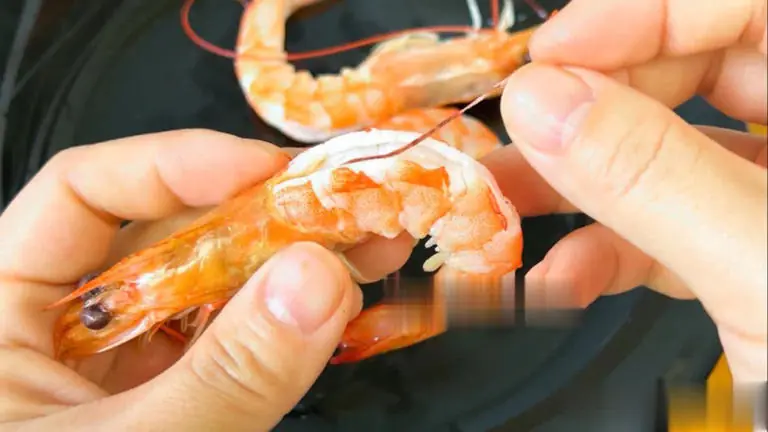
5 groups of people who should be cautious when eating shrimp

Is Coconut Water Good for Your Kidneys? Here’s What Happens in Your Body

Viral ‘BeanTok’ Gut Health Claims Raise Questions — Experts Explain

Wondering if your kidneys are healthy? Look for these 5 signs

Olive Oil or Vegetable Oil: Which One Is the Healthier Choice?

5 Clear Warning Signs of Colon Cancer You Should Never Ignore

The Mystery of Waking Up at 3-5 AM: Science, Sleep Patterns and Spiritual Perspectives
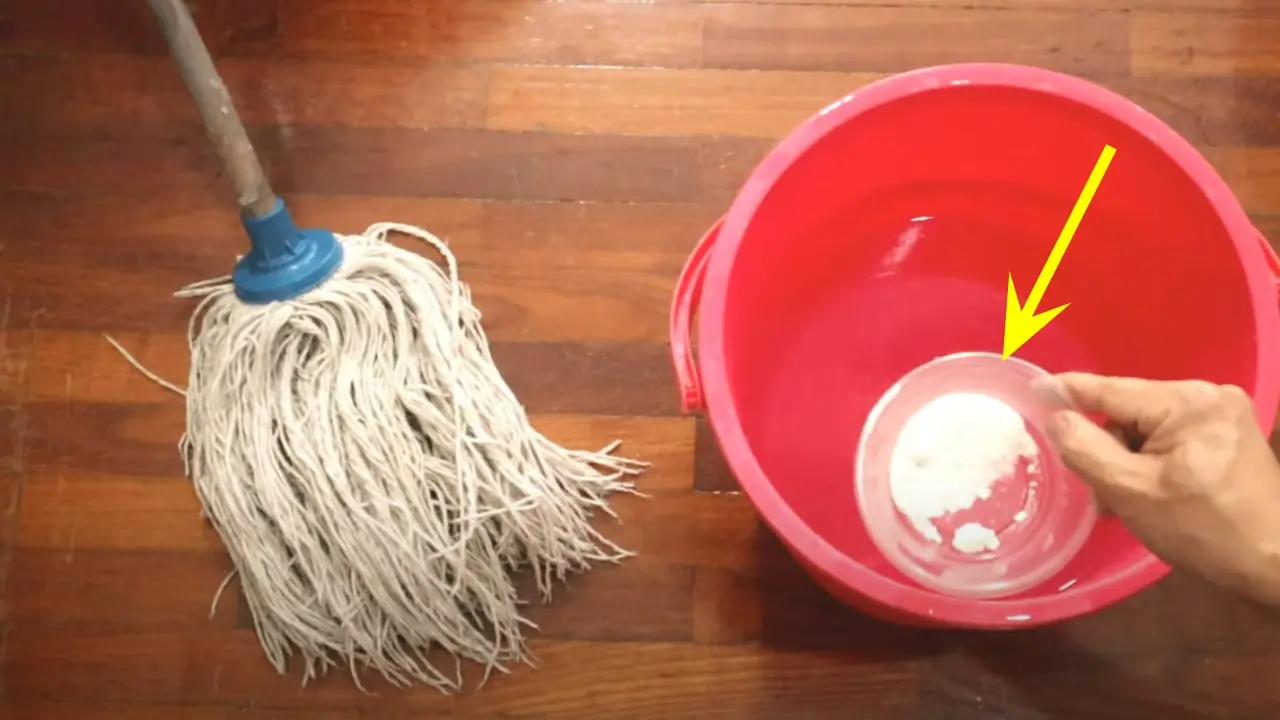
Cleaning with just water isn’t enough - try adding this for better results

5 Foods That Can Become Unsafe If Left Overnight

If you’re a woman and notice a mustache or chin hair, it could be a sign of this condition.

High Protein Intake and Kidney Health: What the Research Actually Shows
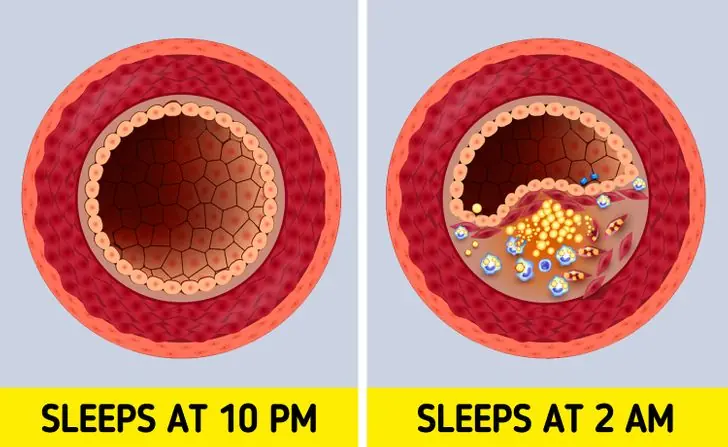
Sleeping at 10 PM Could Change Your Body — Here’s How
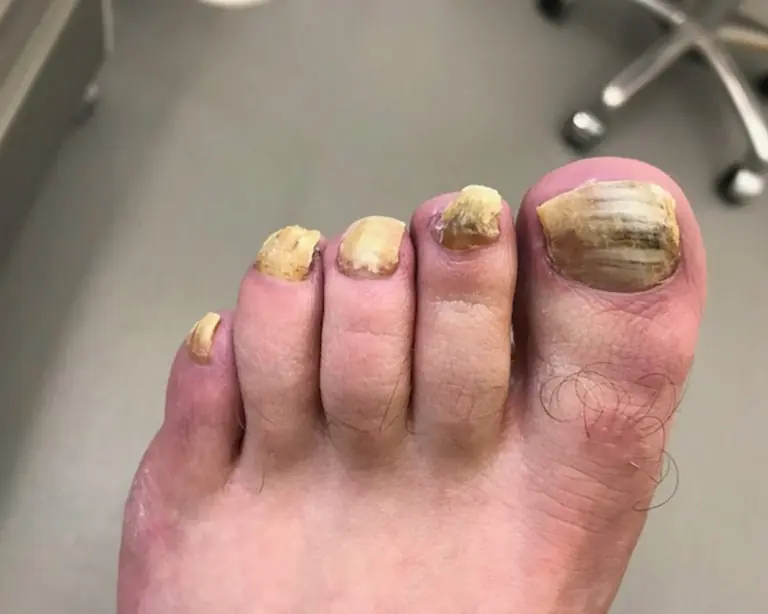
I’ve noticed my toenails getting thick and yellow, and I won’t be able to visit a doctor for several weeks. What steps can I take at home for now?

3 Houseplants That Can Naturally Repel Mosquitoes

Turmeric has recently surged in popularity, with many people praising its health benefits on social media and wellness blogs.

In the world of natural health, some plants quietly hold extraordinary potential.