Check right now to see if you’re “unlucky” enough to own one of the four types of electric kettles listed below.
If you do, it means the water you’re drinking could be laced with hidden toxins.
Recently, one type of kettle was even flagged for containing carcinogenic substances that may damage the liver. So what’s true and what’s myth? While electric kettles are convenient and common in modern households, choosing the wrong type — or using them incorrectly — can transform a helpful kitchen tool into a silent health threat, including raising the risk of cancer.
That’s why Dr. Xu Hao of Anhui Provincial General Hospital (China) has urged families to immediately check their kettles. If yours falls into one of the four categories below, it should be thrown away without hesitation. Even more importantly, keep their names on your personal “blacklist” so you don’t purchase them again in the future.
1. Rusty or peeling kettles
When the protective inner layer of the kettle begins to peel or rust appears on the walls or bottom, it’s far more than just an aesthetic issue. Harmful substances like iron oxide, nickel oxide, and chromium can leach into the boiling water.
Once inside the body, these toxins can damage the liver, kidneys, and digestive system, and worse — they may trigger cell mutations and fuel the growth of cancer cells. The risks multiply if the water is used daily for baby formula, tea, or coffee, leading to long-term toxin accumulation.
2. Plastic kettles with thin or low-quality material
Some families choose low-cost kettles made almost entirely of thin plastic, which can become soft and deformed when heated. Many of these are manufactured from recycled or substandard plastic.
When the water boils, they may release bisphenol A (BPA) and phthalates — chemicals the World Health Organization (WHO) has warned are linked to breast cancer, prostate cancer, hormonal disruption, and reduced fertility.
Warning signs include:
-
A strange odor when boiling water
-
The kettle body turning yellow over time
-
Walls becoming soft or misshapen when hot
3. Low-grade stainless steel kettles
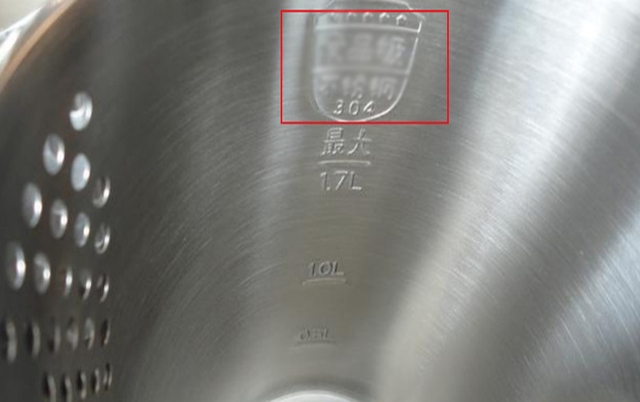
Not all shiny kettles are safe. Cheap models may be made from mixed or inferior stainless steel, which can release heavy metals like lead, cadmium, and nickel when exposed to high heat.
These metals are among the top cancer-causing agents, capable of damaging the nervous system, weakening the immune system, and altering cell DNA.
Tip for safety: Look for markings such as SUS 304 or Inox 304 (or 316) — the food-grade stainless steel recommended for kitchen use. These types do not corrode or leach metals. If a kettle does not clearly specify this, it’s safer to avoid it.
4. Kettles with strange odors or heavy scaling
If your kettle produces unusual smells (burning, plastic-like) or shows thick brownish-yellow deposits at the bottom, the water it produces is not clean anymore.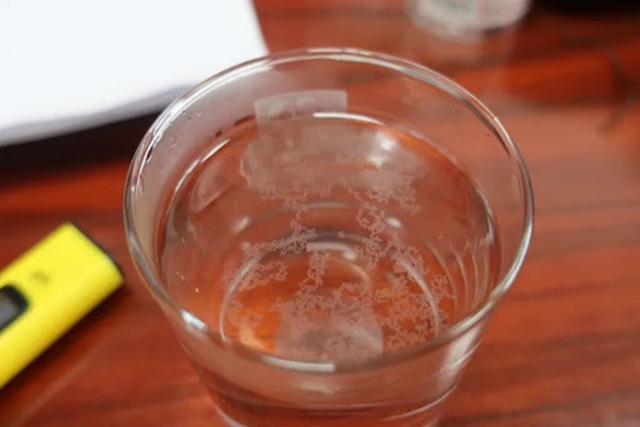
Possible causes include:
-
Mineral buildup (calcium, magnesium) from repeated boiling
-
Food residue, fats, or bacteria left behind from boiling milk, noodles, or tea leaves
-
Internal damage such as a leaking heating coil releasing anti-rust chemicals
Long-term consumption of such contaminated water can lead to digestive disorders, kidney stones, chronic gastritis, or colitis, all of which are underlying conditions that raise the risk of gastrointestinal cancers.
✅ Bottom line:
As convenient as they are, the wrong kind of electric kettle can silently endanger your health. If yours falls into any of the categories above — rusty, overly plastic, low-grade stainless steel, or foul-smelling with residue — don’t hesitate. Replace it immediately, because every cup of water could be carrying hidden dangers.