
The Worst Foods for High Cholesterol and Why You Should Avoid Them
Protect Your Heart: Foods People with High Cholesterol Should Limit
Story 10/04/2026 09:05
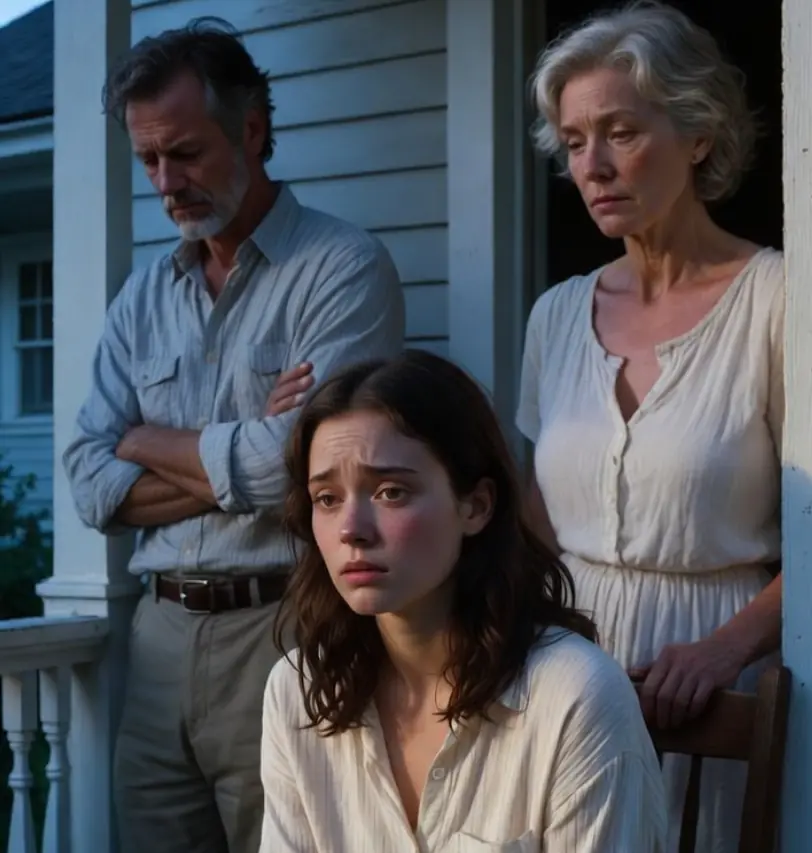 I Never Thought My Father’s Affair Would Redefine Our Entire Family
The house I grew up in, a colonial-style home on the outskirts of Atlanta, was built on a foundation of perceived perfection. For twenty-two years, I viewed my parents’ marriage as the gold standard of suburban stability. My father, Thomas, was the pillar—a hardworking, soft-spoken man who never missed a dance recital or a graduation. My mother, Diane, was the heart—the one who kept the engine running with a quiet, tireless devotion. We were the family people looked at when they wanted to believe that long-term love was a simple, linear path.
I never thought that foundation would crumble, not with a sledgehammer, but with the slow, persistent drip of a leaking faucet.
The change didn't arrive with a dramatic confrontation or a tearful confession. It arrived in the subtle shifts of the atmosphere, like the way the air turns heavy and electric before a summer storm. It started with my father’s phone. For as long as I could remember, his phone was a tool, usually left on the kitchen counter or forgotten in his coat pocket. Suddenly, it became an extension of his hand. It was always facedown. It was always with him, even when he went to the basement to fold laundry or out to the driveway to check the mail.
Then came the "work calls." My father had been an accountant for thirty years, a profession defined by predictable cycles. But suddenly, there were urgent queries at 9:00 PM that required him to step onto the back porch, his voice a low, rhythmic murmur against the chirping of the crickets. I would watch him through the glass door—his posture was different, more relaxed, his gestures more animated than they ever were when he was talking to us.
I watched my mother during those weeks, and the pain I saw in her was a quiet, dignified thing. She is a woman who values peace above all else, and I could tell she was fighting a war within herself to maintain the status quo. She noticed the phone. She noticed the late-night walks. I saw the way her hand would tremble slightly when she set his dinner plate in front of him, and the way her eyes would search his face for a flicker of the man he used to be. She didn't ask questions, perhaps because she was terrified of the answers.
The drama of our lives moved into the silence. Our dinner table, once a place of vibrant storytelling and shared laughter, became a stage for a strained performance of normalcy. We talked about the weather, the neighbors’ new fence, and my upcoming projects at work. We talked around the giant, invisible presence sitting in the empty chair between us. I found myself acting as a buffer, filling the gaps in conversation with frantic, meaningless chatter, trying to protect the image of the family I wasn't ready to let go of.
My loyalty was a fractured thing. I loved my father—he was the man who taught me how to drive, how to stand up for myself, and how to value integrity. But every time I saw him tilt his screen away from my mother’s gaze, I felt a sharp, bitter sense of betrayal. I felt like a co-conspirator in a crime I hadn't committed. I wanted to scream at him to put the phone away, to look at the woman who had spent thirty years building a life with him, to remember who we were.
The truth finally surfaced on a Tuesday afternoon in October. I was using his laptop to print some documents when a notification popped up in the corner of the screen. It wasn't an explicit image or a scandalous demand. It was a simple, brief message from a name I didn't recognize: "I'm thinking about that conversation we had yesterday. It's so rare to feel this understood."
The words were gentle, almost innocent in isolation, but in the context of the last three months, they were devastating. It wasn't a physical betrayal, but something far more invasive: an emotional one. He was giving the "best" of himself—his deepest thoughts, his most genuine reflections—to a stranger, leaving us with the exhausted, distracted leftovers.
I sat in his office chair, the hum of the printer sounding like a roar in the quiet room. The image of the "perfect" family didn't just break; it evaporated. I realized that the stability I had leaned on my entire life was a facade. My father was a man who was capable of profound deception, and my mother was a woman who was living in a house of shadows.
I didn't tell her. I didn't have to. A week later, I came home to find the house unnervingly still. My mother was sitting at the kitchen table, the laptop open in front of her. She didn't cry when she saw me. She just looked at the screen with a weary, profound disappointment that made her look twenty years older.
"I thought we were enough, Elena," she whispered.
The weeks that followed were a blur of "logistics" and heavy, painful conversations. My father didn't deny it. He spoke about "feeling lost," about a "connection that just happened," and about the "loneliness" he felt in the routine of his own life. He tried to rationalize it, to make it seem like a victimless lapse in judgment. But I saw the victim every day in the way my mother moved through the house like a ghost.
Our family image has been permanently redefined. We are no longer the "gold standard." We are just another family navigating the messy, jagged terrain of human fallibility. Trust, once a natural part of our breathing, is now a conscious, difficult effort. I look at my father now and I don't see a hero; I see a flawed man who prioritized a fleeting emotional spark over a lifetime of built devotion.
However, as the months have passed, I have reached a place of quiet, realistic reflection. I realized that my anger, as justified as it was, was a wall that prevented me from seeing the whole truth. My father is not a villain, and my mother is not a saint. They are two people who moved through three decades of life together, and somewhere along the way, they lost the map.
I am learning that love can exist alongside disappointment. I still love my father. I still value the lessons he taught me and the way he cared for me. But that love is no longer a blind, idealistic thing. It is a seasoned, complicated love that acknowledges his capacity to hurt the people he cares about. I have learned that the "perfect" family is a myth, and that real strength is found in the ability to stand in the wreckage and choose to be honest about the ruins.
The silence at the dinner table has been replaced by a different kind of communication—one that is often uncomfortable, sometimes raw, but finally, anchored in reality. My mother is finding her own voice again, realizing that her worth is not defined by my father’s attention. My father is doing the slow, humble work of trying to understand why he looked away.
I sit on the back porch now, the same porch where I used to watch his shadow. The air is cool, and the house behind me is no longer a colonial-style fortress of perfection. It’s just a house. It’s a place where a family is learning that grace isn't the absence of failure; it’s what you do with the pieces after everything has broken. I look at the stars, the same stars my father used to watch while talking to a stranger, and I feel a strange sense of peace. The image is gone, but the truth remains. We are fractured, yes. But for the first time in a long time, we are finally, truly, seeing each other.
Protect Your Heart: Foods People with High Cholesterol Should Limit

The Night I Was Called the “Family Mistake”—and the Day They Came Back in Tears

Standing My Ground: When “Family First” Turned Into a Threat
My “Golden Child” Sister Tried to Turn My First Home Into Her Family’s Free Ride

A “Family Weekend” That Turned Into a Lesson They Won’t Forget
A Signature, a Family Secret, and the $9.8 Million Silence

And how long will this freeloader continue to live it up at our expense? She’s been here three months, eating wine and red caviar
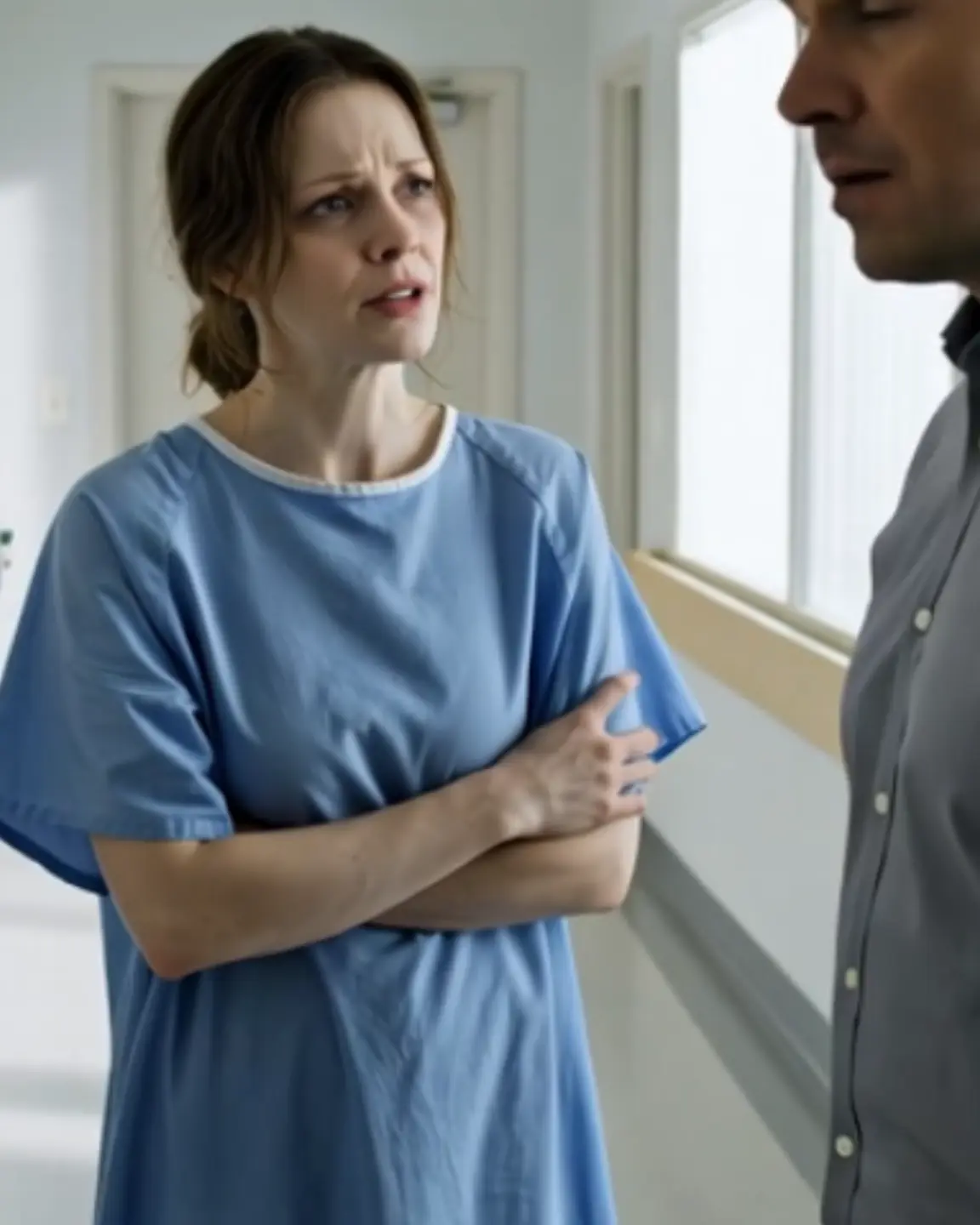
A weak woman forbade her husband from entering the hospital room. The doctor turned pale upon discovering the truth

My Husband Brought His Girlfriend Home—But When He Followed Me, He Discovered the Truth He Never Expected

I hid the truth about my business and income from my fiancé and his family, and at a family dinner they found out the truth

The future bride arrived at the groom’s family home, dictating her terms. But the mother-in-law was wiser
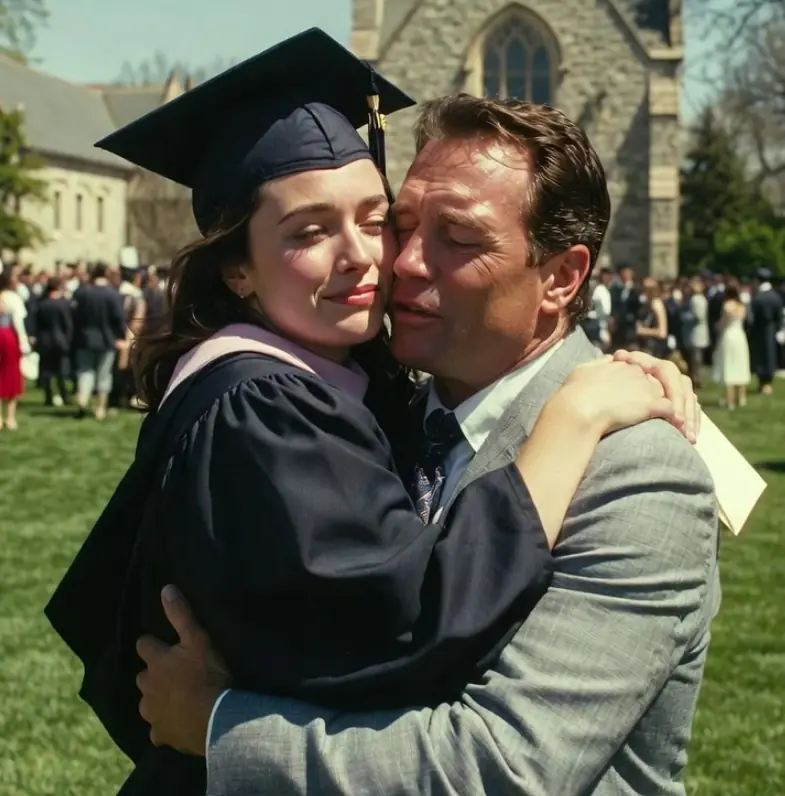
The Promise My Stepfather Made On My Graduation Day
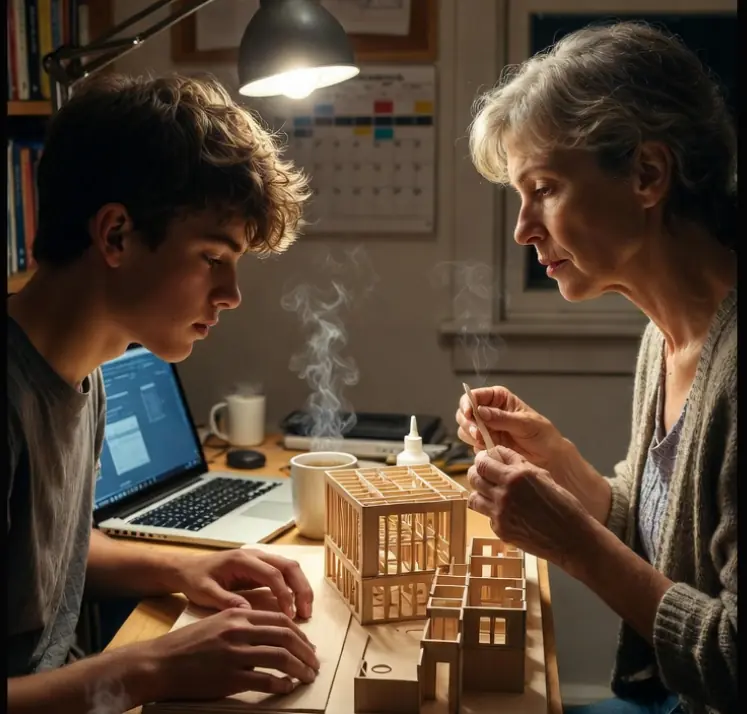
Living Between Two Homes Taught Me What My Stepmother Was Really Trying to Do
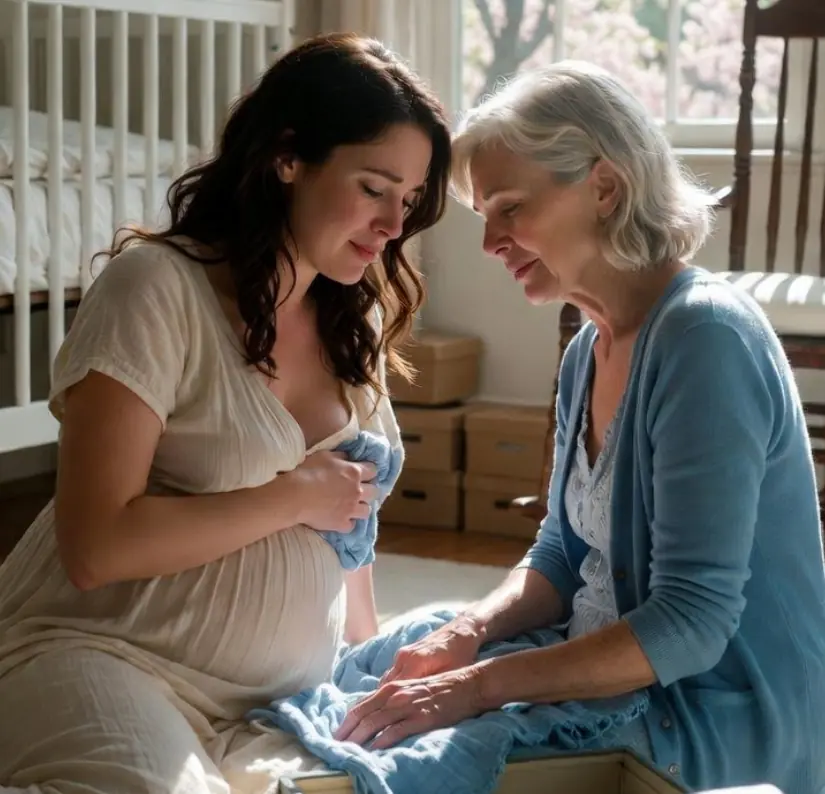
My Mother-in-Law and I Cried Over the Same Baby Blanket
The Day My Stepfather Defended Me Without Saying Much

My Stepmother Sat in the Front Row When No One Else Did
The Letter My Mother-in-Law Never Meant for Me to Read Changed Everything
The Weekend My Stepfather and I Finally Said What We Were Afraid To Admit
Living with My Stepmother After the Divorce Wasn’t the End of My Family
My Mother-in-Law and I Stopped Competing the Day We Shared the Same Fear
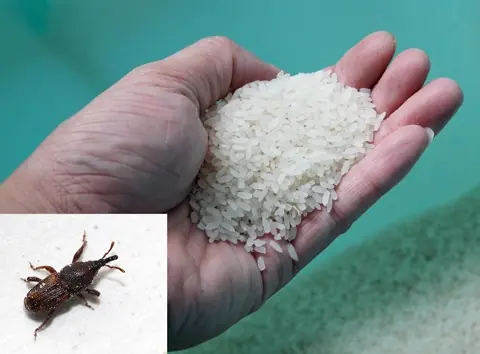
Simple Methods to Store Rice Safely and Avoid Pests and Mold
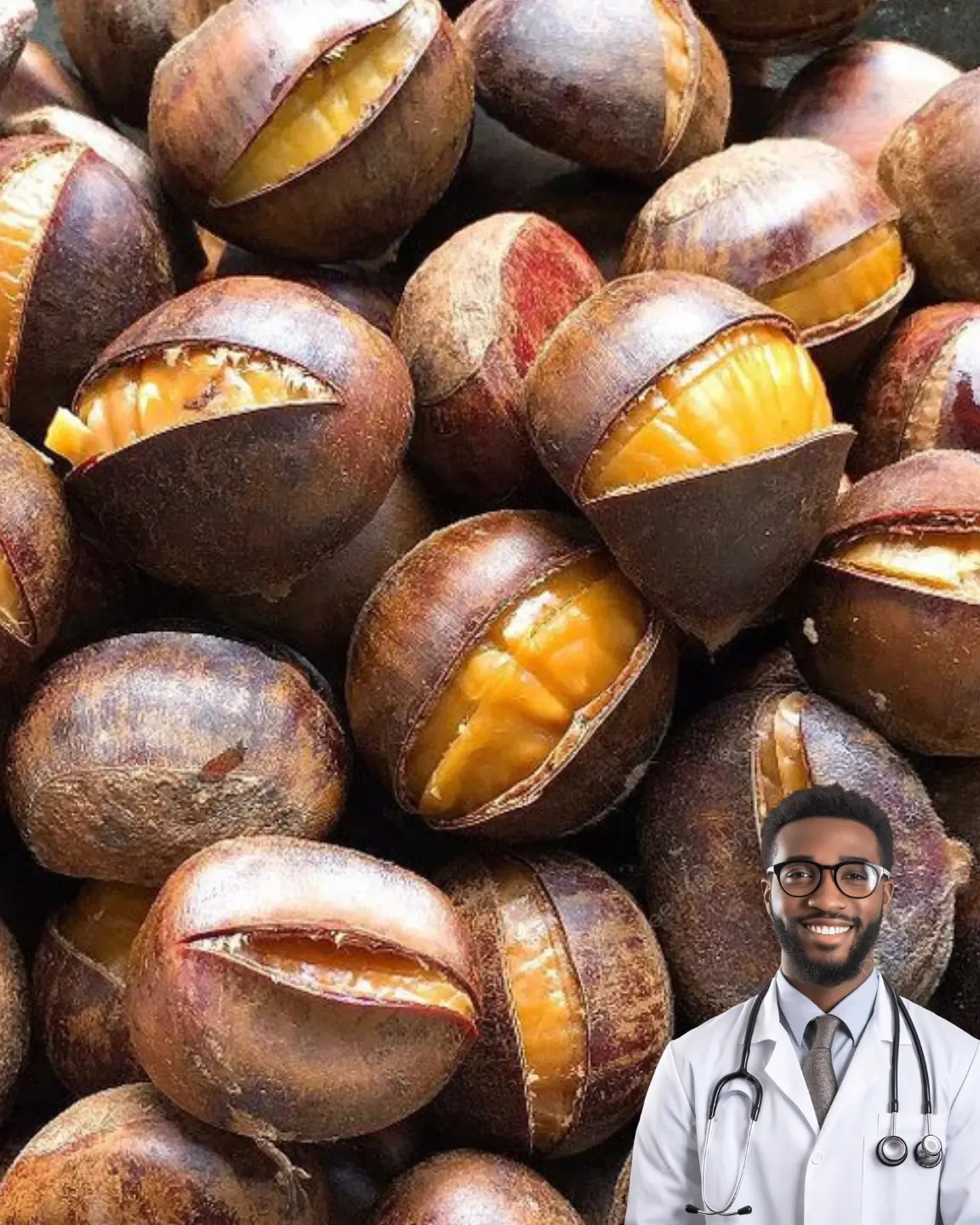
Eating macadamia nuts may lead to unexpected health effects, doctor explains
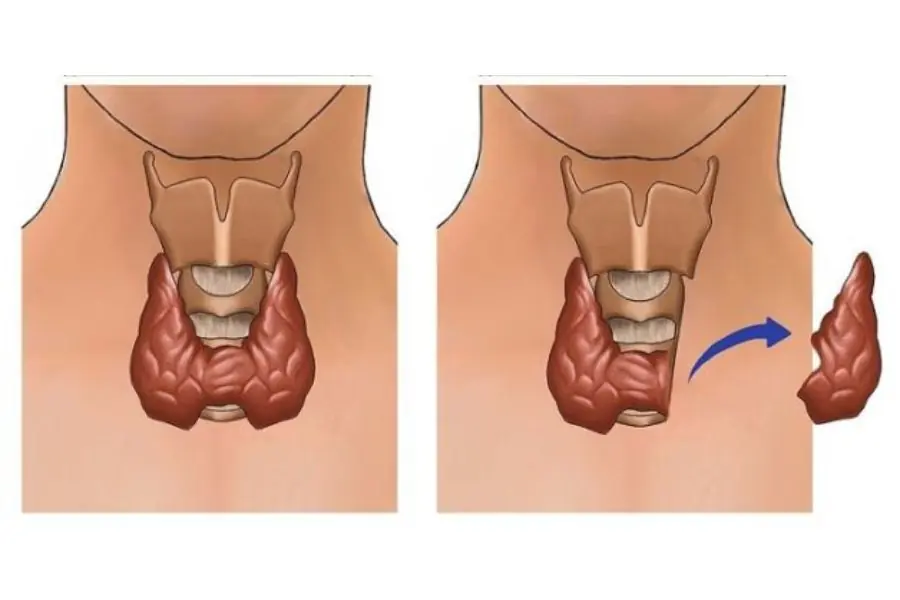
Thyroid Nodules on the Rise - Here’s What Experts Recommend Adjusting in Your Diet

If You Eat 2 Eggs Every Day, Here’s What You Might Experience
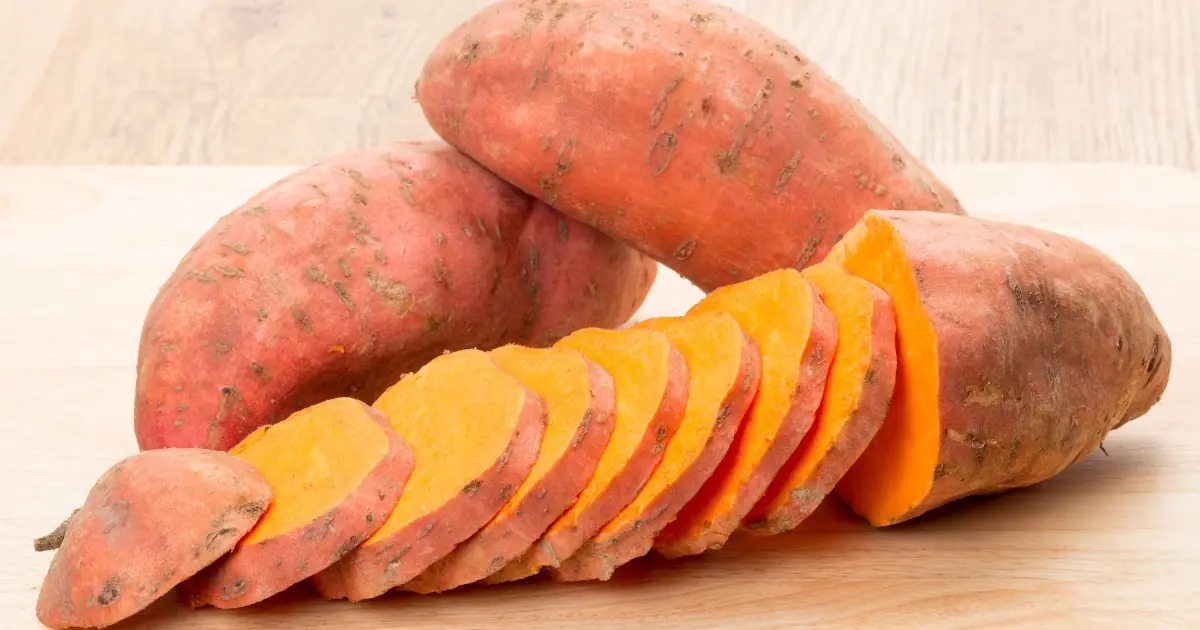
12 Key Facts About Sweet Potatoes That May Surprise You
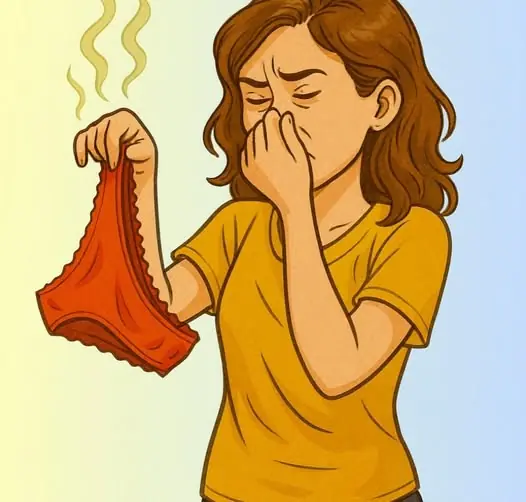
A fishy smell isn’t normal—here’s what it could mean for your health
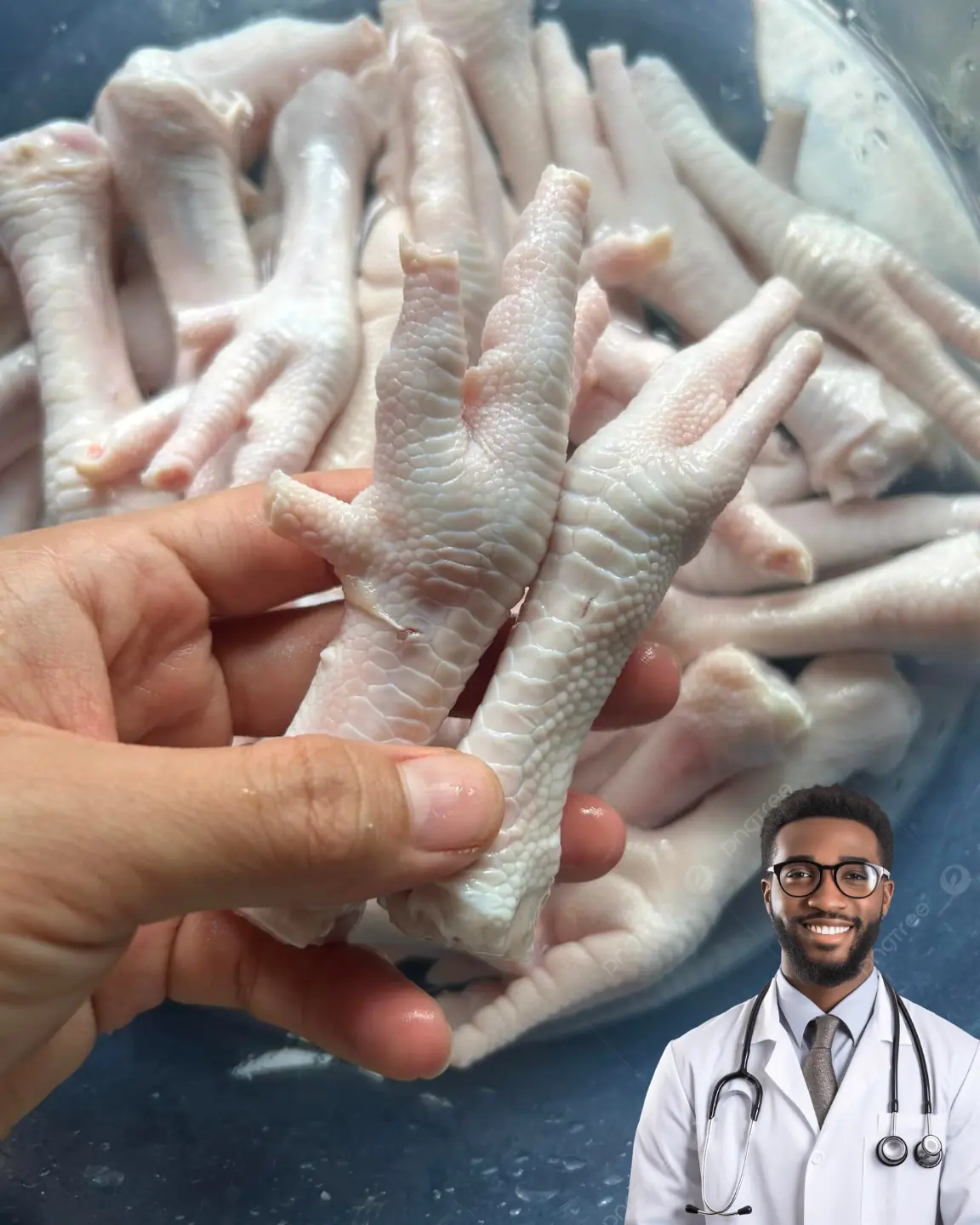
The Nutritional Benefits of Chicken Feet Explained

5 lifestyle habits that may negatively impact your liver health

A doctor warns that hearing your heartbeat while lying down could indicate a potentially serious health concern.
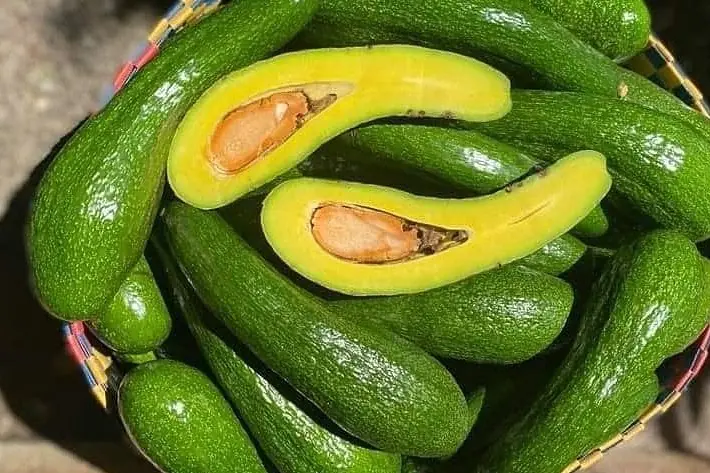
Doctors reveal the hidden benefits of eating avocado—most people have no idea

Healthy or risky? Doctors explain mango
Your nose could be warning you about serious health issues
A simple trick can restore your dirty mop to a fresh, clean state.

Can thumb shape reveal personality? Explore myth vs science.

How to choose healthy cooking oil and avoid low-quality blended options

These items don’t belong in your toaster – here’s why they’re dan.gerous

6 foods that may contribute to calcium loss and lead to weaker bones
Fan On While You Sleep? Here’s What It Really Does to Your Body
Don’t Ignore These 5 Foot Symptoms—They May Point to Kidney Disease
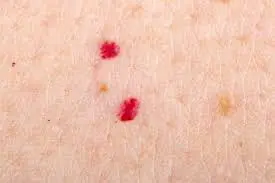
These Tiny Red Dots on Your Skin Could Be a Warning—Don’t Ignore Them