
3 Best Times to Drink Coconut Water for Maximum Health Benefits + Who Needs It Daily
3 Perfect Times to Drink Coconut Water + Who Should Drink It Every Day
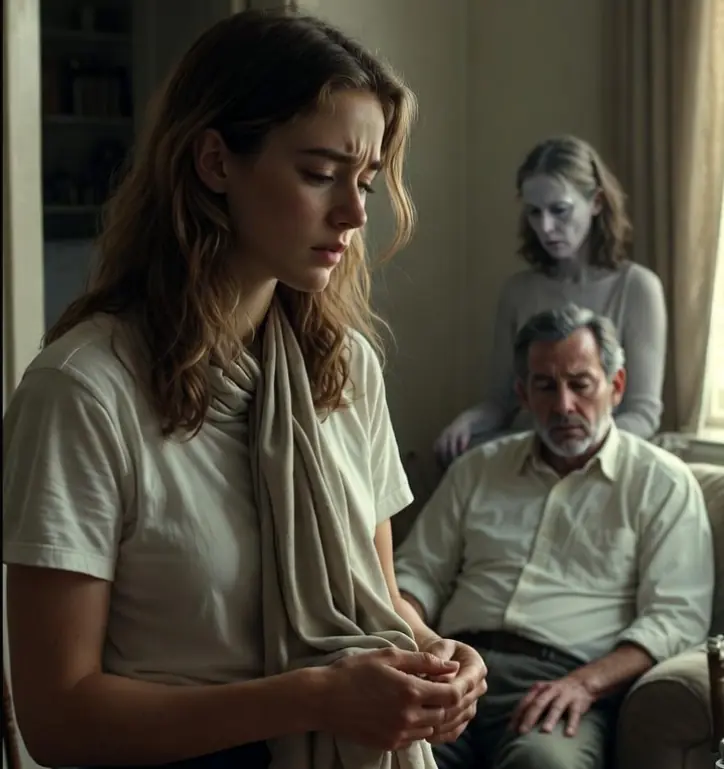
I realized too late that i was replacing my mother in my family
The kitchen clock in our suburban home in Ohio had a persistent, rhythmic tick that seemed to grow louder every year. It was 6:30 AM on a Tuesday, and I was standing at the counter, methodically packing three different school lunches. Ham and cheese for Leo, who liked the crusts off. Peanut butter and honey for Maya, who insisted on organic bread. A salad for my father, who was trying to lower his cholesterol. I moved with the practiced, efficient grace of someone who had been doing this for a lifetime, though I was only nineteen and home for a gap year I never originally planned to take.
I didn't realize I was becoming the matriarch of the house until I found myself standing in the grocery store aisle, agonizing over which brand of laundry detergent would be gentlest on my brother’s eczema. I was a teenager, but my mental space was occupied by mortgage due dates, dental appointments, and the specific emotional ebbs and flows of a household of four.
The shift had been a slow, silent erosion. It started three years ago when my mother, Sarah, began her retreat. It wasn't a sudden departure; it was a gradual fading, like a photograph left in the sun. A profound, heavy depression had settled over her, turning her into a ghost who inhabited the master bedroom. She was physically there, but she was emotionally unavailable, a locked door in the center of our lives.
My father, a kind but overwhelmed man, didn't know how to navigate the vacuum she left behind. He worked longer hours, perhaps as a way to avoid the crushing silence of their bedroom, and in his absence, I stepped into the breach. I told myself it was temporary. I told myself I was just "helping out" during a difficult season. But "helping out" slowly turned into a full-scale takeover of a role I was never meant to play.
The drama of my life wasn't found in shouting matches or dramatic reveals. It was found in the quiet, exhausting burnout of everyday moments. It was the way I would sit across from my father at dinner, discussing the household budget while my mother’s chair remained empty. It was the way Maya would come to me, not her mother, when she had her first heartbreak or needed a permission slip signed. I had become the emotional anchor, the practical navigator, and the primary caregiver—all while my own dreams were tucked away in a drawer like old, outgrown clothes.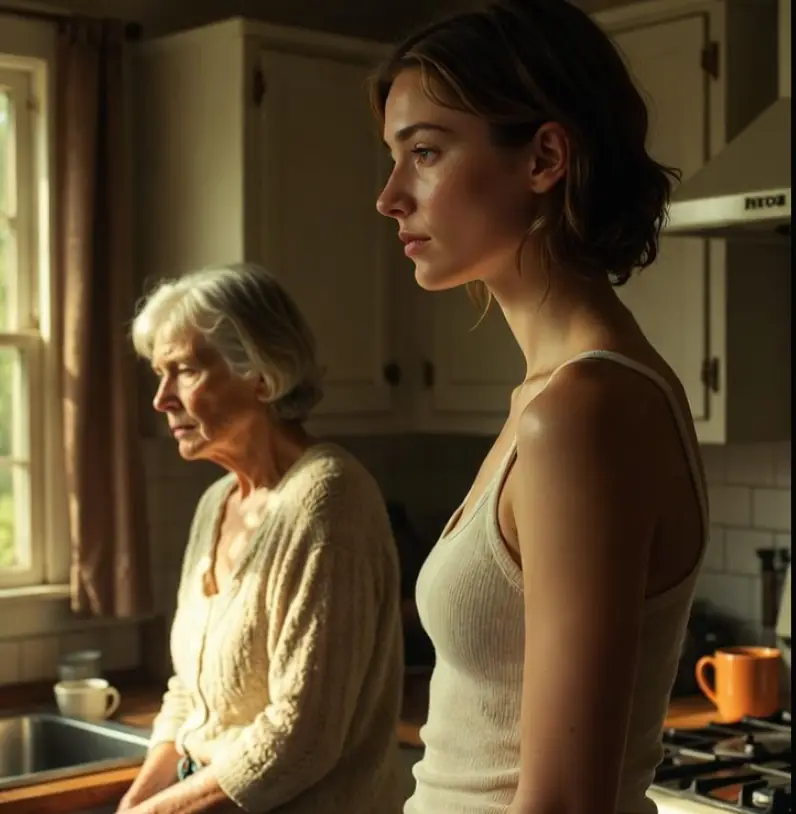
I felt a simmering resentment that I worked hard to suppress. I resented my mother for her absence, even though I knew she was ill. I resented my father for his silent permission, for the way he relied on me to keep the engine running so he didn't have to face the wreckage of his marriage. But most of all, I resented the version of myself that was so "reliable" and "strong." I was the girl who had it all together, the one who sacrificed her first year of college to stay home and make sure her siblings didn't feel the coldness of our mother’s withdrawal.
I was twenty, but I felt forty. I knew the price of milk and the exact day the trash needed to be at the curb, but I didn't know what it felt like to be carefree. I had replaced my mother so completely that the family had adapted to her absence. We had built a new, functional ecosystem where I was the sun, and they were the planets.
The tension built in the small things. It was the way my mother would occasionally emerge from her room, looking for a cup of tea, and treat me like a guest in my own kitchen. Or the way my father would call me from work to ask if I had remembered to pay the electric bill, a question that should have been directed to his partner, not his daughter. We were all participating in a grand, unspoken lie: that this arrangement was sustainable and that I was okay.
The turning point came on a rainy Saturday afternoon in March. I was in the basement, folding a mountain of laundry, when I found one of my mother’s old silk scarves at the bottom of the basket. It smelled faintly of the perfume she used to wear—the scent of the woman who used to bake cookies with us and tell us stories about the stars. Holding that scarf, the weight of the last three years hit me with the force of a tidal wave. I realized that by being the "perfect" replacement, I was actually enabling the very thing that was hurting us. I was making it too easy for my mother to stay hidden and too easy for my father to avoid the truth.
I walked upstairs, the scarf still clutched in my hand. I found my father in the living room, staring at a football game he wasn't really watching.
"Dad," I said, my voice sounding hollow in the quiet house. "I’m leaving in the fall. I’ve reapplied to the University of Michigan, and I’ve been accepted."
He looked at me, a flicker of panic crossing his face. "But, El... how will we manage? Your mother... she isn't ready. The kids need you."
"The kids need a mother," I replied, the words feeling like shards of glass in my throat. "And they need a father who isn't afraid to be a parent. I’ve spent three years trying to be the woman you lost, but I’m not her. I’m your daughter, and I’m disappearing."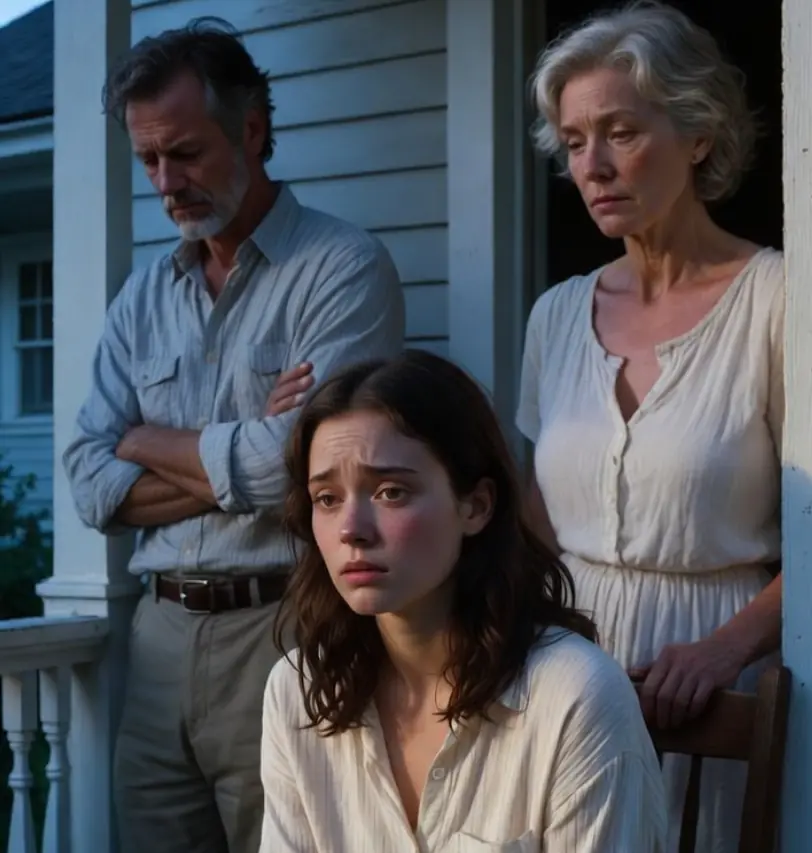
The silence that followed was the most uncomfortable moment of my life. I saw the realization dawn on him—the uncomfortable truth that he had allowed his child to carry the burden of his marriage. I saw the guilt in his eyes, but I didn't reach out to soothe it. For the first time, I allowed the silence to do its work.
That evening, I went to my mother’s room. I didn't knock softly and ask if she needed anything. I walked in and sat on the edge of the bed. She looked at me, her eyes clouded and distant.
"I’m leaving in August, Mom," I said. "I love you, but I can't be the one who keeps this house together anymore. I’m not your replacement. I’m the girl who needs her mom, and I’m going to go find my own life now."
She didn't have a miraculous recovery that night. There was no cinematic moment of healing. But she did reach out and take my hand, her grip weak but present. For the first time in years, she really looked at me—not as the person who brought her tea, but as her daughter.
I realized then that by stepping into her shoes, I had actually pushed her further away. I had made myself so "necessary" that I had robbed her of the chance to be needed. I had blurred the lines of our family so much that we had all forgotten who we were supposed to be to each other.
The uncomfortable truth was that my "sacrifice" was also a form of control. I was holding onto the family because I was afraid of what would happen if I let go. I was afraid that if I stopped being the mother, the family would simply fall apart. But I had to realize that if a family can only stay together through the martyrdom of one of its members, it isn't a family—it’s a hostage situation.
I’m preparing to leave now. The trunks are half-packed in my room, and the "to-do" lists I used to leave for my father are becoming shorter and shorter. He’s learning how to cook basic meals, and he’s finally starting to have the difficult, necessary conversations with my mother about her treatment and their future. The house feels different—less efficient, perhaps, and a bit more chaotic, but it feels more honest.
I am learning to be nineteen again. I am learning that it’s okay to not know where the spare house key is or when the car needs its oil changed. I am learning that my value is not defined by how much of myself I can give away. As I look at the kitchen clock, the ticking doesn't sound like a countdown anymore; it just sounds like time. And for the first time in a very long while, that time belongs to me.
3 Perfect Times to Drink Coconut Water + Who Should Drink It Every Day

Protect Your Heart: Foods People with High Cholesterol Should Limit

The Night I Was Called the “Family Mistake”—and the Day They Came Back in Tears

Standing My Ground: When “Family First” Turned Into a Threat
My “Golden Child” Sister Tried to Turn My First Home Into Her Family’s Free Ride

A “Family Weekend” That Turned Into a Lesson They Won’t Forget

A Signature, a Family Secret, and the $9.8 Million Silence

And how long will this freeloader continue to live it up at our expense? She’s been here three months, eating wine and red caviar

A weak woman forbade her husband from entering the hospital room. The doctor turned pale upon discovering the truth

My Husband Brought His Girlfriend Home—But When He Followed Me, He Discovered the Truth He Never Expected

I hid the truth about my business and income from my fiancé and his family, and at a family dinner they found out the truth

The future bride arrived at the groom’s family home, dictating her terms. But the mother-in-law was wiser

The Promise My Stepfather Made On My Graduation Day
Living Between Two Homes Taught Me What My Stepmother Was Really Trying to Do
My Mother-in-Law and I Cried Over the Same Baby Blanket
The Day My Stepfather Defended Me Without Saying Much

My Stepmother Sat in the Front Row When No One Else Did
The Letter My Mother-in-Law Never Meant for Me to Read Changed Everything

The Weekend My Stepfather and I Finally Said What We Were Afraid To Admit
Living with My Stepmother After the Divorce Wasn’t the End of My Family

Eggs for Breakfast Aren’t Ideal for Everyone—Are You in This Group?

One simple choice, six fascinating personality types.

Many People Do This in the Shower—But Few Know What It Really Means
A Daily Garlic Habit Led to an Unexpected Health Lesson

Doctors Explain What Happens When You Begin Your Day With Eggs and Sweet Potatoes
🔍 Before You Eat Another Peanut, Read What Doctors Say 👇👇

Experts Predict Major Wealth Shifts: 6 Assets That Could Outperform Real Estate and Cash in the Next 5 Years
🚨 No Nighttime Bathroom Trips? This Could Reveal Important Clues About Your Health 👇
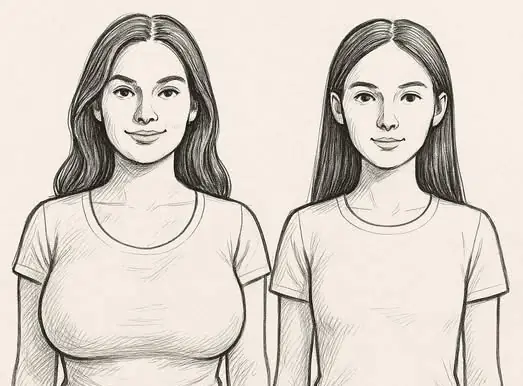
What Every Woman Should Know About Breast Health
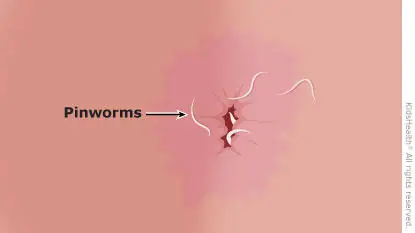
⚠️ Nighttime Itching in Kids? Pinworms May Be the Hidden Reason 👇
Before You Eat Garlic, Make Sure You're Not Making These Common Mistakes
🚨 The Truth About Bananas Before Bedtime Is Finally Coming Out 👇👇

😲 The Real Reason Your Legs Cramp While You're Sleeping May Surprise You 👇

The Top 10 Plants Commonly Used to Promote Clearer Breathing and Respiratory Comfort

Hotel Bed Runners Explained: More Than Just a Decorative Touch
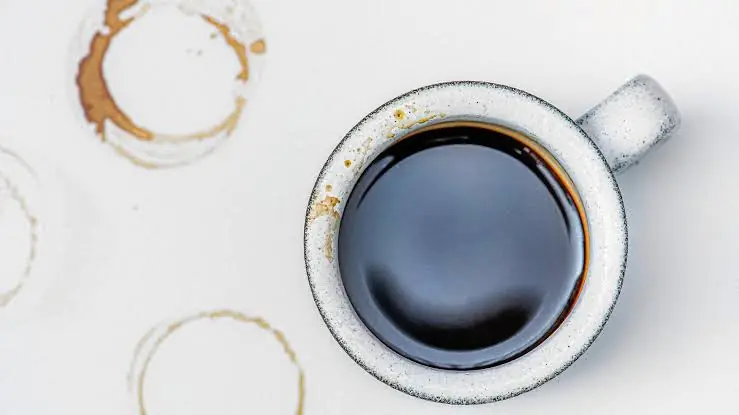
🚨 Coffee Drinkers Are Paying Attention to This New Heart Health Finding 👇
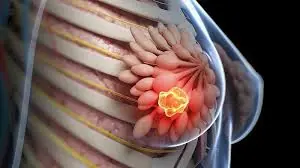
🚨 If You Notice Any of These 10 Symptoms, It's Worth Talking to a Doctor 👇
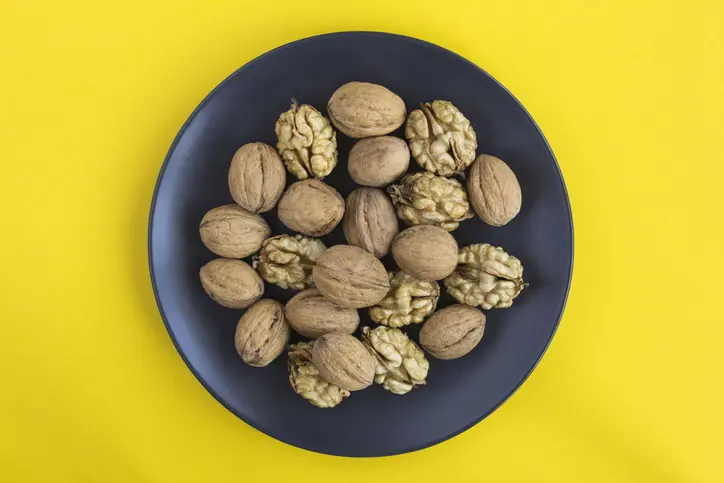
😲 Eating Walnuts Daily? Doctors Reveal 7 Things That May Happen to Your Body 👇👇👇

💡 Noticed a Lump in One of These Spots? Your Body May Be Sending a Signal
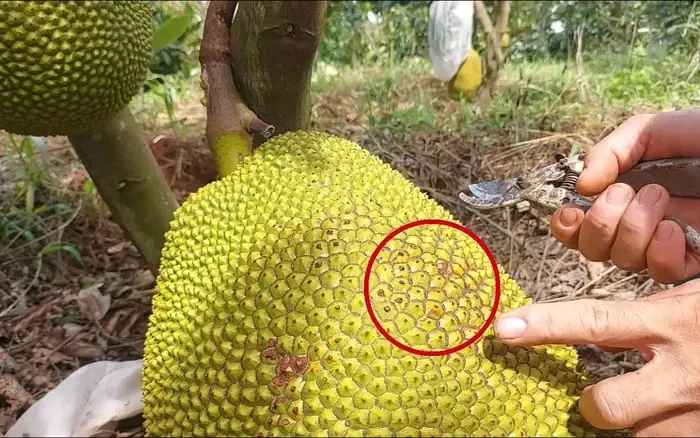
Think Jackfruit Is Harmless? These 5 Groups Should Be Careful 😮