Rice Getting Attacked by Weevils at Home? Don’t Panic — Try These 4 Simple Tricks to Keep Pests Out
Say goodbye to rice weevils with these easy home remedies!
Have you ever opened a bag of rice only to find it crawling with tiny black bugs, even though it looked perfectly fine just the day before? Many people instinctively try sun-drying the rice, hoping it’ll kill off the weevils — but unfortunately, that method often doesn’t work. In fact, it can sometimes make the problem worse.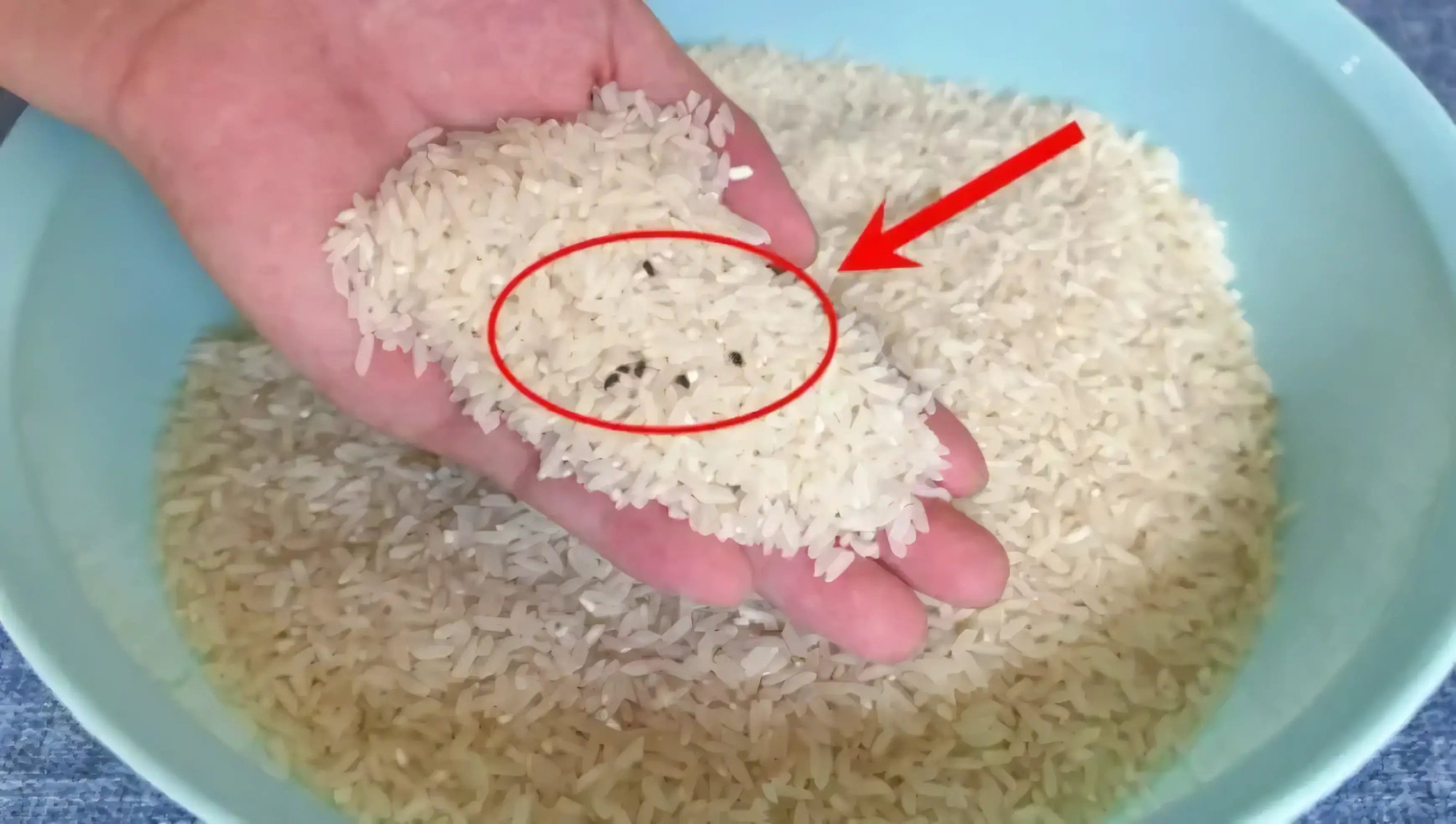
So what’s the right way to handle rice weevils?
Where Do Rice Weevils Come From?
Rice weevils (also known as grain beetles or rice bugs) love feasting on rice and grains. Though small (just 2–4mm), they reproduce incredibly fast. At around 30°C with high humidity, a single egg can develop into a full-grown weevil in just 26 days. One female can lay 3–6 eggs per day — so within a month, you could be facing a full-blown infestation.
But how do they get inside your rice in the first place? Surprisingly, most rice weevils aren’t invaders from the outside — they’re already in the rice when you buy it. Female weevils often lay eggs inside the rice grains during harvesting, processing, or storage. When conditions are just right, those eggs hatch and grow into full-grown bugs.
Even if you store rice carefully, weevils can remain dormant and later become active. Luckily, eating rice that had weevils is generally not harmful — it just feels a bit unpleasant and makes rinsing the rice more of a chore. However, if the rice smells strange, is moldy, or has been clearly eaten through, you should throw it away.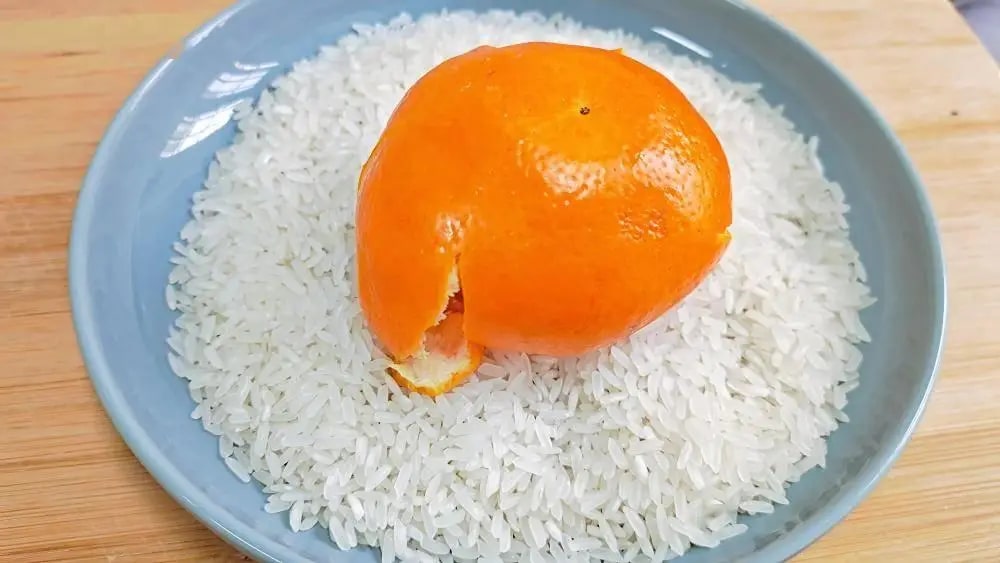
4 Proven Tricks to Get Rid of Rice Weevils
Sun-drying rice might seem like the obvious solution, but it rarely works. While rice weevils are afraid of light, they’ll just burrow deeper into the grains to escape it — making them even harder to get rid of.
Here are 4 smart ways to actually get them out:
1. Freeze the Rice
Put the rice bag in the freezer for 24–48 hours. The cold will kill both adult weevils and their eggs. Once frozen, the bugs will die and turn into tiny black specks — you can easily rinse them off when washing the rice.
2. Use Peppercorns
Whole peppercorns are a natural bug repellent. Place a handful of them in a small cloth bag or pouch and tuck it into your rice container. The strong scent and essential oils will keep weevils away. This works even if your rice is already infested.
3. Add Dried Orange Peels or Seaweed
Don’t toss your orange peels! Dry them out and place them in your rice storage. Orange peels contain limonene, a compound that can help prevent weevil eggs from developing. Seaweed also works well, as it absorbs moisture — which helps keep rice dry and less appealing to pests.
4. Air Out the Rice in a Cool, Dry Place
While sunlight doesn’t help, placing the rice in a cool, dry, and well-ventilated area can encourage weevils to crawl out. After that, just sift the rice with a fine mesh strainer to remove them. This method is slower but keeps the rice intact and safe to use.
How to Prevent Rice Weevils in the First Place
The best solution? Prevention. Here’s how to keep weevils out of your rice from the start:
-
Avoid stockpiling rice. Especially if you live alone or with a small family, just buy enough to last about a month. This keeps your rice fresh and lowers the risk of infestations.
-
Store rice in airtight containers. Use plastic bins or glass jars with tight lids. Always close the lid securely to keep out moisture — the perfect condition for weevils to thrive.
-
Keep it dry and cool. During hot months, avoid storing rice near stoves or damp areas. Choose a cool, dry location instead. You can even toss in a couple of moisture absorber packets to help.
-
Clean rice containers regularly. Even after finishing a batch, leftover crumbs or weevil eggs can linger at the bottom. Wash and dry thoroughly before refilling.
-
Use your fridge if needed. In high humidity or summer months, storing rice in the refrigerator can slow down weevil reproduction significantly.