Swollen feet or ankles are a common problem that many people experience at some point in their lives. After a long day of standing, sitting for hours, or during hot weather, mild swelling may seem normal. However, doctors warn that frequent or persistent swelling—also known as water retention—can signal underlying lifestyle issues or health concerns. The good news is that in many cases, simple daily changes can significantly reduce fluid buildup and improve comfort.
What Causes Water Retention in the Feet and Ankles?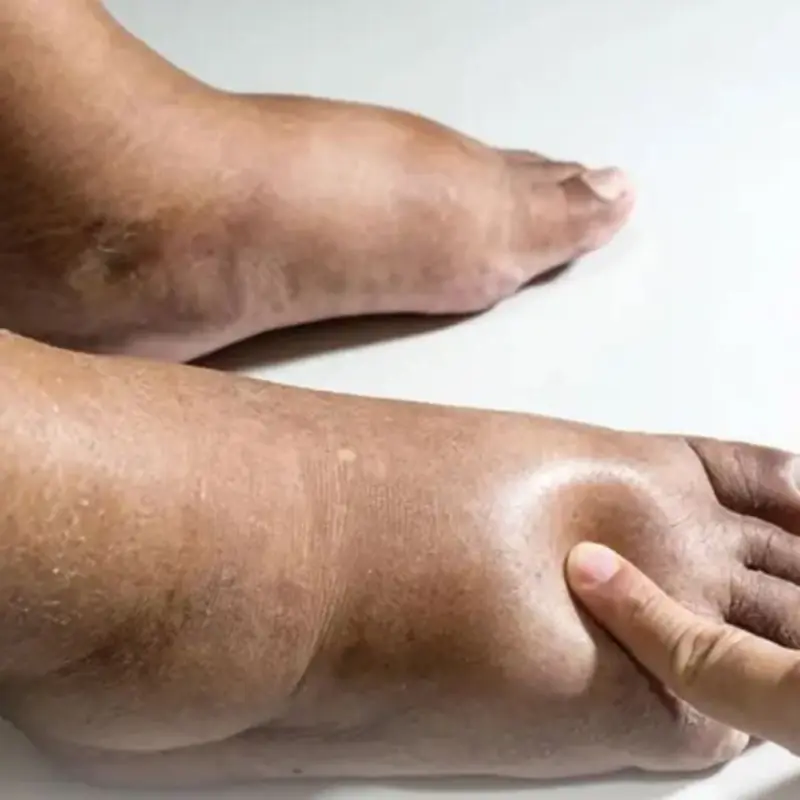
Water retention occurs when excess fluid builds up in the body’s tissues. Gravity plays a major role, which is why swelling often appears in the lower legs, ankles, and feet. Common causes include poor circulation, excessive salt intake, hormonal changes, lack of movement, or prolonged sitting or standing.
While water retention is often harmless, doctors caution that ongoing swelling should not be ignored, especially if it is accompanied by pain, skin changes, or shortness of breath.
1. Elevate Your Legs Regularly
One of the simplest and most effective ways to reduce swelling is leg elevation. Doctors recommend raising your legs above heart level for 15 to 30 minutes several times a day. This helps fluid flow back toward the heart and reduces pressure in the lower limbs.
Elevating the legs is especially helpful after long periods of standing or sitting and can bring noticeable relief within minutes.
2. Reduce Salt Intake
Excess sodium causes the body to retain water. Many people consume far more salt than they realize, especially through processed foods, packaged snacks, and restaurant meals.
Doctors advise limiting salt intake and choosing fresh, whole foods whenever possible. Reducing sodium can significantly decrease fluid retention and help prevent swelling from returning.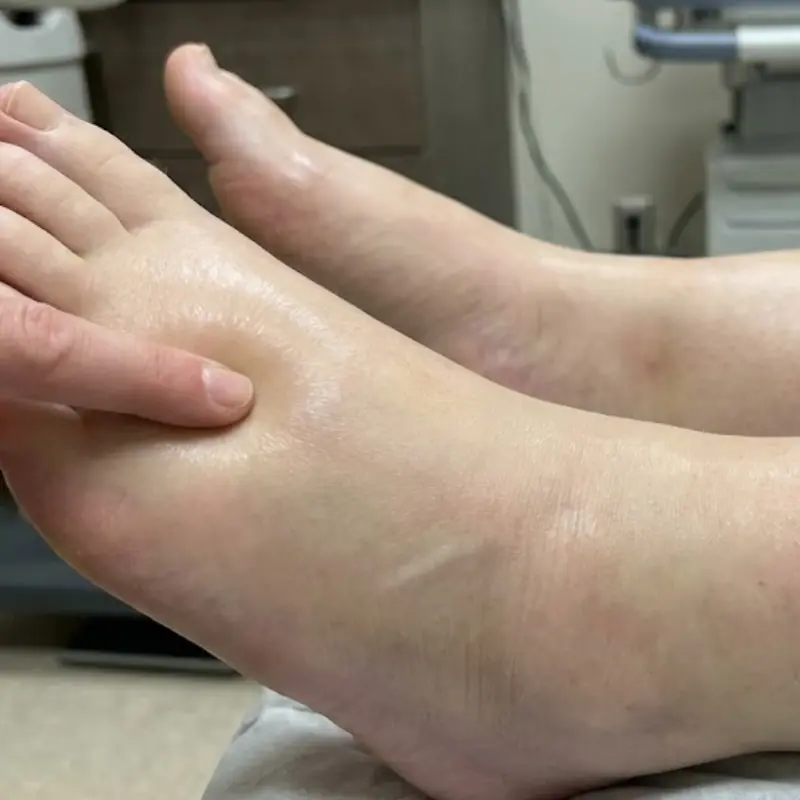
3. Stay Physically Active
Movement is essential for healthy circulation. When muscles contract, they help push blood and fluid through the veins. A sedentary lifestyle allows fluid to pool in the lower extremities.
Simple activities such as walking, stretching, cycling, or light exercise can improve blood flow and reduce swelling. Even standing up and moving for a few minutes every hour can make a difference.
4. Wear Proper Footwear and Compression Support
Tight shoes or poor footwear can worsen swelling by restricting circulation. Doctors recommend wearing comfortable, supportive shoes that allow the feet to move naturally.
In cases of persistent swelling, compression socks or stockings may be beneficial. These garments apply gentle pressure to the legs, helping prevent fluid buildup and improving blood flow back to the heart.
5. Stay Hydrated
It may seem counterintuitive, but drinking enough water actually helps reduce water retention. When the body is dehydrated, it holds on to fluids as a defense mechanism.
Doctors recommend drinking water consistently throughout the day. Proper hydration supports kidney function, helping the body eliminate excess fluid more efficiently.
6. Pay Attention to Underlying Health Conditions
While lifestyle changes can help many people, doctors emphasize that swelling can sometimes be linked to medical conditions such as heart disease, kidney problems, liver issues, or hormonal imbalances.
If swelling appears suddenly, affects only one leg, becomes painful, or does not improve with basic measures, medical evaluation is essential. Early diagnosis can prevent serious complications.
When to Seek Medical Advice
Doctors urge people to seek medical attention if swelling is severe, persistent, or accompanied by symptoms such as chest pain, difficulty breathing, skin discoloration, or unexplained weight gain. These may indicate a more serious condition requiring prompt treatment.