🚨 You Might Be Eating These Every Day — And Not Know the Hidden Dangers
Most of us assume that if a food is sold in supermarkets, it must be completely safe. But the truth is that some everyday foods contain natural toxins, harmful additives, or compounds that can pose health risks when consumed too often or prepared incorrectly.
That doesn't mean you should panic or eliminate these foods entirely. Instead, understanding the potential risks can help you make smarter choices and protect your long-term health.
Here are some surprisingly common foods that deserve a closer look.
1. Processed Meats

Bacon, hot dogs, sausages, deli meats, and similar products are staples in many households. However, health experts have repeatedly warned that regularly consuming processed meats may increase the risk of several chronic diseases. Many of these foods contain preservatives such as sodium nitrite, which can form potentially harmful compounds when exposed to high temperatures.
In addition, processed meats are often high in sodium and saturated fat, both of which may contribute to cardiovascular problems when consumed excessively.
Better Choice:
Choose fresh poultry, fish, beans, lentils, or lean cuts of unprocessed meat whenever possible.
2. Sugary Soft Drinks
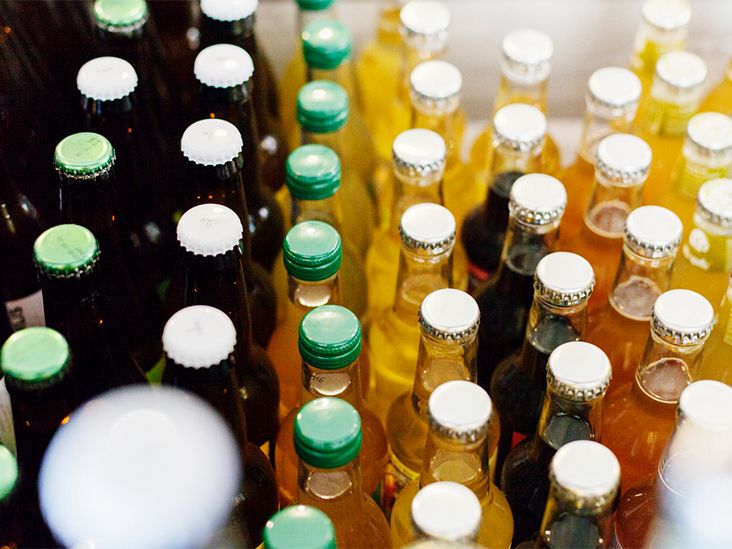
Soda and other sugary beverages may seem harmless, but they are among the largest sources of added sugar in modern diets.
Regular consumption has been linked to obesity, type 2 diabetes, heart disease, and other metabolic conditions. Some specialty coffee drinks and frozen beverages can contain astonishing amounts of sugar in a single serving.
Better Choice:
Water, sparkling water, unsweetened tea, or naturally flavored water can help reduce sugar intake.
3. Ultra-Processed Snacks
Chips, packaged cookies, snack cakes, and many convenience foods are often loaded with refined carbohydrates, added sugars, unhealthy fats, and artificial additives.
Research suggests that diets high in ultra-processed foods are associated with increased risks of heart disease, diabetes, and certain cancers. These products are also designed to be highly palatable, making it easy to overeat them.
Better Choice:
Fresh fruit, nuts, seeds, yogurt, or homemade snacks can provide nutrition without excessive processing.
4. Artificial Food Additives
Many packaged foods contain additives designed to improve color, texture, flavor, or shelf life.
Certain additives, such as artificial colorings, preservatives, and flavor enhancers, have been the subject of ongoing scientific debate. While regulatory agencies consider approved amounts safe, some studies suggest that specific additives may cause adverse reactions in sensitive individuals.
Better Choice:
Look for foods with shorter ingredient lists and fewer artificial additives.
5. Foods Containing TBHQ
TBHQ (tert-butylhydroquinone) is a preservative commonly used in processed foods such as crackers, frozen meals, instant noodles, and fast foods to extend shelf life.
Although approved for use in small quantities, TBHQ has attracted attention because animal studies have linked high exposures to various health concerns. Regulatory agencies strictly limit the amount allowed in food products.
Better Choice:
Reducing reliance on heavily processed foods naturally lowers exposure to preservatives like TBHQ.
6. Green or Sprouted Potatoes
Potatoes are nutritious, but when they turn green or begin sprouting, they can develop increased levels of solanine, a naturally occurring toxin.
Consuming large amounts of solanine may cause symptoms such as nausea, headaches, and digestive discomfort.
Better Choice:
Discard potatoes that are heavily green, shriveled, or extensively sprouted.
7. Undercooked Beans
Many people don't realize that raw or undercooked kidney beans contain a natural toxin called phytohaemagglutinin.
Eating improperly cooked beans may trigger severe nausea, vomiting, and stomach pain. Fortunately, thorough soaking and boiling destroy the toxin.
Better Choice:
Always cook dried beans thoroughly according to food safety recommendations.
8. Excessively Sweet Breakfast Cereals
Many breakfast cereals marketed as healthy are actually packed with refined grains and added sugars.
These products can cause rapid spikes in blood sugar levels, which may contribute to insulin resistance and metabolic problems over time.
Better Choice:
Choose whole-grain cereals with minimal added sugar or opt for oatmeal with fresh fruit.
9. Artificial Sweeteners and Highly Processed "Diet" Foods
Many low-calorie foods rely on artificial sweeteners and highly processed ingredients.
While these products can help reduce sugar intake, some research has raised questions about their potential effects on gut health, metabolism, and appetite regulation. Scientists continue to investigate these issues.
Better Choice:
Focus on naturally nutritious foods rather than relying heavily on "diet" products.
10. Foods That Are Frequently Recalled for Contamination
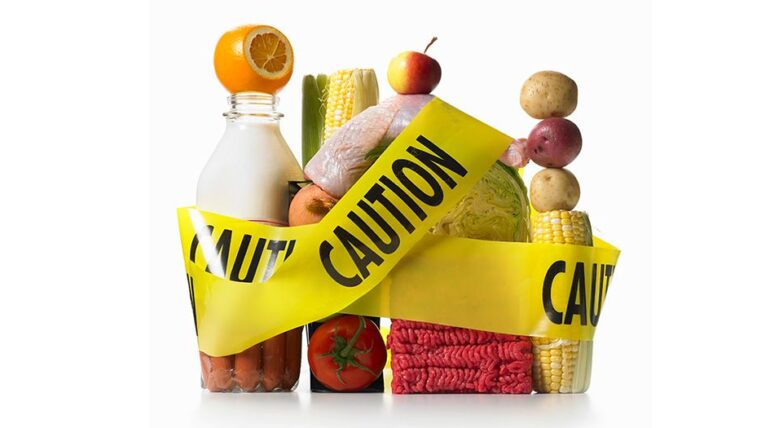
Even foods generally considered healthy can occasionally pose risks due to contamination.
Recent food safety reports have highlighted outbreaks involving eggs, leafy greens, onions, cucumbers, deli meats, and other everyday staples. Proper washing, storage, and cooking remain essential.
Better Choice:
Stay informed about food recalls and follow safe food handling practices.
The Bottom Line
Many of these foods are not inherently dangerous when eaten occasionally as part of a balanced diet. The real concern arises when heavily processed products become everyday staples or when foods are prepared improperly.
The safest strategy is simple: prioritize whole foods, fruits, vegetables, legumes, nuts, and minimally processed ingredients whenever possible. Small changes made consistently can have a significant impact on your long-term health.
After all, some of the biggest health risks aren't hiding in exotic foods—they may already be sitting in your kitchen.