Napa cabbage is a familiar vegetable in daily life, not only because of its affordable price but also due to its rich nutritional value. It helps boost the immune system and supports digestion thanks to its high fiber content. This vegetable is favored for its versatility in various delicious dishes such as sweet and sour stir-fry, hot pot dipping, or soup, all of which are very appealing and tasty.
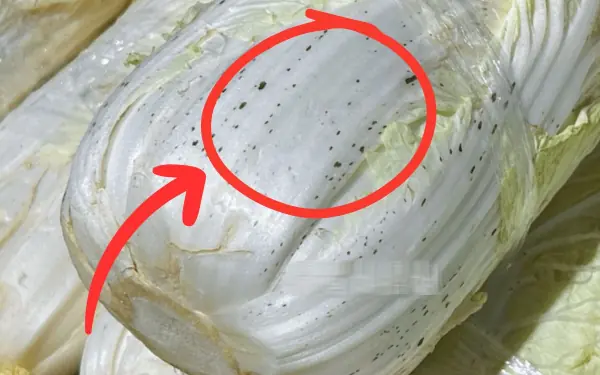
When purchasing napa cabbage, we sometimes notice small black spots on the stalks. Notably, no matter how much we wash them, these spots remain.
What are these black spots on napa cabbage stalks?
It's not uncommon to encounter stalks with black spots when buying napa cabbage, while many other stalks remain completely clean. The appearance of these spots is often due to calcium deficiency during cultivation or the use of fertilizers containing carbon.
Additionally, if napa cabbage is stored at too low a temperature after harvest or subjected to adverse conditions during transportation, its cells can easily deform, leading to the formation of black spots. These spots are actually deep within the leaf fibers, making them difficult to remove by washing.
Is it safe to eat napa cabbage with black spots?
Upon discovering black spots on napa cabbage stalks, many people become concerned and tend to discard them. However, these spots do not affect the quality or nutritional value of the vegetable. You can still consume it without worrying about health issues; the only downside is that the spots may reduce the aesthetic appeal of the cabbage, making the dish look less appetizing.
It's important to note that if the black spots are too numerous and appear throughout the entire stalk, or if the vegetable shows signs of discoloration and emits an unusual odor, it's advisable to discard it, as the napa cabbage may have spoiled or is no longer fresh.
Some tips for selecting fresh, quality napa cabbage:
-
Check the base of the napa cabbage
While black spots on the stalks don't affect edibility, when choosing napa cabbage, you should prioritize those with white, clean stalks, indicating better quality.
Additionally, pay attention to the base of the cabbage. Fresh napa cabbage typically has a firm, moist base without any signs of drying or browning.
-
Examine the leaves
Opt for napa cabbage with crisp, vibrant green leaves. Avoid those with wilted, yellowing, or damaged leaves, as these are signs of aging or poor storage.
-
Feel the weight
A good-quality napa cabbage feels heavy for its size, indicating that it's dense and fresh. Lightweight cabbages may be older or dehydrated.
-
Assess the overall appearance
Choose cabbages that are compact and have tightly packed leaves. Loose or separating leaves can be a sign of over-maturity or spoilage.
By following these tips, you can select fresh and high-quality napa cabbage for your meals.