Visitors to India are often surprised to notice one consistent dining custom: people eat with their right hand only. This rule applies not just in
traditional households or religious settings, but also in everyday meals and it is followed even by people who are naturally left-handed.
This practice may seem strict or unusual to outsiders, but it is deeply rooted in Indian culture, history, religion, hygiene, and social values. Far
from being arbitrary, eating with the right hand carries symbolic meaning and practical reasoning that has been passed down through
generations.
To understand why this custom is so widely respected, it’s important to look beyond modern habits and explore the cultural framework in
which it developed.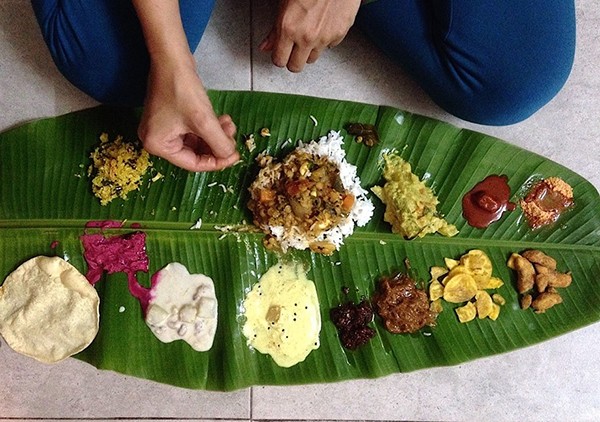
The Cultural Meaning of the Right and Left Hands
In Indian culture, the right hand has long been associated with purity, respect, and positive action. It is traditionally used for all honorable
activities, including:
-
Eating
-
Offering or receiving food
-
Giving gifts or money
-
Performing religious rituals
-
Greeting elders
The left hand, on the other hand, has historically been linked to tasks considered impure or private. Before modern sanitation, the left hand
was commonly used for personal hygiene after using the toilet. As a result, it became socially inappropriate to use the left hand for eating or
interacting with others during meals.
This distinction is not meant to shame left-handed people, but rather to maintain a clear separation between clean and unclean activities - a
concept deeply ingrained in traditional Indian life.
Religious and Spiritual Foundations
Many Indian customs are influenced by Hindu philosophy, which emphasizes balance, cleanliness, and intention in daily actions. According to
traditional belief systems:
-
The right side of the body is considered spiritually auspicious.
-
The left side is associated with lesser or impure energies.
In Hindu rituals, offerings to deities are always made with the right hand. Sacred items, food (prasadam), and blessings are received with the
right hand as a sign of reverence.
Because eating is considered a sacred act - one that sustains life it is expected to be performed with mindfulness and purity. Using the right
hand aligns the act of eating with these spiritual principles.
This belief system influences daily behavior, even among people who may not actively practice religion but still follow cultural norms.
Hygiene Before Modern Cutlery and Plumbing
The tradition of eating with the right hand developed long before forks, spoons, and modern bathrooms existed.
In ancient India:
-
Meals were eaten with bare hands.
-
Food was shared from communal dishes.
-
Clean water and soap were not always readily available.
To reduce the risk of contamination, society established clear rules: one hand for eating, one hand for cleaning. This system helped maintain
hygiene in a practical and effective way.
Even today, in rural areas or traditional homes, this distinction continues to make sense, especially during communal meals where cleanliness
is essential.
Why Left-Handed People Also Follow the Rule
Left-handed people in India are usually taught from childhood to eat with their right hand, regardless of their natural preference. This is not
viewed as discrimination, but rather as social conditioning aligned with cultural expectations.
Key reasons include:
-
Eating is a shared social activity, not just a personal habit.
-
Using the left hand while others eat with the right can be seen as disrespectful.
-
Cultural harmony is often prioritized over individual convenience.
Many left-handed Indians adapt easily over time and use their left hand for writing or working, while reserving the right hand specifically for
eating and social interactions.
Eating with the Hand as a Sensory Experience
Another reason this tradition persists is the philosophy behind eating with the hand itself.
In Indian thought, eating with the hand is believed to:
-
Create a stronger connection between food and body
-
Engage all five senses
-
Improve digestion by stimulating nerve endings in the fingers
Using the right hand allows the eater to feel the texture and temperature of food, encouraging slower, more mindful eating. This aligns with
Ayurveda, the traditional Indian system of medicine, which emphasizes awareness and balance during meals.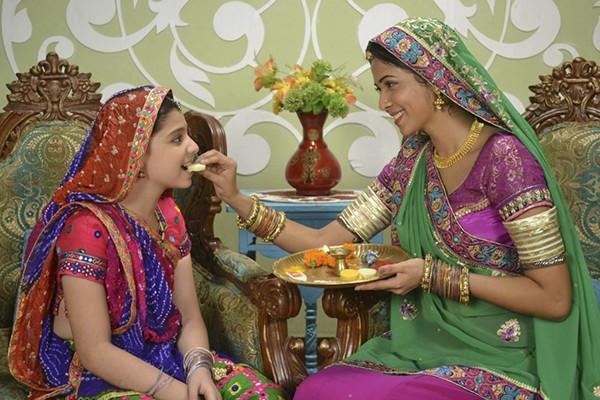
Social Etiquette and Respect at the Table
In Indian society, meals are deeply social and symbolic. Using the correct hand is a sign of good manners and respect for others at the table.
Using the left hand to:
-
Serve food
-
Pass dishes
-
Eat from shared plates
may be considered rude or inappropriate, especially in traditional households or religious settings.
Following this custom shows cultural awareness and respect, particularly when dining with elders or in ceremonial contexts.
Is This Practice Changing in Modern India?
Urbanization and globalization have introduced cutlery, Western dining styles, and relaxed attitudes toward traditional rules—especially in
cities and younger generations.
However:
-
The right-hand rule is still widely observed at home.
-
It remains important in religious, traditional, and rural settings.
-
Many Indians continue to follow it out of habit and respect, even when eating with utensils.
Even today, when spoons are used, many people will still pass food, touch shared items, or eat finger foods with the right hand only.
Conclusion
The custom of eating with the right hand in India is not about controlling behavior or excluding left-handed people. It is a deeply rooted
tradition shaped by centuries of cultural values, religious beliefs, hygiene practices, and social etiquette.
For Indians, eating is more than a physical act - it is a mindful, respectful, and often sacred experience. Using the right hand symbolizes
cleanliness, respect, and harmony with long-standing cultural principles.
Understanding this tradition offers valuable insight into Indian culture and reminds us that everyday habits often carry meanings far deeper
than they appear at first glance.