Colon cancer, also known as colorectal cancer when it involves both the colon and rectum, often develops slowly over time. In its earliest stage — stage 1 — the cancer is typically confined to the inner layers of the colon wall and has not yet spread to lymph nodes or distant organs. At this stage, treatment outcomes are generally very favorable. However, the challenge lies in early detection.
Stage 1 colon cancer may cause mild or subtle symptoms that are easy to dismiss as digestive issues, stress, or dietary changes. Recognizing early warning signs and seeking timely medical evaluation can significantly improve prognosis.
Below are six early symptoms of stage 1 colon cancer that should not be overlooked.
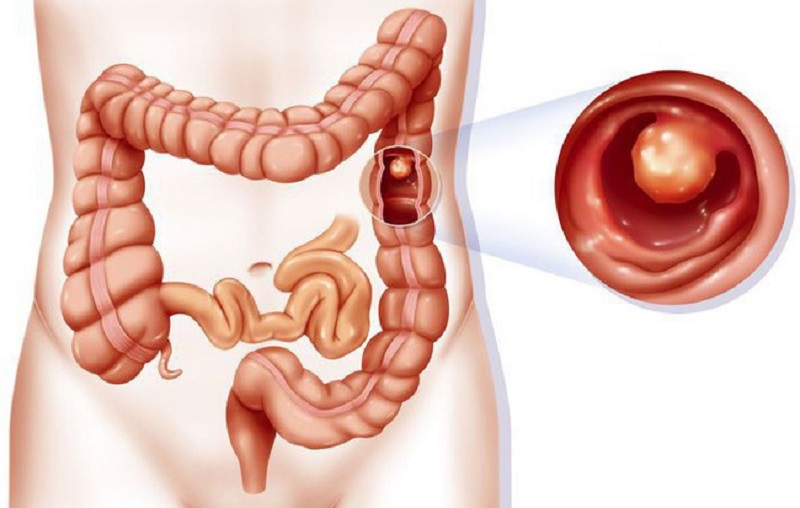
1. Persistent Changes in Bowel Habits
One of the earliest and most common signs is a noticeable change in bowel habits that lasts longer than a few weeks.
This may include:
-
Ongoing diarrhea
-
Constipation
-
Alternating between diarrhea and constipation
-
Narrow or pencil-thin stools
While occasional digestive irregularity is common, persistent changes without a clear cause warrant medical attention. These changes may occur because a tumor slightly alters the normal passage of stool through the colon.
2. Blood in the Stool
Blood in the stool is a warning sign that should never be ignored. It may appear as:
-
Bright red blood on toilet paper
-
Dark or maroon-colored stool
-
Black, tarry stool
-
Occult (hidden) blood detected through testing
In early-stage colon cancer, bleeding may be mild and intermittent. Some individuals mistakenly attribute blood to hemorrhoids. While hemorrhoids are common, unexplained bleeding should always be evaluated by a healthcare professional.
3. Unexplained Abdominal Discomfort
Early tumors may cause subtle abdominal symptoms, including:
-
Cramping
-
Bloating
-
Mild abdominal pain
-
A feeling of fullness
These symptoms are often vague and intermittent. Because they overlap with common gastrointestinal issues, they may be dismissed. However, persistent or unexplained discomfort that does not improve over time should be investigated.
4. A Feeling of Incomplete Bowel Emptying
Some individuals with early colon cancer report a persistent sensation that the bowel does not fully empty after a movement.
This may include:
-
The urge to return to the bathroom shortly after a bowel movement
-
A feeling of pressure in the rectal area
-
Ongoing discomfort despite passing stool
This sensation may occur if a tumor partially obstructs the colon or affects normal bowel function.

5. Unexplained Fatigue
Chronic fatigue can be an early sign of many conditions, including colon cancer. Slow, unnoticed bleeding from the colon can lead to iron-deficiency anemia.
Symptoms of anemia may include:
-
Persistent tiredness
-
Weakness
-
Pale skin
-
Shortness of breath with minimal exertion
Because bleeding in early-stage colon cancer may be microscopic, fatigue may be the first noticeable symptom.
6. Unintentional Weight Loss
While more common in later stages, some individuals with stage 1 colon cancer may experience unexplained weight loss.
This occurs because cancer can alter metabolism and appetite. Any unintentional weight loss without dietary or activity changes should prompt medical evaluation.
Why Early Symptoms Are Often Missed
Stage 1 colon cancer symptoms are frequently subtle. Many people attribute changes to:
-
Diet
-
Stress
-
Irritable bowel syndrome (IBS)
-
Minor infections
-
Hemorrhoids
Because symptoms can be mild and intermittent, medical care is sometimes delayed.
Routine screening is especially important because colon cancer can develop without noticeable symptoms in early stages.
Who Is at Higher Risk?
Certain factors increase the likelihood of colon cancer:
-
Age over 45
-
Family history of colorectal cancer
-
Personal history of polyps
-
Inflammatory bowel disease
-
Obesity
-
Smoking
-
High consumption of processed or red meat
-
Sedentary lifestyle
Individuals with these risk factors should prioritize screening even if no symptoms are present.
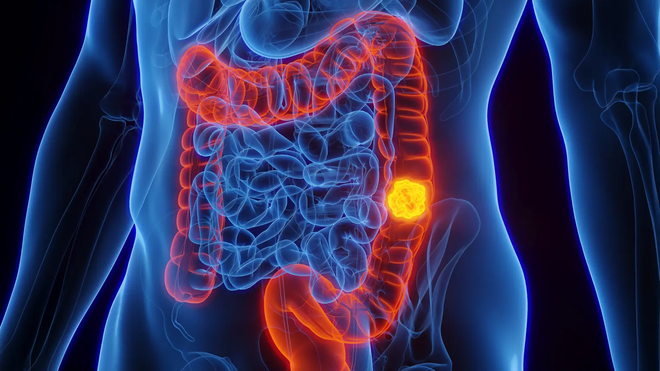
When to See a Doctor
You should seek medical evaluation if you experience:
-
Persistent bowel habit changes lasting more than 2–3 weeks
-
Blood in stool
-
Ongoing abdominal discomfort
-
Unexplained fatigue
-
Unintentional weight loss
Diagnostic tools may include:
-
Stool tests
-
Blood tests
-
Colonoscopy
-
Imaging studies
Colonoscopy remains the most effective method for detecting early colon cancer and precancerous polyps.
The Importance of Screening
Colon cancer is highly treatable when detected early. Stage 1 colon cancer has a high survival rate when managed promptly.
Medical guidelines commonly recommend:
-
Routine screening beginning at age 45 for average-risk individuals
-
Earlier screening for those with family history or risk factors
Preventive colonoscopy can detect and remove polyps before they become cancerous.
Final Thoughts
Stage 1 colon cancer may not cause dramatic symptoms, but subtle warning signs often appear. Persistent bowel changes, blood in stool, abdominal discomfort, fatigue, and unexplained weight loss should not be dismissed.
Early awareness and routine screening save lives. Paying attention to your body and seeking medical evaluation when changes occur can make a significant difference in outcomes.
When it comes to colon health, early action is one of the most powerful tools for prevention and treatment.