6 Signs of Stage 1 Colon Cancer That Should Not Be Ignored
Colon cancer is one of the most common cancers worldwide. The good news is that when detected in Stage 1, it is highly treatable. The challenge, however, lies in the fact that early-stage colon cancer often produces subtle or mild symptoms that many people overlook.
Stage 1 colon cancer means the tumor has grown into the inner layers of the colon wall but has not yet spread to lymph nodes or distant organs. Recognizing early warning signs can dramatically improve outcomes.
Below are six important symptoms that should never be ignored.


1. Changes in Bowel Habits
One of the earliest signs of colon cancer is a noticeable change in bowel patterns.
This may include:
-
Persistent diarrhea
-
Ongoing constipation
-
Alternating between diarrhea and constipation
-
Narrow or pencil-thin stools
While temporary changes can occur due to diet or stress, bowel habit changes lasting more than two weeks should be evaluated.
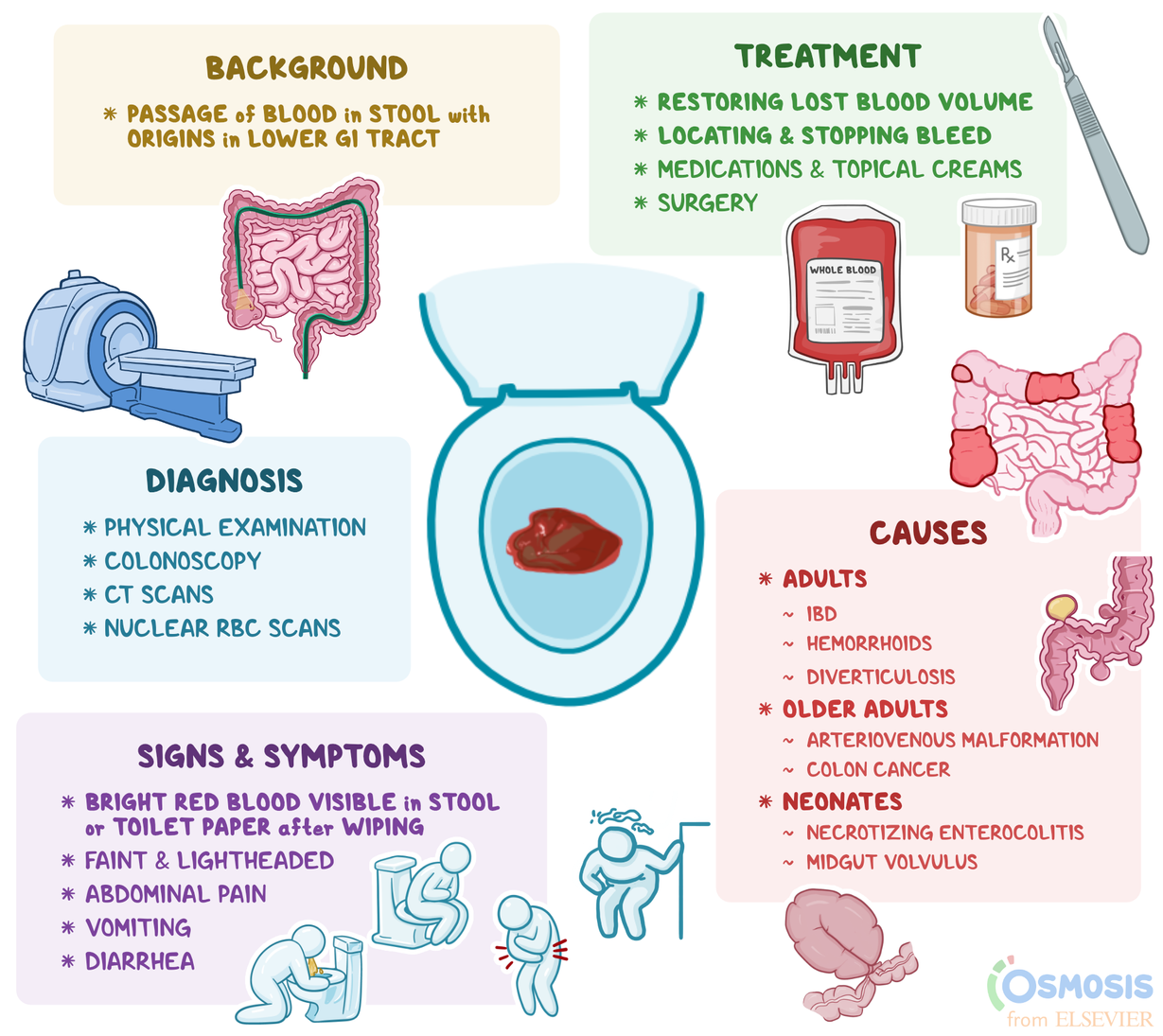
2. Blood in the Stool
Blood in stool is a critical warning sign.
It may appear as:
-
Bright red blood
-
Dark, tar-like stools
-
Blood mixed within the stool
In early stages, bleeding may be minimal and only detected through laboratory testing (fecal occult blood test). Because hemorrhoids can also cause bleeding, many individuals dismiss this symptom. However, any unexplained rectal bleeding warrants medical assessment.


3. Persistent Abdominal Discomfort
Early colon tumors can irritate the bowel lining, leading to:
-
Cramping
-
Gas pain
-
Bloating
-
A feeling of fullness
This discomfort may be mild but persistent. Unlike typical digestive upset, the sensation does not fully resolve.
4. A Feeling of Incomplete Bowel Emptying
Some individuals experience the constant urge to have a bowel movement, even after just going to the restroom.
This sensation, called tenesmus, may feel like:
-
Incomplete evacuation
-
Persistent rectal pressure
-
Ongoing urge without significant stool passage
Such symptoms should not be ignored if they persist.


5. Unexplained Fatigue
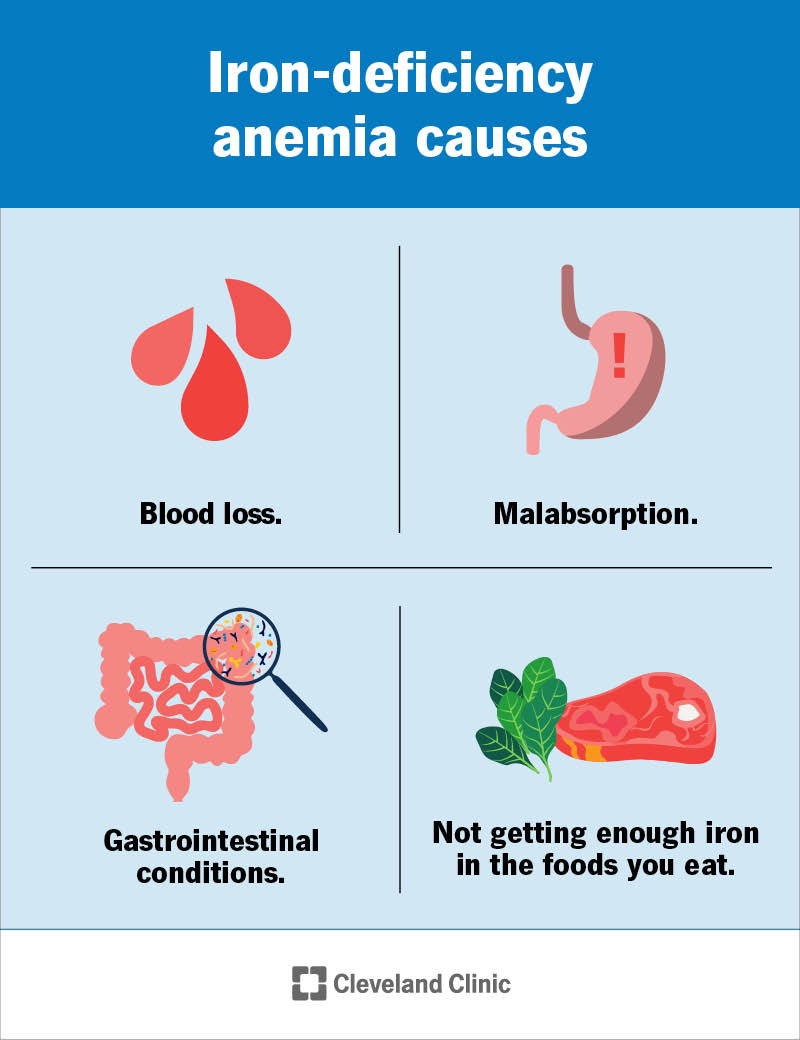
Slow, chronic bleeding from early-stage colon cancer can lead to iron deficiency anemia.
Symptoms of anemia may include:
-
Fatigue
-
Weakness
-
Shortness of breath
-
Pale skin
Because fatigue is common in daily life, many overlook it as a potential warning sign. However, persistent unexplained tiredness deserves investigation.
6. Unintentional Weight Loss
Although more common in later stages, some individuals with Stage 1 colon cancer may experience unexplained weight loss due to subtle metabolic changes or appetite reduction.
Any unintended weight loss without changes in diet or exercise should be evaluated.
Who Is at Higher Risk?
Certain factors increase the likelihood of colon cancer:
-
Age over 45
-
Family history of colorectal cancer
-
Inflammatory bowel disease
-
Diet high in processed meats
-
Sedentary lifestyle
-
Obesity
Screening is especially important for those with risk factors.
Why Early Detection Matters
When colon cancer is diagnosed at Stage 1:
-
Survival rates are significantly higher
-
Treatment may require less aggressive therapy
-
Surgery alone is often sufficient
Routine screening through colonoscopy can detect precancerous polyps before they become malignant.
When to Seek Medical Attention
Consult a healthcare provider if you notice:
-
Persistent changes in bowel habits
-
Blood in stool
-
Ongoing abdominal discomfort
-
Unexplained fatigue
-
Unintentional weight loss
Do not wait for severe pain. Early-stage colon cancer often progresses quietly.
Final Thoughts
Stage 1 colon cancer may not cause dramatic symptoms, but subtle changes in bowel function, bleeding, and unexplained fatigue can be early warning signs.
The six symptoms to remember:
-
Changes in bowel habits
-
Blood in stool
-
Persistent abdominal discomfort
-
Feeling of incomplete emptying
-
Unexplained fatigue
-
Unintentional weight loss
Early recognition and timely screening save lives. Awareness is the most powerful tool in prevention and early treatment.