6 Silent Symptoms Warning of Gallbladder Cancer
Gallbladder cancer is rare—but it is also one of the most difficult cancers to detect early. The reason is simple: its early symptoms are often mild, vague, or completely silent. Many people attribute the warning signs to common digestive problems, gallstones, or temporary stomach discomfort.
Because early-stage gallbladder cancer may not cause severe pain, awareness becomes critically important. Recognizing subtle, persistent symptoms can lead to earlier diagnosis and significantly improve outcomes.


Understanding the Gallbladder
The gallbladder is a small, pear-shaped organ located beneath the liver. Its primary function is to store bile—a digestive fluid that helps break down fats. When cancer develops in this organ, it often grows quietly without obvious early disruption of digestion.
Below are six silent warning signs that should not be ignored.
1. Persistent Upper Right Abdominal Pain
One of the earliest and most overlooked symptoms is a dull ache or discomfort in the upper right side of the abdomen.
This pain may:
-
Feel mild but constant
-
Come and go over weeks
-
Radiate to the back or right shoulder
Because gallstones produce similar discomfort, many individuals dismiss this pain as a common gallbladder issue. However, persistent pain that does not resolve warrants medical evaluation.


2. Unexplained Nausea and Bloating
Digestive symptoms are common in gallbladder disorders. Watch for:
-
Chronic nausea
-
Frequent bloating after meals
-
Feeling full quickly
-
Indigestion that persists
While occasional digestive upset is normal, ongoing symptoms—especially when combined with other warning signs—require attention.
3. Jaundice (Yellowing of Skin and Eyes)
Jaundice occurs when bile ducts become blocked, preventing bile from draining properly. This leads to a buildup of bilirubin in the bloodstream.
Warning signs include:
-
Yellowing of the skin
-
Yellowing of the whites of the eyes
-
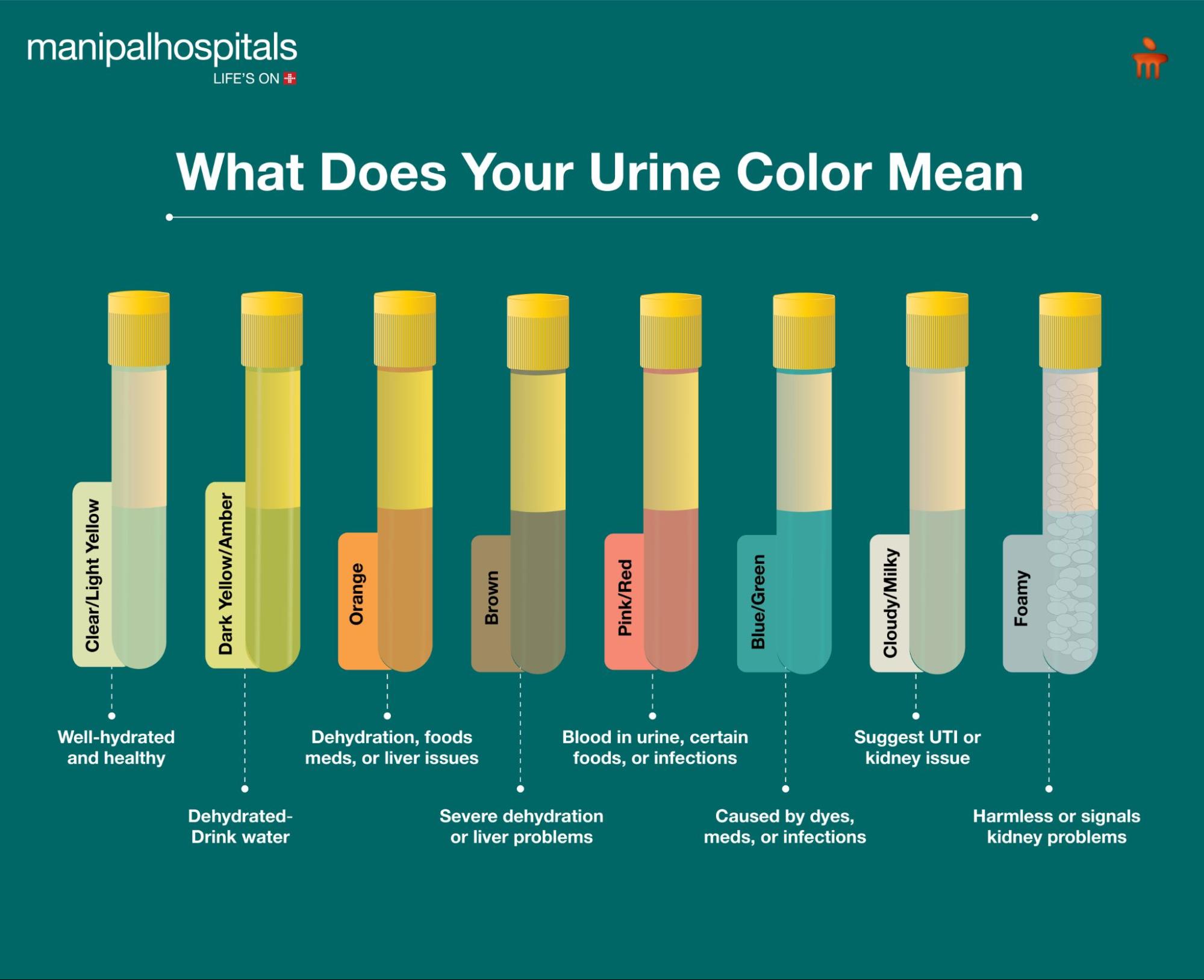
Dark urine
-
Pale or clay-colored stools
Jaundice often indicates that the condition has progressed and requires urgent medical care.


4. Unexplained Weight Loss
Sudden, unintended weight loss without dietary changes can signal underlying malignancy.
In gallbladder cancer, weight loss may occur due to:
-
Loss of appetite
-
Impaired digestion
-
Increased metabolic demand from tumor growth
Any unexplained weight reduction over a short period should be medically evaluated.
5. Abdominal Swelling or Lump
As the disease advances, fluid may accumulate in the abdomen (ascites), or the gallbladder itself may enlarge.
Possible signs include:
-
Visible abdominal swelling
-
A palpable mass under the right ribcage
-
Persistent abdominal pressure
These findings typically suggest more advanced disease and require immediate assessment.


6. Fever Without Clear Cause
Low-grade, persistent fever—especially when accompanied by abdominal discomfort—may indicate inflammation or bile duct obstruction.
Although fever alone does not confirm cancer, unexplained or recurring fevers should not be dismissed.
Who Is at Higher Risk?
Certain individuals face increased risk, including:
-
Those with chronic gallstones
-
Individuals with long-term gallbladder inflammation
-
Women (risk is slightly higher)
-
Adults over age 60
-
Those with a family history of biliary cancers
Gallstones are strongly associated with gallbladder cancer, although most people with gallstones do not develop cancer.
Why Early Detection Is Challenging
Gallbladder cancer is often diagnosed incidentally—during imaging or surgery for gallstones. Because early symptoms resemble common digestive issues, many cases are detected at advanced stages.
Diagnostic tools may include:
-
Ultrasound
-
CT scan
-
MRI
-
Blood tests
-
Biopsy
Timely imaging when symptoms persist is essential.
When to Seek Medical Attention
Consult a healthcare professional if you experience:
-
Persistent right-sided abdominal pain
-
Yellowing of skin or eyes
-
Ongoing nausea or unexplained weight loss
-
Abdominal swelling
-
Changes in urine or stool color
Early evaluation significantly increases treatment options.
Final Thoughts
Gallbladder cancer often develops quietly. Its symptoms may appear subtle, mild, or easily mistaken for routine digestive issues. However, persistent or unexplained changes in abdominal health should never be ignored.
The six silent warning signs to remember:
-
Persistent upper right abdominal pain
-
Chronic nausea and bloating
-
Jaundice
-
Unexplained weight loss
-
Abdominal swelling or lump
-
Unexplained fever
Listening to subtle signals from the body—and seeking medical guidance promptly—can make a critical difference.
Early awareness remains the strongest defense.