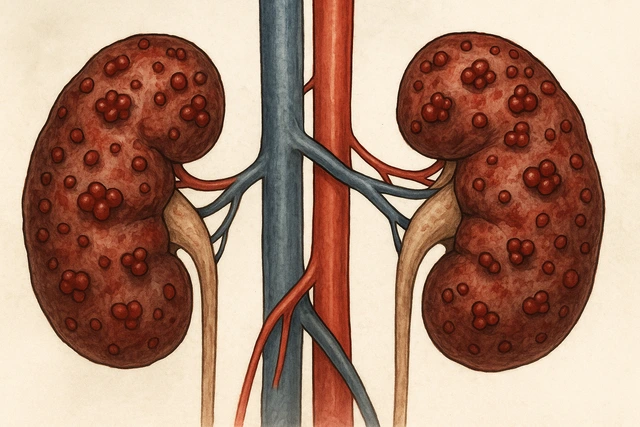
Kidney cancer is often described as a “silent disease” because it can develop quietly for years without causing obvious symptoms. The kidneys sit deep inside the body, and small tumors rarely produce pain or visible changes in the early stages. As a result, many cases are discovered incidentally during imaging tests for unrelated conditions — or worse, only after the disease has progressed.
However, “silent” does not mean symptom-free. The body often sends subtle warning signals long before severe complications arise. These signs are frequently mild, intermittent, or mistaken for common problems such as muscle strain, fatigue, or urinary tract infections.
Understanding these early signals does not mean self-diagnosing. Instead, it encourages timely medical evaluation — which can significantly improve treatment outcomes. Early detection of kidney cancer dramatically increases survival rates and expands treatment options.
Below are seven early warning signs that may indicate something is wrong with the kidneys and should never be dismissed.
-800x450.jpg)
1. Blood in the Urine (Hematuria) — Even If It Happens Once
One of the most common early signs of kidney cancer is blood in the urine, medically known as hematuria. The urine may appear:
-
Pink
-
Red
-
Brown or cola-colored
In some cases, the blood is microscopic and detected only through laboratory testing.
Important characteristics:
-
It may come and go
-
It is often painless
-
It can occur without other symptoms
Because hematuria can also result from infections, kidney stones, or prostate issues, some people delay seeking care. However, even a single unexplained episode should prompt medical evaluation.
Blood in the urine is never “normal” and should always be investigated.
2. Persistent Lower Back or Flank Pain
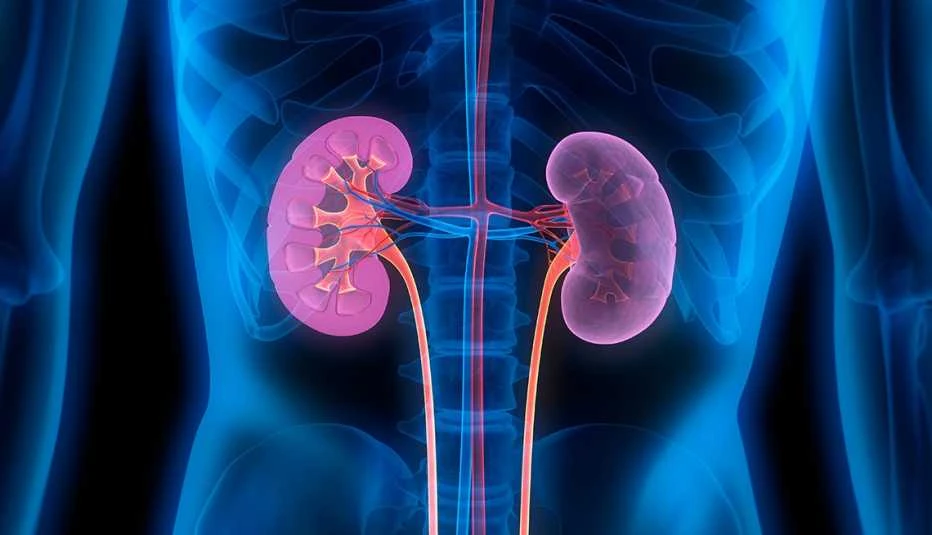
Kidney-related pain typically occurs on one side of the lower back, just below the ribs. Unlike muscle soreness, this discomfort:
-
Feels deep rather than surface-level
-
Does not improve significantly with rest
-
May gradually worsen over time
Because back pain is extremely common, kidney-related discomfort is often misattributed to posture, exercise strain, or aging.
If flank pain persists without clear injury or explanation, imaging studies may be necessary to rule out kidney issues.
3. A Lump or Swelling in the Abdomen or Side
As a tumor grows, it may eventually become large enough to be felt through the abdominal wall. Although this typically occurs in later stages, some individuals notice:
-
A firm mass
-
Unexplained swelling
-
A sensation of fullness on one side
Any new, unexplained abdominal mass warrants immediate medical attention.
4. Unexplained Weight Loss and Loss of Appetite
Sudden weight loss without changes in diet or physical activity can signal systemic illness, including cancer.
Possible signs include:
-
Reduced appetite
-
Feeling full quickly
-
Gradual but unexplained weight reduction
Cancer can alter metabolism and disrupt normal appetite-regulating hormones long before visible tumors are detected.
Unintentional weight loss should never be ignored.
5. Persistent Fatigue and Weakness
Chronic fatigue that does not improve with rest may indicate underlying disease.
Kidney tumors can contribute to:
-
Anemia (low red blood cell levels)
-
Chronic inflammation
-
Hormonal imbalance
These changes can result in constant tiredness, weakness, and reduced stamina.
While fatigue has many causes, persistent unexplained exhaustion deserves evaluation.
6. Recurrent Fever Without Infection
An unexplained low-grade fever that comes and goes without obvious signs of infection may be related to inflammatory responses triggered by tumors.
Characteristics include:
-
Fever without respiratory symptoms
-
No obvious infection
-
Recurrent episodes over weeks
Because the fever may temporarily respond to medication, it is often overlooked.
7. Swelling in the Legs or Ankles
The kidneys regulate fluid balance in the body. When kidney function is impaired, fluid may accumulate, leading to:
-
Swelling in ankles or feet
-
Leg puffiness
-
Tight shoes or socks
Although edema can result from heart or liver conditions as well, unexplained swelling requires medical assessment.
Why Kidney Cancer Is Often Missed
Kidneys are positioned deep within the abdominal cavity, so early tumors rarely cause sharp pain. Additionally, early symptoms overlap with common conditions such as:
-
Urinary tract infections
-
Muscle strain
-
Stress-related fatigue
-
Mild viral illness
Because of this overlap, early warning signs are often dismissed.
Awareness is critical — especially for individuals at higher risk.
Who Is at Higher Risk?
Certain factors increase the likelihood of developing kidney cancer:
-
Smoking
-
High blood pressure
-
Obesity
-
Family history of kidney cancer
-
Chronic kidney disease
-
Long-term use of certain pain medications
-
Occupational exposure to toxic chemicals
Individuals with these risk factors should be particularly attentive to subtle symptoms.
When to See a Doctor
Seek medical evaluation if you experience:
-
Blood in the urine
-
Persistent flank pain
-
Unexplained fatigue or weight loss
-
Recurrent fever
-
Leg swelling without clear cause
Diagnostic tests may include:
-
Urinalysis
-
Blood tests
-
Ultrasound
-
CT scan
-
MRI
Early detection greatly improves treatment success.
How to Reduce the Risk of Kidney Cancer
Although not all cases are preventable, many risk factors are lifestyle-related. Protecting kidney health through long-term habits can significantly reduce risk.
Below are evidence-based prevention strategies.
1. Quit Smoking
Smoking is one of the strongest risk factors for kidney cancer. Harmful chemicals in tobacco enter the bloodstream and are filtered by the kidneys, potentially damaging cells over time.
Stopping smoking reduces risk within a few years and benefits overall health dramatically.
2. Control Blood Pressure
Hypertension damages blood vessels in the kidneys and increases cancer risk.
Prevention steps:
-
Monitor blood pressure regularly
-
Reduce salt intake
-
Exercise consistently
-
Follow prescribed treatments
Healthy blood pressure protects kidney structure.
3. Maintain a Healthy Weight
Obesity contributes to inflammation, insulin resistance, and hormonal changes linked to kidney cancer.
Sustainable weight management through balanced nutrition and regular physical activity significantly lowers risk.
4. Stay Hydrated
Adequate hydration helps dilute toxins and supports efficient kidney filtration.
Drink water consistently throughout the day, especially during heat or exercise.
5. Limit Long-Term Painkiller Use
Frequent use of certain nonsteroidal anti-inflammatory drugs (NSAIDs) may damage kidney tissue.
Use medications only as directed and consult a healthcare provider for chronic pain management.
6. Follow a Kidney-Friendly Diet
Focus on:
-
Fruits and vegetables rich in antioxidants
-
Whole grains
-
Lean proteins
-
Healthy fats
Limit:
-
Processed meats
-
Excess sodium
-
Sugary drinks
-
Excessive animal protein
Balanced nutrition reduces inflammation and supports kidney function.
7. Reduce Exposure to Toxic Chemicals
Certain industrial solvents and heavy metals are associated with kidney cancer.
Use protective equipment if exposed to hazardous materials and follow workplace safety regulations.
8. Manage Chronic Conditions
Proper control of diabetes, hypertension, and chronic kidney disease reduces long-term risk.
Regular medical follow-ups are essential.
9. Exercise Regularly
Physical activity improves circulation, reduces inflammation, and enhances immune function.
Aim for at least 150 minutes of moderate exercise per week.
10. Schedule Routine Health Screenings
Because kidney cancer can develop silently, routine checkups are important — especially for high-risk individuals.
Early detection dramatically improves survival and treatment options.
Final Thoughts
Kidney cancer may be described as silent, but the body often whispers before it screams. Subtle symptoms such as blood in the urine, persistent back pain, unexplained fatigue, or swelling should never be ignored.
Prevention is not about a single dramatic change. It is about consistent daily choices: quitting smoking, maintaining a healthy weight, controlling blood pressure, staying active, and seeking medical evaluation when symptoms arise.
Awareness, combined with proactive lifestyle habits, gives your kidneys the best chance to remain healthy for life.